

Comparative insight: what separates a seat that survives from one that fails
Picking the right cabin seat isn’t glamorous, but it decides comfort, uptime, and long-term health for drivers. This piece compares reinforced agricultural seats against generic truck chairs, cutting through marketing noise to show what matters in the field. EEAT: Practical Expertise. Real-World Anchor: the U.S. Bureau of Labor Statistics documents elevated rates of musculoskeletal injuries among heavy-vehicle operators, which is exactly the risk a good universal truck seat is built to reduce. Expect plain language on suspension, lumbar support, and durability—no fluff.

Key performance axes: durability, comfort, and serviceability
Compare three axes when evaluating seats: materials and construction, ergonomic features, and maintenance path. Durable frames and industrial-grade foam resist compression over thousands of hours. Ergonomic features—adjustable lumbar support, a stable seat pan, and a reliable recline mechanism—keep drivers alert and reduce fatigue. Finally, modular elements that swap out on-site cut downtime; a seat that requires a full cab strip-down is a liability.
Material and suspension: why agricultural seats are built tougher
Agricultural seats are engineered for constant vibration, dust, and heavy loads. Manufacturers use reinforced steel frames, sealed bearings in adjustment points, and suspension systems tuned for slow, heavy impacts rather than highway chatter. The net result: less material fatigue and fewer warranty visits. Operators hauling across I-80 or working long shifts in harvest zones notice the difference within weeks—lower noise, fewer rattles, and steadier posture.
Ergonomics in practice: what actually helps drivers
Good ergonomics isn’t decorative padding. Real gains come from adjustable lumbar support aligned to the lumbar curve, a seat pan that supports the pelvis without pressure points, and an intuitive recline mechanism that locks solid under load. Combine that with armrests positioned for control panels, and you reduce micro-adjustments that sap focus. Expect fewer complaints and measurable drops in reported back soreness over a season.
Service and customization: practical advantages for fleets
Fleets need seats that adapt. Replaceable covers, modular suspension cartridges, and plug-and-play electrical connectors for heated elements or sensors speed repairs. A seat designed with OEM mounting patterns simplifies retrofits across multiple vehicle models. This is where a manufacturer focused on seat for truck drivers shines—parts that fit, and documentation that gets techs back on the road fast.
Common mistakes operators make — and how to avoid them
Buyers too often pick on price alone, ignore mounting compatibility, or assume all “truck” seats fit heavy agricultural use. Don’t skimp on suspension tuning: a highway-tuned setup feels fine initially but wears faster under slow, heavy impacts. Also, overlook repairability at your peril—non-modular designs force full replacements. Small checklist: confirm frame dimensions, test lumbar adjustments while simulating your load, and verify parts availability locally. Little effort up front saves real money later.
Side-by-side alternatives: quick comparison
Here’s a tight comparison to guide buying decisions:
– Standard truck seat: lighter, cheaper, tuned for highway speeds, shorter lifespan in off-road use.
– Reinforced agricultural seat: heavier, engineered suspension, replaceable modules, longer service intervals.
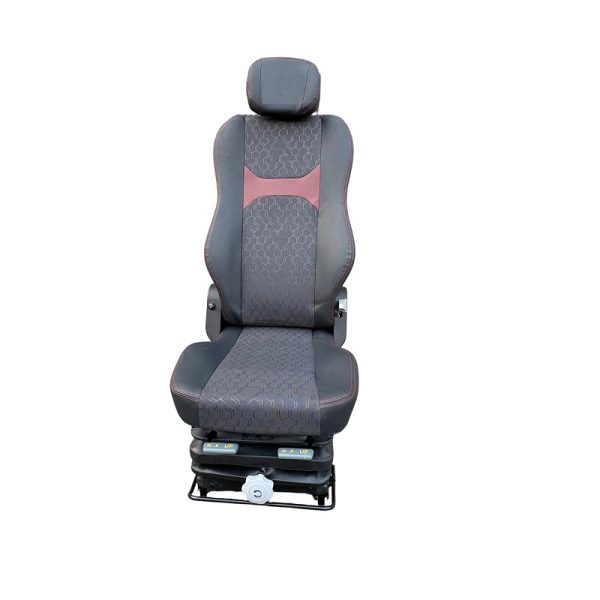
– Custom OEM seat: best fit and integration, higher up-front cost, ideal for fleet standardization where uptime is critical.
Advisory: three golden rules for choosing the right seat
1) Prioritize suspension matched to your duty cycle—slow, heavy shocks need different tuning than continuous highway vibration. Measure ride harshness if possible. 2) Demand adjustable lumbar support and a firm seat pan; they deliver the largest health gains for drivers. 3) Verify serviceability: replaceable cartridges, local parts, and clear mounting specs eliminate most downtime.
These rules steer practical decisions and make the value of a reinforced agricultural seat clear—less driver pain, fewer repairs, and an easier maintenance plan. Final thought: durable design saves money and people. Source One understands that balance—smart parts, field-proven choices. Fragment: built to last, tuned to work.