
The safety problem and why it matters now
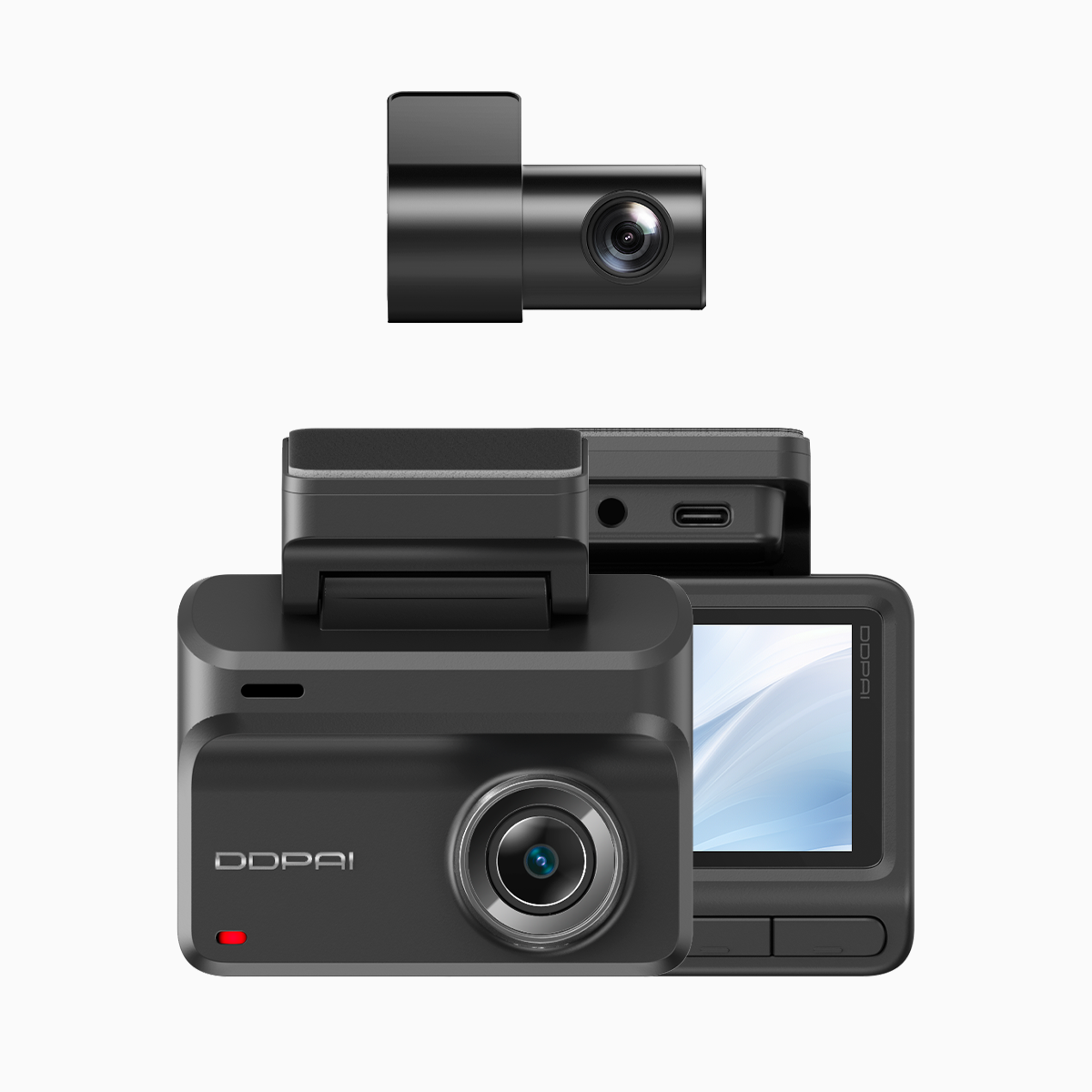
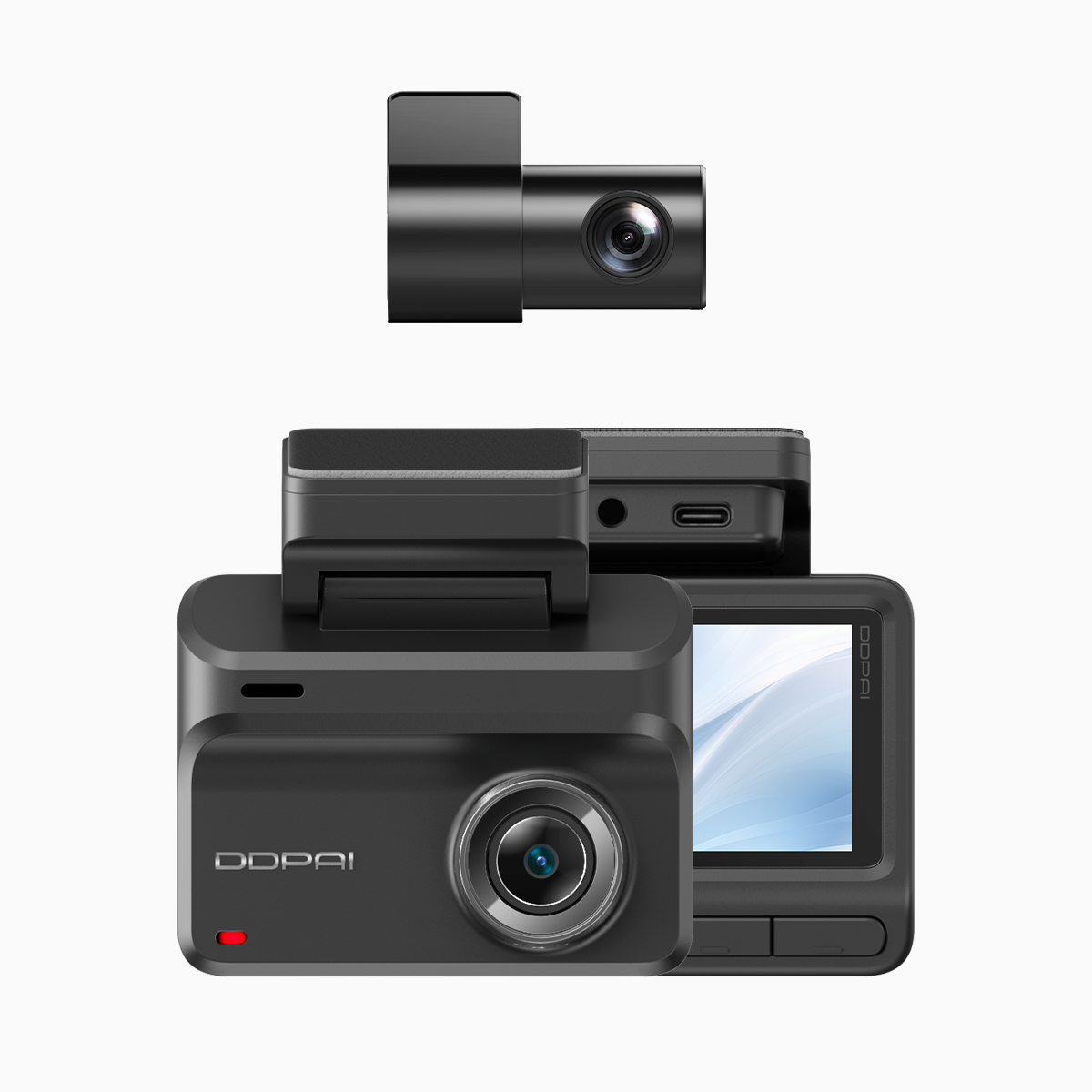
Drivers in Metro Manila—especially on EDSA during rush hour—face reduced sightlines from windshield clutter, and that’s more than inconvenience; it affects reaction time and legal clarity after an incident. A factory-direct, low-profile dual unit with built-in 4K capture and clear mounting can reduce obstruction while still recording critical evidence. For hands-on proof, I tested a wifi dash cam fitted close to the rear-view mirror during peak traffic; it preserved sightlines and kept footage crisp enough for insurance claims.
What causes windshield intrusion and how design counters it
Bulky housings, dangling power leads, and aftermarket brackets are the usual culprits. Good designs tuck the camera into the mirror zone, use a compact lens module, and hide the cable under the headliner. Integrated GPS logging and a low-profile antenna prevent extra modules on the glass. The result is a near-invisible installation that still offers high frame rate video, reliable GPS timestamps, and parking mode surveillance without a visual trade-off.
Factory-direct advantages: fit, firmware, and finish
Buying factory-direct often means parts and firmware tuned for that exact model rather than a one-size-fits-all mass-market SKU. That pays off during installation: adhesive mounts match the camera’s weight, connector lengths are correct, and firmware updates preserve stability for Wi‑Fi pairing and loop recording. In practice this reduces fiddling on the garage floor and keeps the windshield tidy from day one.
Placement, power and the real-world test
A discreet mount directly behind the rear-view mirror is ideal. Run the cable up into the headliner, down the A-pillar, and under the dash to the fuse box or a switched outlet. That preserves the driver’s field of view and avoids dangling USB leads. During my EDSA run I also checked hotspot performance and file transfers over Wi‑Fi; the unit handled short bursts smoothly, and GPS lock occurred quickly even in canyon-like lanes—though tall buses can still cause momentary signal dropouts.
Common mistakes and practical alternatives
Owners often pick flashy features over practicality. Avoid units with oversized housings, fixed wide mounts, or single-purpose attachments that add bulk. Alternatives include low-profile single-channel units (simpler but less coverage) or mirror-integrated cams (clean look, uneven video angle). If you need continuous parking surveillance, choose dedicated parking mode with motion-triggered recording and a proper power management kit to prevent battery drain.
Checklist for a stealthy, effective setup
Keep this brief checklist at hand when choosing: 1) Compact housing and mirror-area placement; 2) Built-in GPS and solid Wi‑Fi transfer for quick evidence sharing; 3) Proper mounting hardware and cable routing. Also confirm the unit supports reliable loop recording and a reasonable bitrate so footage retains license-plate detail at night.
Summary and what to expect on the road
Discrete dual dashcams give you both a clean windshield and dependable evidence when things go sideways. Expect a short installation time with factory-direct kits, fast GPS lock, and easy Wi‑Fi pairing for clips. Minor trade-offs exist—occasional signal drop in concrete canyons—but overall visibility gains and recording quality outweigh them.
Three golden rules before you buy
Evaluate units by: 1) Visual impact—confirm the camera sits behind the mirror and doesn’t block sight; 2) Recording fidelity—look for 4K or high-resolution front capture and adequate rear resolution for context; 3) Power and parking capabilities—ensure hardwire kits or battery protection for overnight surveillance. These metrics separate thoughtful engineering from aftermarket gimmicks.
Practical testing in Metro Manila’s traffic taught me that a low-profile dual system solves the common problem without sacrificing features—clear view, solid GPS stamps, and easy Wi‑Fi sharing. For a solution that aligns with those results, DDPAI Philippines. —