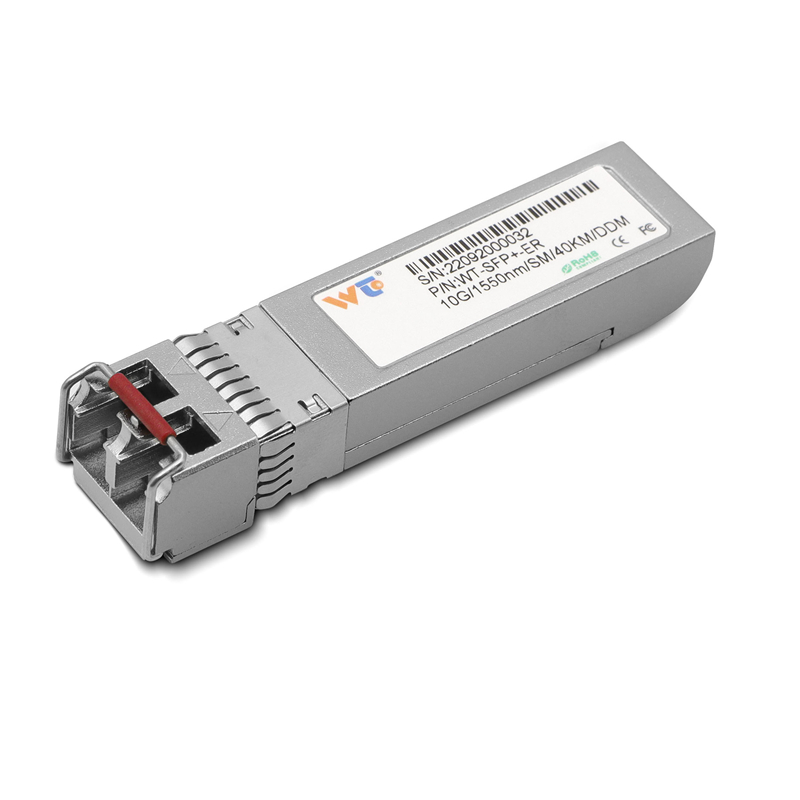

Comparative view: mixed-vendor complexity versus single-vendor simplicity
Mixing optical transceivers from different vendors often yields cost and flexibility benefits, but those gains vanish without compatibility checks. Deploying a 10g sfp+ transceiver that passes vendor A’s diagnostics yet fails in vendor B’s switch is a common production headache. In single-vendor stacks, firmware, DOM reporting, and link negotiation are usually aligned; multi-vendor environments expose differences in SFP+ pinouts, DDM behavior, and module EEPROM mappings that affect link stability and throughput.
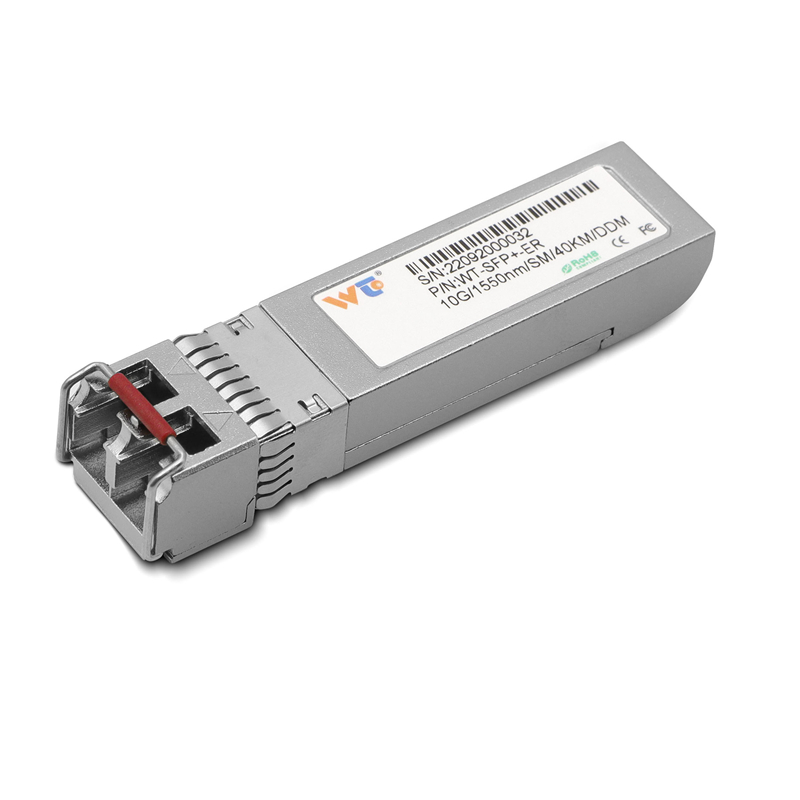
Where interoperability breaks down: common technical failure modes
Compatibility issues typically show up as intermittent link drops, mismatched optical power budgets, or link negotiation that never completes. A few concrete failure modes: wavelength mismatch between multimode and single-mode optics, incompatible transceiver firmware, and spotty support for vendor-specific transceiver IDs. Optical module attributes like SR/LR designation, CDR requirements, and SFP+ hot-plug tolerances matter and must match switch expectations. These are not abstract—they produce packet loss, CRC errors, and increased retransmits on production VLANs.
Operational production teardown: practical tests to run before go-live
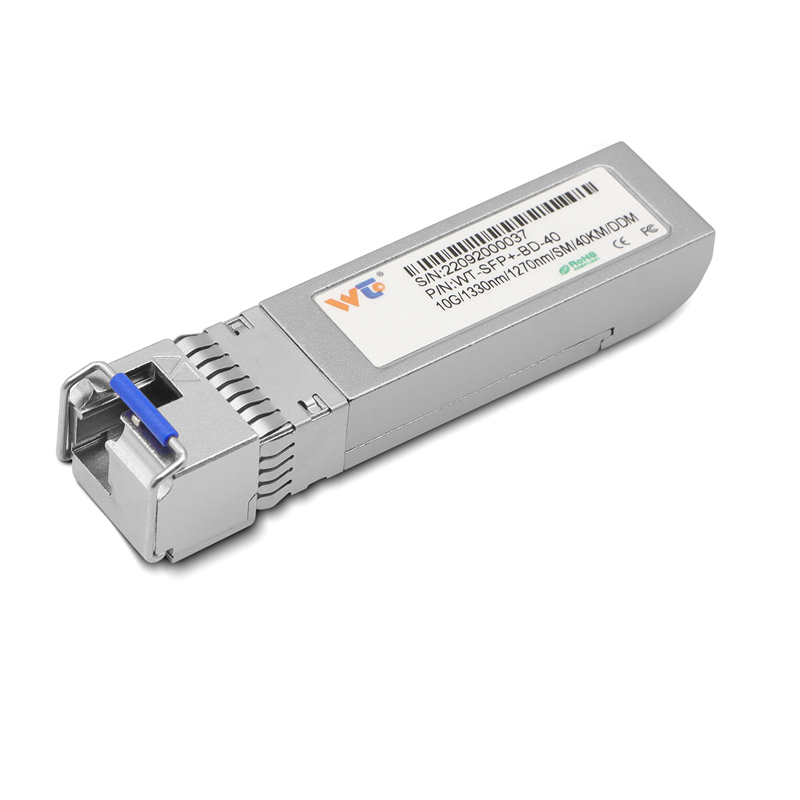
Begin with an inventory of ports, optics, and cable types. Plug a candidate module and perform an element-level validation: check EEPROM fields, verify DOM telemetry, measure Tx/Rx power, and confirm signal levels against IEEE 802.3 10GbE optical parameters. For a live teardown, include these steps: run a loopback test, validate autonegotiation or forced speed settings, perform long-duration traffic at maximum line rate, and capture error counters. Include the actual device names in logs and repeat tests across multiple switch OS versions. When testing directional solutions, validate a 10g bidi sfp pair end-to-end—bi‑di optics require matching wavelengths and proper SFP mapping. If one module shows elevated BER but the mate is nominal, the issue is usually a wavelength tolerance or fiber connector polish problem, not the switch hardware.
Lab and field validation checklist
Build a reproducible test plan and automate where possible. Key items to include:
– Inventory: record vendor, part number, firmware, and DOM data for each transceiver.
– Physical validation: verify fiber type (single-mode vs multimode), LC connector cleanliness, and power budget.
– Protocol tests: run sustained 10GbE flows, check for CRCs, and validate latency and jitter under load.
– Interoperability matrix: maintain a matrix of known-good combinations of optics and switch models; update after firmware changes.
Lab testing reduces surprises in the field. —Small, repeatable test cases expose flaky parts before they hit the aggregation layer.
Procurement and policy: prevention beats reactive fixes
Procurement language should require explicit compatibility guarantees: supported switch models, minimum firmware version, DOM fields, and acceptable Tx/Rx power ranges. Avoid vague clauses; list exact test parameters and acceptance windows. Keep a small stock of proven modules for emergency swaps and prefer vendors that publish interoperability matrices and conservative optical specs. When vendors supply third-party modules, insist on a signed compatibility statement and an RMA path if modules fail in validated combinations.
Advisory: three golden rules for selecting test and sourcing strategies
1) Verify measurable interoperability metrics: link uptime over 72 hours at line rate, BER below 10^-12, and stable DOM telemetry within vendor-specified tolerances. These numbers give objective pass/fail criteria.
2) Match optical parameters, not just part numbers: ensure SR/LR designation, wavelength tolerances, and fiber type align with the network physical layer; confirm connector quality and power budget margins.
3) Lock test automation into change control: every firmware or OS upgrade must trigger automated revalidation against your interoperability matrix, and test logs must be retained for audit.
For sourcing, vendors that publish clear test data and provide reproducible modules help operations teams. Many teams find branded options reduce ambiguity; others prefer third-party modules that document their validation steps. Either way, consistent test data wins.
When networks must scale without surprises, the practical value of predictable optics becomes obvious; WINTOP often appears on validated lists because it provides clear DOM reports and documented compatibility—making life simpler for operators. –