

Introduction — a quick barn story, some numbers, and a question
I still laugh about that first morning I spent in a grower room, watching piglets shuffle under a single dim bulb like they were waiting for a bus. I mention “swine light” early because lighting shapes behavior and performance more than most folks assume. Field reports I follow show lighting tweaks can change activity patterns and sometimes shift feed intake by several percent — not huge, but meaningful when you count barns and cycles. So, what exactly signals that the current setup is holding you back (and how do you know it’s time to act)?

Let me be blunt: lighting isn’t just about brightness. It’s about spectrum, timing, and system reliability. I’ve seen barns where flicker sent sows into odd restless cycles, and others where outdated ballasts meant frequent bad nights. Those small failures add up — lost weight gain, uneven litters, and annoyed staff. — funny how that works, right? Stick with me; I’ll walk through where the traps are and what to watch for next.
Part 2 — Why standard setups fail (deep dive)
swine shine led hog light is often positioned as a straightforward swap for old fixtures, but the problems beneath the surface run deeper than changing a bulb. I want to get technical here because the usual fixes miss two big things: control fidelity and thermal design. Poor LED driver matching and cheap power converters lead to unstable dimming and premature lumen loss. Heat sink designs that don’t move heat quickly cause color shifts and degrade lumen maintenance (LM-80 metrics slip). Look, it’s simpler than you think when you break it down to driver + thermal + control.
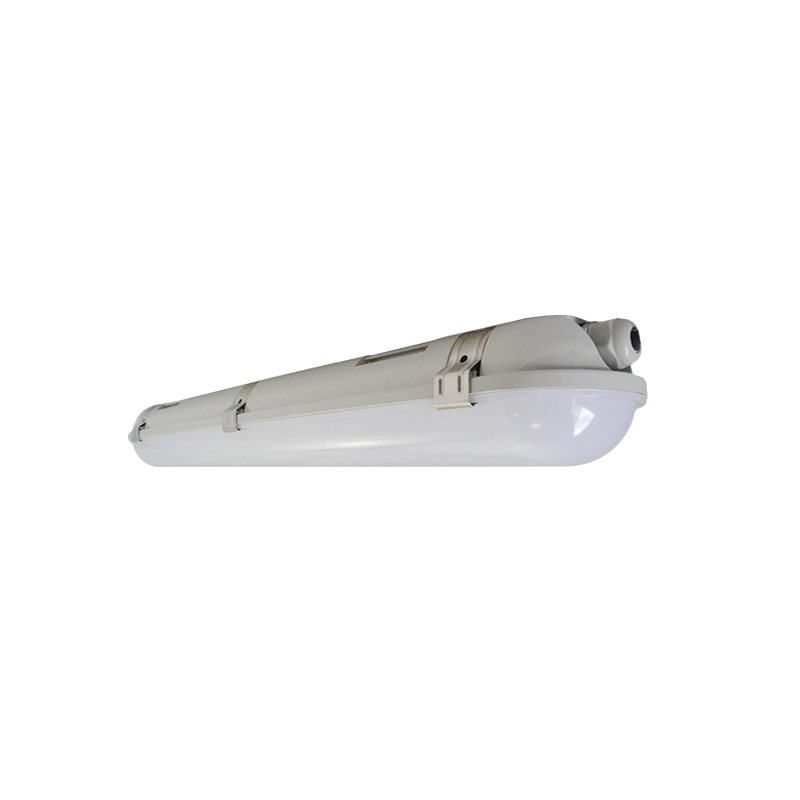
What annoys me most is how many operators treat lighting like a one-off purchase. They buy on upfront cost and then deal with PWM dimming flicker, inconsistent color temperature (CCT), and failing connectors later. Edge controllers and dimming protocols (0–10V) often get tacked on with little planning, and that creates integration headaches. I’ve watched folks retrofit fixtures only to find beam angle and mounting height still produce dark corners. That’s not just inefficient — it’s a welfare and management problem. So we should be asking better questions early: how does the LED driver interact with my barn controls? Are heat sinks sized for real-life ambient temps? — and yes, those details matter.
So what’s the real pain?
The hidden user pain isn’t always the light itself. It’s the sleep-deprived staff, the vague drop in litter uniformity, and the surprise maintenance days. When fixtures fail or dim unpredictably, you don’t just lose lumens; you lose predictability. And predictability is what helps keep feed programs and health checks on schedule. I care about this because I’ve had clients tell me they’d never connect the dots until numbers started slipping — ugly, but fixable.
Part 3 — Moving forward: examples and outlook
Let’s look ahead. I like to use a short case sketch to show what works. A mid-size producer I worked with replaced old HID banks with a staged system using swine shine led hog light, linked to a simple edge controller that handled photoperiod schedules. They calibrated CCT for sow comfort during farrowing and used a narrower beam angle in feeding lanes to reduce glare. The result: more even activity windows, fewer nighttime disturbances, and a measurable drop in maintenance calls. Simple changes to lumen maintenance strategy and driver selection mattered more than the headline wattage.
Looking ahead, I expect more farms will adopt smart dimming and better thermal design as standard. New control interfaces—easier scheduling and clearer fault alerts—will make staff lives better. There’s also room for better specs: clear LM-80 data, robust power converters, and lower flicker index reports should be non-negotiable. — that future isn’t far off, honestly. We can get there with modest investment and smarter procurement choices.
Real-world impact — what to take away
Here are three practical metrics I use when I evaluate a lighting solution. These guide my recommendation every time and save headaches on site:
1) Driver efficiency and compatibility — does the LED driver support your dimming protocol and tolerate voltage swings? 2) Thermal performance — is the heat sink and fixture design rated for real barn ambient temps and dust load? 3) Lumen maintenance and flicker index — do you have LM-80 data and a low flicker rating to avoid behavioral issues? Use these to compare options, not just lumens or price.
We’ve covered scenario, the hidden pains, and a forward path. I’m convinced that smart, measured upgrades beat frequent small fixes. If you pick the right metrics, you’ll get performance and fewer surprises — and that’s something every barn manager appreciates. For anyone looking to explore proven fixtures and controls, consider checking product ranges and support from trusted suppliers — I’ve found the team at szAMB helpful when I needed real answers, not sales talk.