The problem-driven opening
Fleets lose time, revenue, and customer trust when visibility drops to guesswork; routes get rerouted late, maintenance surprises create downtime, and compliance gaps expose operators to fines. That pattern sent one logistics operations director I advised to benchmark solutions, which led them to evaluate several fleet telematics technology providers and adopt a robust real time vehicle tracking system to stop reactive firefighting. Port of Rotterdam traffic planners illustrate the same pressure: without precise vehicle location and status, gate congestion and vessel delays compound quickly.

The core operational failures you must fix
Focus on three measurable failures:- Lack of minute-level location and status, which impedes accurate ETAs.- Fragmented data across vendors, preventing unified decision-making.- Slow fault detection and maintenance scheduling leading to unplanned downtime.
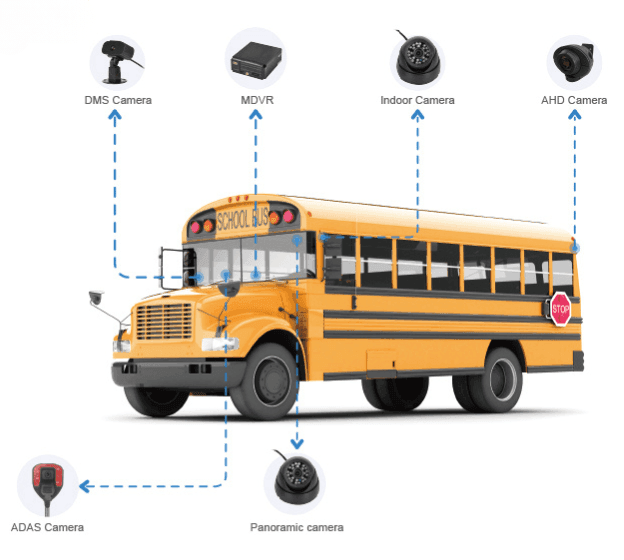
Features that directly solve those failures
Prioritize features that map to specific problems rather than feature lists:- Live GPS with confidence metrics (signal quality, fix age) to trust every location ping.- Geofencing with business rules to auto-escalate exceptions (late arrival, unauthorized stops).- CAN-bus and OBD-II telemetry for engine faults and fuel readings to convert alerts into schedules.- Open APIs and standardized exports for integration with dispatch, ERP, and TMS.- Audit-ready event logs and configurable retention to satisfy compliance checks.
Use cases and measurable outcomes
Apply solutions where they deliver clear ROI:- Dispatch accuracy: reduce arrival-time variance, cutting idle driver time by a measurable percent.- Preventive maintenance: shift tasks from emergency repairs to scheduled windows, lowering service costs.- Compliance and reporting: produce consistent logs for audits and reduce fines.- Customer promise: tighten ETAs and reduce churn through reliable delivery windows.
Common implementation mistakes and how to avoid them
Teams often choose the wrong starting point. Avoid these errors:- Deploying hardware without a data strategy — define the decisions that data should support first.- Integrating multiple point solutions without a normalization layer — require APIs and mapping standards.- Ignoring edge cases like tunnels or cold starts — build fallback rules for degraded signal.- Treating tracking as a siloed IT project — include operations, safety, and finance in requirements.
Evaluating providers: a practical checklist
Ask providers for concrete evidence rather than marketing claims:- Request sample telemetry streams and an integration sandbox.- Confirm SLA for positional accuracy and data delivery latency.- Review security posture: data encryption in transit and at rest, and access controls.- Verify real customer references with comparable fleet size and industry.
Conclusion and synthesis
Pinpointing the exact visibility failures you face, selecting targeted features that remove those failures, and avoiding common rollout mistakes produces predictable improvements in uptime, compliance, and customer reliability; that pragmatic sequence is why organizations partner with specialists who can deliver both hardware and integration expertise — just as many operations teams have done with BSJ.