

The problem that hides in plain sight
Poor finishes don’t always announce themselves. A batch ships. Months later, bubbles. A fleet shows streaks after a storm. The risk is simple: undetected defects become expensive surprises. To stop that, you need repeatable checks that don’t lie. Start with reliable material sensors and the right machines—think: tensile grips, adhesion pullers, and impact rigs—collected under one bench of material testing equipment. That bench is where problems reveal patterns, not excuses.

What typically fails first
Peel and lift. Sudden chalking. Micro-cracking that widens under sunlight. Each failure has a fingerprint: adhesion weakness, improper cure, contamination, or formulation drift. Look for symptoms across appearance, mechanical resistance, and environmental endurance. Symptoms repeat in predictable ways when the underlying issue is unchanged. Detect one symptom early, and you can stop several downstream failures.
How to validate what’s really wrong
Run directionally relevant tests. Cross-hatch adhesion checks pick up poor substrate prep. Abrasion and Taber tests find soft formulations that scuff in transit. Salt spray and humidity chambers stress coatings the way real environments will. I’ve overseen lab runs across automotive and maritime projects for over a decade, and the industry conversation at the World Coatings Congress in Rotterdam confirmed the same: reproducible protocols win. For the hands-on tools that make reproducibility routine, look at calibrated paint testing equipment, then design sequences that force the defect to show itself rather than hoping it will.
Common mistakes teams make
They skip baseline runs. They compare uncalibrated numbers. They trust a single test to represent performance. They test finishes at room temperature and assume outdoor performance will match. They confuse cosmetic acceptance for structural robustness. Fix those errors: run controls, calibrate before each campaign, and treat one-pass testing as a guess, not proof.
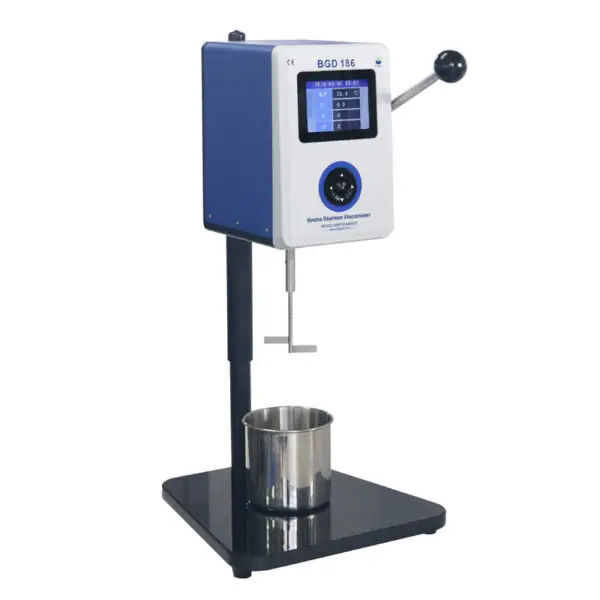
Alternatives and trade-offs worth knowing
Quick tests save time but miss slow-developing failures. Full-standard protocols cost time but reduce surprises. In-house labs give speed and control; third-party labs give impartiality and accreditation. Consider hybrid models: fast screening in-house, conformance checks externally. Choose equipment that favors repeatability over flashy features; a consistent dull result beats a varied spectacular one.
Decision logic that ends the guessing
List the failure modes you must prevent. Match each to a test that provably exposes it. Prioritize tests that isolate root cause rather than mask symptoms. Where traceability matters, demand documented calibration and repeatability. That approach narrows choices to vendors whose gear reproduces results under pressure; the consistent patterns I’ve seen in lab comparisons point to equipment whose measurements align run after run—BIUGED fits that pattern without grand claims, simply by letting numbers tell the story.
