

Introduction — a small wake, a loud problem
I remember the first time I took a friend out on my dinghy and the engine felt like it was arguing with the sea. We both winced at the vibration — it was personal. Recent surveys suggest many boaters name noise and maintenance as their top two frustrations; meanwhile, manufacturers keep promising smoother rides. The idea of an electric motor feels like a calm answer: less smell, less oil, cleaner lines (and yes, fewer late-night repairs). But can that quiet power really fix the root problems that make boating frustrating for everyday users? I want to look at the facts, the numbers, and the little annoyances we all accept — and see if they can be solved.
I’ll walk through what actually goes wrong, not just what the brochures show. Expect plain talk about torque, RPM, and efficiency — simple terms, useful meaning. Then we’ll move into what’s missing from current solutions and what might come next. Ready to dig in? Let’s go slowly and be honest about the trade-offs.
Why current solutions fall short: a technical look at electric boat motors
electric boat motors promise quiet runs and lower upkeep, but I’ve found the real trouble lives in details no one likes to advertise. At the physics level, torque ripple and cogging torque create vibration even when an inverter is doing its best job. Stator heating and poor thermal paths reduce continuous power and shorten duty cycles. In short: we replace combustion noise with different mechanical and electrical headaches. Look, it’s simpler than you think — the numbers tell the tale: modest gains in peak power often come with trade-offs in thermal stability and long-term reliability.
To break it down: many designs focus on peak kilowatts without addressing sustained duty. That gives great sprint speed but poor endurance. Then comes user pain — sudden drops in thrust, unexpected trips, or a motor that runs hot after thirty minutes. We forget the boat operator who wants predictable throttle response and minimal service. I’ve watched manufacturers underestimate the role of power converters and control algorithms; they promise seamless control, yet poor tuning leads to audible whine and jerky acceleration. These are not glamorous problems. They are the everyday frustrations that keep people from fully embracing electrification — and I feel that frustration, too.
Where does the noise really come from?
It isn’t only the motor casing. It’s rotor dynamics, the coupling to the propeller shaft, and the mismatch between controller sampling rates and mechanical motion. Combine that with saltwater corrosion and you have a recipe for surprises. — funny how that works, right?
Looking forward: principles and practical steps for better marine electric drives
Now I want to shift from critique to constructive direction. New designs should center on thermal management, control fidelity, and mechanical integration. For example, upgraded cooling paths, rigid rotor-stator alignment, and smarter inverters that predict torque demand can cut noise and extend duty cycles. If we consider the motor and controller as a single system rather than separate boxes, many problems vanish. I’ve seen small teams reduce audible vibration simply by changing the control sampling and adding modest damping — a cheap fix compared with swapping entire drivetrains.
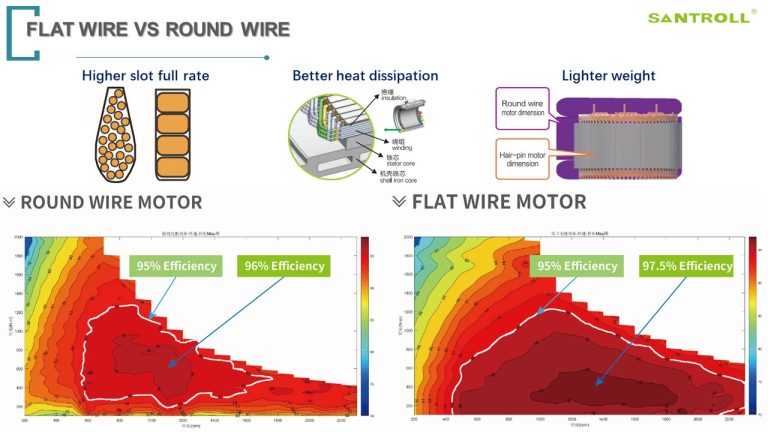
One clear technical path uses the permanent magnet synchronous motor topology with tailored control firmware. That combo improves power density and efficiency, while lowering cogging when tuned correctly. Still, adoption requires real-world testing: salt spray, load curves, and long-duration runs. I’m optimistic — but cautious. We need rigour and field trials, not only lab specs. What’s next is about measured improvements: better torque smoothing, lower thermal rise, and simpler servicing. — and yes, those are measurable outcomes.
What’s Next?
Here are three practical metrics I use when evaluating a marine electric solution: continuous power at rated temperature, mean-time-between-failures (MTBF) under saltwater conditions, and delivered torque smoothness (quantified as torque ripple). If a package scores well on these, it’s worth considering. If not, ask for field data. I believe these measures give you a clear basis to compare products and avoid marketing noise.
To close, I’ll be frank: I want electric boating to be simple and reliable. We can get there by focusing on real-user pain points and solid engineering — not only peak specs. If you’re shopping for systems or planning a retrofit, use those three metrics. They helped me separate hype from substance. For manufacturers and designers, please remember the little things: service access, corrosion resistance, and good control tuning make a bigger difference than a few extra kilowatts. For practical sourcing and further technical options, check what Santroll offers — I’ve followed their work and found useful, field-ready designs: Santroll.