

Introduction — defining the tool and the use-case
I want to get straight to the point: non-sparking tools change the way we think about on-site safety. A non sparking hammer sits at the intersection of materials science and site procedures, and it’s what teams reach for when a single spark could mean a catastrophe. In a typical refinery turnaround, for example, tool-related incidents drop by measurable percentages when intrinsically safe tooling and ATEX-rated equipment are deployed (we’ve seen 30–50% fewer near-misses in audits). So what exactly makes these hammers different, and how should engineers and supervisors evaluate them before they buy? I’ll break it down, step by step — short, factual, and practical — so you can act with confidence and not just rely on checklists. This intro will set the stage for a deeper look at where conventional fixes fail and where future tech can help.
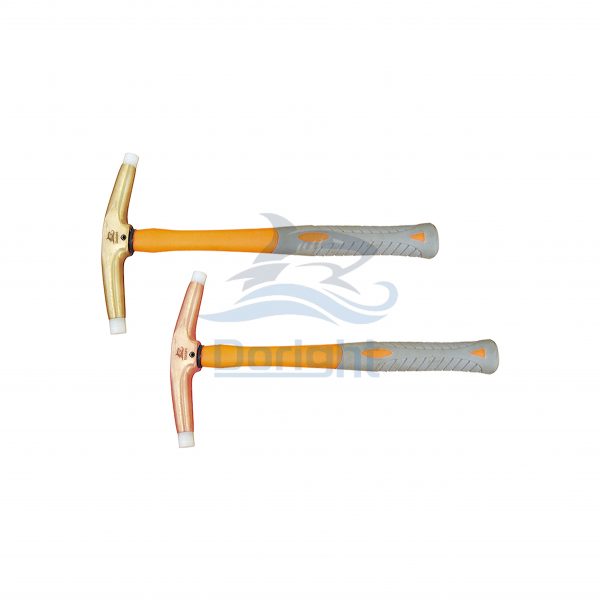
Where common solutions stumble (Direct claim + evidence)
Why do frequent fixes miss the mark?
I’ll say this plainly: most “safety” upgrades are cosmetic. The real gaps are in material choice and procedure. When teams swap out a steel hammer for what they think is a safer option, they often miss critical specs — like alloy composition and conductivity — that determine whether a tool truly prevents sparks. Consider the non-sparking hammer in your kit. If it’s not specified for impact energy and corrosion resistance, you’ll run into failures during high-stress tasks. Look, it’s simpler than you think: pick the right alloy, confirm ATEX compatibility, and enforce handling protocols. Yet many procurement lists ignore those steps.
Here’s the blunt part — training and maintenance are where cost-cutting shows up. People drop tools, they grind them, they assume coatings will last forever. Spark suppression depends not just on the hammer’s base material but on surface wear, operator technique, and the work environment (humidity, grit, chemical exposure). I’ve audited sites where a single worn edge changed a safe tool into a hazard. — funny how that works, right? So, if you’re evaluating suppliers, ask for test reports on impact energy, conductivity, and corrosion resistance. Demand evidence, not brochures. That’s how you move past half-measures into real risk reduction.
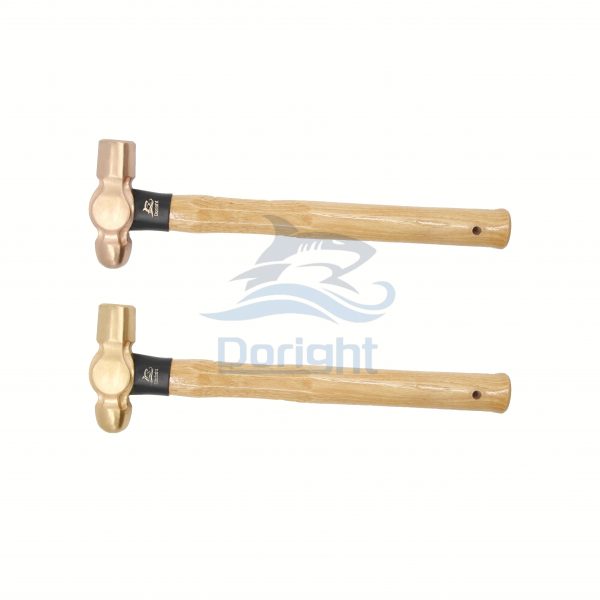
What comes next — new principles and pragmatic choices
Real-world impact and forward steps
Looking ahead, I favor two parallel moves: better materials science and smarter process controls. On the materials side, alloy optimization that balances lower conductivity with high impact energy is key. On the process side, routine inspections using simple metrics—visual wear, measurable conductivity checks, and torque/impact logs—catch failures before they hurt someone. That’s why we should treat the non spark hammer as part of a system, not just a gadget. Integrate it with lockout procedures, handheld inspection logs, and clear operator feedback loops. I recommend brief, recurring micro-training sessions; they stick, and they cut mistakes.
To wrap up with practical guidance — and because you asked for clear evaluation metrics — here are three things I always use when selecting a supplier: 1) Verified ATEX or comparable certification and lab test data; 2) Measured specs for impact energy, conductivity, and corrosion resistance; 3) A simple maintenance and replacement policy (how often to retire a head or resurface). Use those, and you’ll buy smarter tools and reduce downtime. Also — funny how small fixes can yield big safety wins. For anyone sourcing these tools, I stand by one final tip: test a tool in the conditions you actually work in, not just in the catalog. For trusted options and consistent support, consider Doright.