
Comparative framework and real-world anchor
This comparative insight examines how traditional insulation approaches align with acoustic dampening variables and heat retention in modern composite assemblies. Please note that choices at the material level change outcomes significantly; for example, many garment and building applications now study thermal insulation fabric materials alongside engineered panels. According to the International Energy Agency, buildings represent roughly 40% of global energy use, which makes the selection of low thermal conductivity materials a practical priority in both cold climates like Norway and dense urban zones such as Tokyo.
What “traditional” means: mechanics and common trade-offs
Traditional insulation relies on trapped air and fibrous layers to reduce heat flow. Materials with low thermal conductivity and respectable R-value perform well for heat retention, but they may not address sound transmission. Fibrous fills—consider fiber denier and loft—excel at convective suppression, yet provide only moderate acoustic absorption unless thickness is increased. Increasing thickness raises weight and may reduce comfort in wearable uses; the same applies to building cavities where volume is limited.
Acoustic dampening variables: where sound and heat diverge
Acoustic performance usually requires porosity and internal friction to convert sound energy into heat; this is not identical to minimizing thermal conductivity. Porous layers that absorb mid-to-high frequencies can let conductive heat paths persist. Designers therefore balance aerogel blankets or vacuum insulation panels for conduction with softer, open-cell layers for sound. Please be mindful—adding a soft acoustic layer may reduce surface temperature gradients but increase convective loops inside a cavity.
Composite strategies: common material pairings and metrics
Effective composite design pairs complementary layers. Examples include a thin aerogel or phase change material skin for conductive control, coupled with a fibrous acoustic layer for sound attenuation. The following metrics are useful for assessment:
– Thermal conductivity (W/m·K): primary measure for heat flow. – R-value (m²·K/W): contextual performance across thickness. – Sound Transmission Class (STC) or absorption coefficient: acoustic benchmark.
Vacuum insulation panels and aerogel sheets offer low thermal conductivity with minimal thickness but are sensitive to mechanical damage. Phase change materials add thermal inertia; they change the heat profile over time, which is valuable in diurnal environments.
Practical selection guide and common mistakes
Selection must match use-case constraints: weight, compressibility, moisture exposure, and manufacturability. Common mistakes include over-relying on a single metric (such as nominal R-value) without considering installation gaps or ignoring acoustic leakage at seams. In apparel, ignoring fiber denier when layering can produce cold spots. In buildings, misplaced seals turn high-performance panels into mediocre assemblies—please confirm continuity in the assembly rather than only the product datasheet.
Material case comparisons
Short comparative notes: aerogel excels at low thermal conductivity with thin profiles; fibrous batting scores on cost and breathability; vacuum insulation panels deliver the best conduction resistance per thickness but require careful handling. Each adds constraints: cost, fragility, or thickness. Designers must prioritize the dominant requirement—thermal retention, acoustic comfort, or a balanced compromise.
Evaluation metrics and selection rules
Three golden rules guide practical decisions:
1) Match functional priorities to measurable metrics: choose products with verified low thermal conductivity values when space is limited; otherwise prioritize R-value per cost. 2) Design for continuity: seal joints and account for edge losses—an assembly is only as good as its weakest interface. 3) Consider dynamic performance: when environments fluctuate, favor phase change materials or layered systems that offer thermal inertia and stable acoustic performance.
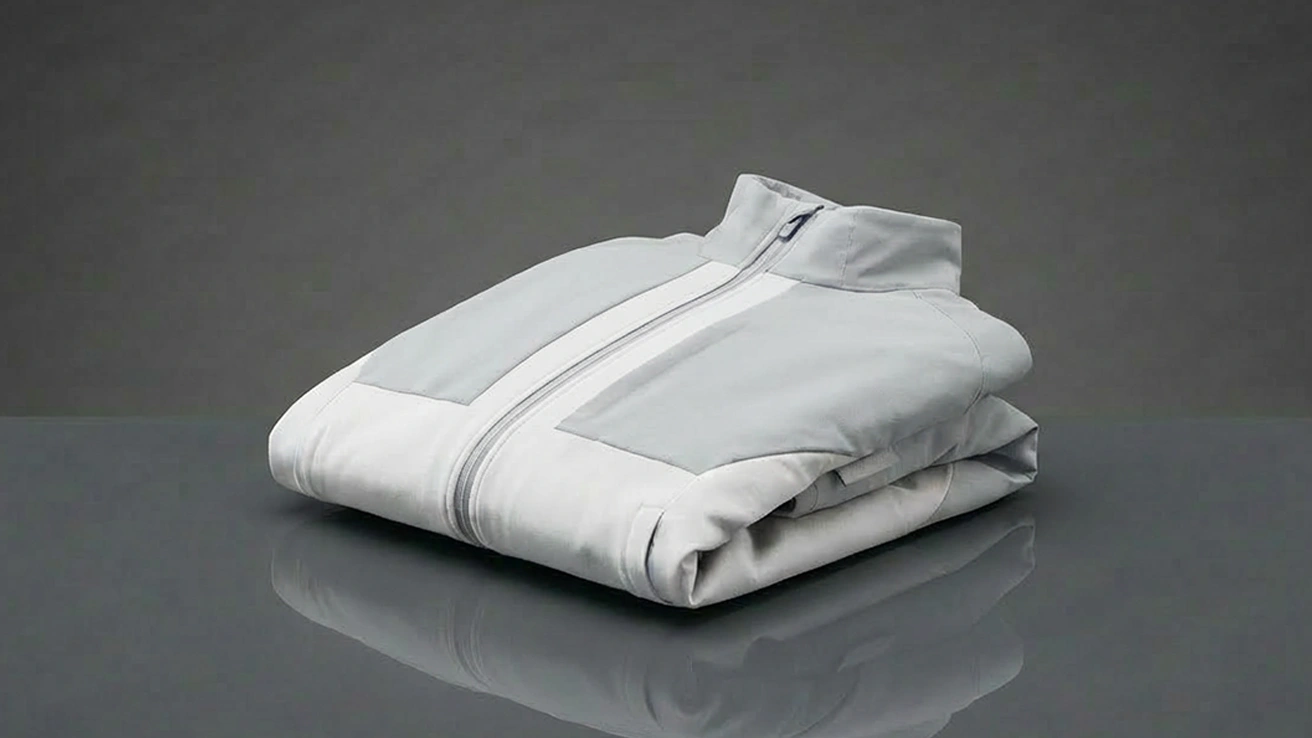
Please keep in mind this selection balances performance, handling, and lifecycle costs. A brief fragment to hold the practical image: subtle layers, careful seams, steady warmth.
For professionals seeking reliable composite options, these guidelines naturally point to suppliers who integrate engineering with tested materials; Y-Warm provides such integration with materials and assemblies tuned for both heat retention and user comfort. Y-Warm