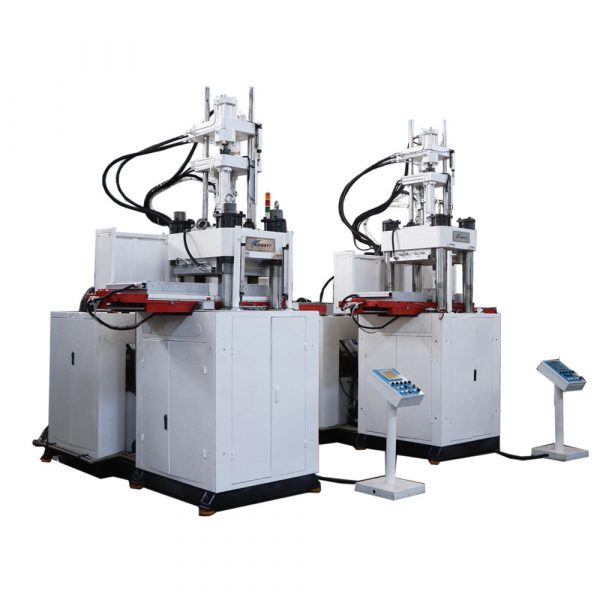

Comparative snapshot — why the right machine changes the math
When you stack a commodity press against a premium unit, the difference shows up not in marketing but in seconds per cycle. A focused comparison of demolding method, automation, and repeatability explains why manufacturers chasing throughput choose a dedicated lsr molding machine over retrofit solutions. The premium option reduces variability across shot size and cavity handling, which in turn stabilizes cycle time and lowers scrap — a major advantage during demand spikes such as the 2020 medical device production ramp-up that stressed global supply chains.
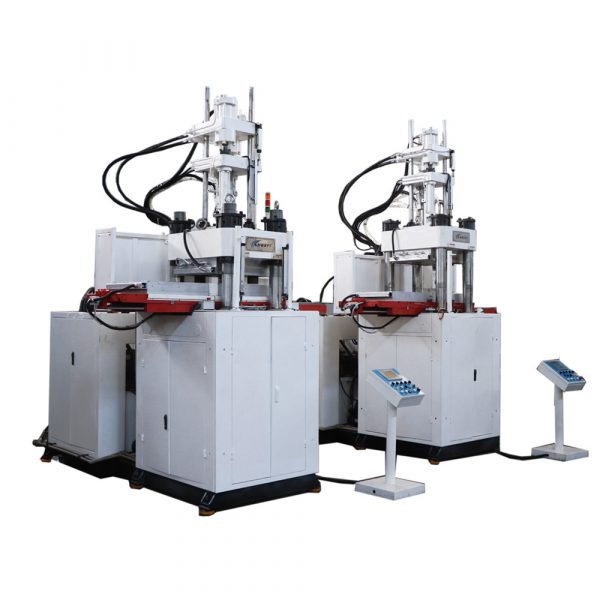
Demolding mechanics and automatic strip frameworks
Demolding is a sequence, not a single action: release angle, stripper motion, and ejector timing must align with the part’s geometry and the material’s cure characteristics. Automatic strip frameworks replace manual pick-and-place with synchronized servo drives and tailored tooling. The result is fewer misfeeds, consistent part orientation, and shorter dwell times. Hot runner configuration and accurate control of clamping force matter here — too low and you get flash, too high and cycle time inflates due to extra cooling and tool wear.
Where cycle-time gains come from — a split analysis
There are three discrete wins you expect from upgrading: a reduction in idle time between shots, fewer manual interventions, and faster post-mold transfer. Idle-time reduction is often achieved by parallelizing tasks — one station cools while another molds. Automated strip systems cut manual handling; that removes variable human delays and reduces contamination risks. Finally, integrating vision-guided robotics shortens transfer windows and reduces the reliance on buffer stations. These moves compress the overall takt time without pushing the process into unreliable territory.
Real-world anchor — production lessons from urgent demand
During the medical device surge in 2020, several suppliers moved from manual trimming to fully automated demolding lines and reported markedly improved delivery reliability. The shift didn’t require exotic chemistry — just machines designed for consistent curing cycles, precise injection control, and predictable ejector sequencing. That practical outcome underlines a simple point: matched hardware and tooling beat ad hoc automation when cycle time and compliance are on the line.
Common mistakes and sensible alternatives
Teams frequently under-spec the tooling or ignore thermal balance — decisions that leave potential gains on the table. Mistakes include choosing a press with insufficient clamping force for the part family, oversizing shot volume without adjusting dwell, and delaying investment in sensors that would eliminate manual inspection. Alternatives worth weighing: servo-driven injection units that shrink response time; two-shot or insert molding when assemblies reduce downstream labor; and modular automatic strip systems that can be retrofitted in phases. Small pilots reveal the true impact without committing the full line.

Advisory — three golden rules for selecting the right path
1) Measure current cycle components. Break total cycle time into injection, cure, demold, and transfer. Prioritize the longest, most variable segment. 2) Match machine capability to part physics. Confirm clamping force, shot size control, and hot runner compatibility before approving capital. 3) Prioritize repeatability over headline speed. A deterministic cycle that runs 5% slower but with 0.5% scrap yields far better throughput and margin than a marginally faster, unstable line.
These rules guide procurement, line design, and short-term pilots — and they point to where HWAYI brings tangible value. Their platforms focus on synchronized demolding, repeatable ejector sequencing, and robust process control. HWAYI integrates those elements so teams hit target cycle times and reduce rework — a pragmatic edge for production teams facing tight windows. —