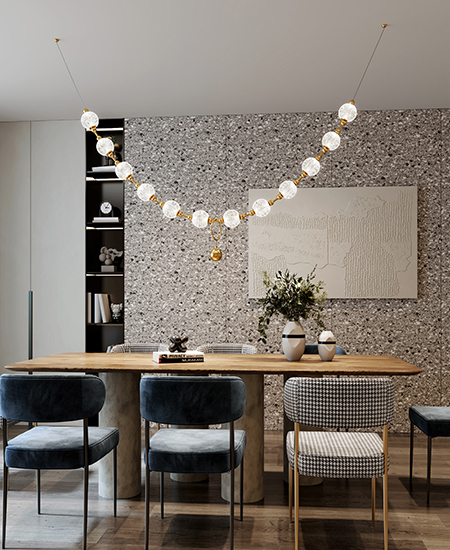

Why Pendant Light Choices Keep Shifting—And Why It Matters
Here’s the thing: the right pendant changes the whole mood, the bill, and the work flow. A designer lighting company sees this every week, from homes to hotels. Picture this: dinner table set, camera ready, but the glow feels off—too harsh, or too flat. Many modern fixtures run 8–12W LEDs with 90+ CRI, yet the room still doesn’t sing. So how come? If interior design pendant lights are so advanced, why do results still vary, lah? Is it the space, the driver, or the dimmer? (Sometimes, it’s the scale.) We need to unpack what’s actually going on, can or not?
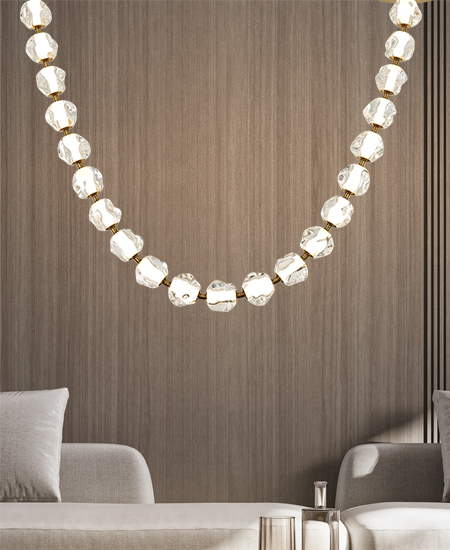
Data shows the basics are not enough: lumen output alone can’t fix glare, and a pretty diffuser won’t hide bad dimming curves. People mix up beam angle with fixture height—funny how that works, right? And when phones film at 120 fps, even mild PWM flicker shows. The question, then, is simple: what are we missing in the way we pick pendants, and how do we make choices that hold up across real usage—day to night, meetings to makan? Let’s go deeper, then move forward.
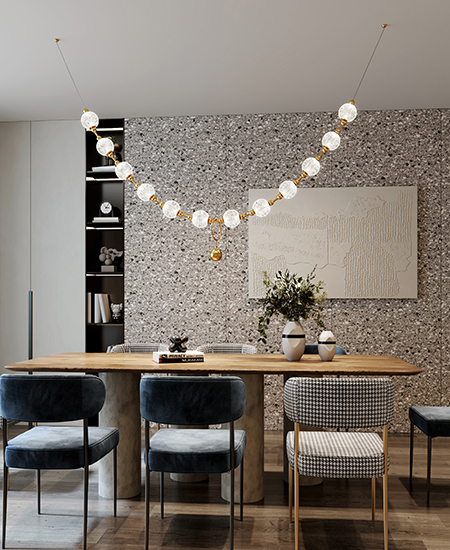
Hidden Pain Points Behind Pendant Picks (The Part Specs Often Skip)
First pain point: glare. A bright pendant with no controlled optics can look fierce, but it bites. User eyes get tired. Without a plan for UGR and beam spread, you get hot spots on the table and shadows on faces. Second pain point: scale. A pendant that’s too small at 2.8 m ceiling height looks lost; too big and it crowds the view. Look, it’s simpler than you think—match diameter to table width, then test the beam angle. Third pain point: control. If the fixture’s constant-current drivers don’t match site dimming protocols (TRIAC vs 0–10V vs DALI), you get stepping, shimmer, or no dim at all. That’s not a vibe, leh.
There’s more. Colour isn’t just CRI; check R9 for reds in food and skin. Poor thermal design means the heat sink runs hot, LEDs age fast, and colour shifts early. Kitchens also need easy-clean finishes; dust builds on textured shades and kills the look. And for content creators at home, PWM flicker shows on video. The fix? Confirm low-flicker drivers, pick the right diffuser, and keep a comfortable 2700–3000K for dining. Also, plan cable drops with headroom—pendants should sit at eye-comfort level, not camera glare level. Small changes, big peace.
From Pain Points to Playbooks: What’s Changing Next
What’s Next
The next wave blends better physics with smarter control—without making life cheem. Optics are moving to micro-prismatic lenses that cut glare while keeping punch on the table surface. Drivers are shifting to low-ripple designs and smoother dimming curves, so filming at high frame rates is safe. On controls, Bluetooth Mesh and DALI-2 make scenes easy, while PoE plus tidy power converters keep loads stable. Even edge computing nodes can adjust daylight response per zone—tiny brain, big calm. And yes, tunable white (2700–5000K) lets a space move from dinner to deck work with less fuss—funny how the right CCT turn changes mood more than a new chair.
Custom is also going mainstream. With bespoke lighting design, you can set beam angles, choose diffuser textures, and lock dimming to the site protocol before a box ships. That closes the gap between pretty spec sheets and real rooms. Compared to off-the-shelf, a tailored pendant reduces rework, improves visual comfort, and extends service life (cooler LEDs live longer). In short, we’ve learned that glare control, scale, and control logic matter as much as lumens. So, how to choose better next time? Three metrics help: visual comfort (check UGR, beam cut-off, and shielding angle); colour quality (CRI with R9 and consistent CCT across runs); and system reliability (driver compatibility with your dimmer, thermal path, and maintainable parts). Keep these three, and your pendants will behave—day one and day 1,000. For more grounded builds and calm, useful glow, there’s always kinglong.