

Introduction
I remember walking into a small shop where the operator was pulling his hair out over a tolerance that just wouldn’t hold — real scene, real stress. In that same shop, we seen uptime dip by nearly 18% last quarter (shop floor numbers don’t lie). As a matter of fact, vertical machining center manufacturers face that squeeze all the time — tight cycles, picky spindle behavior, and CNC controller quirks. So what do you do when deadlines stack up and the tool changer keeps acting up? I’m gonna walk you through simple, honest fixes and the mindset that helped me stop bleeding time and start cutting better parts, faster. Stick with me — I’ll keep it straight and useful, none of that fluff. Next, we’ll dig into where the usual fixes trip up and what that really costs you on the floor.

Where the Usual Fixes Fall Short (and What You Really Lose)
horizontal or vertical turning machining center setups often get blamed for bad parts, but I’ve found the real pain lives deeper. Folks tweak feeds and speeds, swap inserts, and blame the spindle without checking the CNC controller logic or linear guideways play. That kind of surface-level fix? It only buys you a week. Tool changer errors, worn servo motors, and under-sized power converters keep coming back. Look, it’s simpler than you think — the root problem is how systems talk to each other and how maintenance is scheduled. If you don’t fix communication and alignment, you’re patching the same hole with tape. — funny how that works, right?
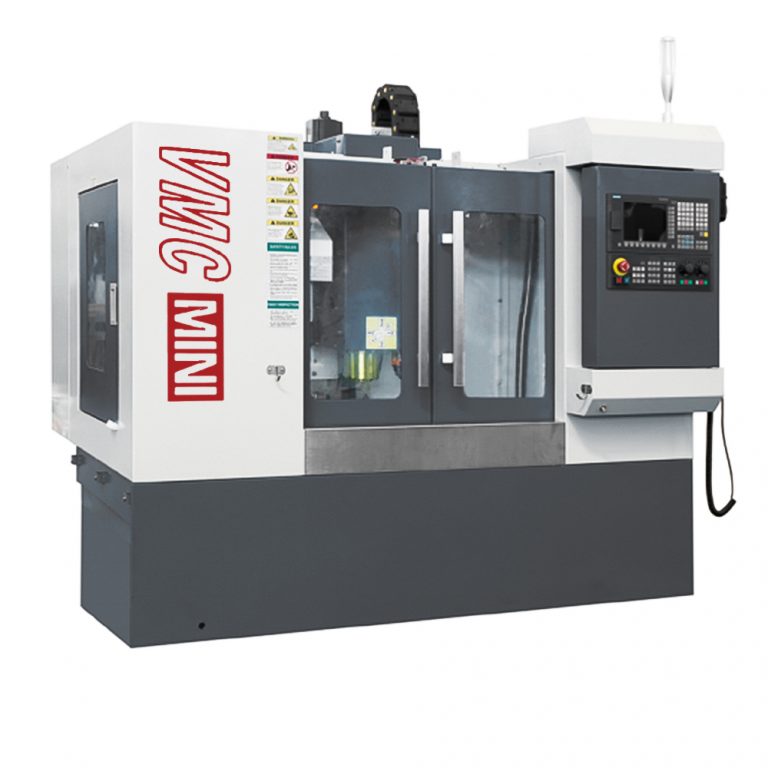
So why does that happen?
Most teams treat the machine like it’s a single box. But it’s a network: spindle, drives, edge computing nodes, and the operator. If one node’s weak — say the spindle bearings or a lagging servo motor — the whole cycle lengthens, and tolerances drift. I’m telling you from lots of shop visits: ignore the system view and you pay in scrap, overtime, and lost trust with customers.
Forward-Looking Fixes: New Principles and How to Test Them
We gotta move from quick hacks to new principles: real-time diagnostics, modular maintenance, and smarter tool-path planning. Adopt edge computing nodes for live data, tune your CNC controller with feedback loops, and pick drive systems with verified power converters. When I started applying these, cycle variance dropped and setups went faster. This isn’t theoretical — it’s what changed outcomes on jobs I oversaw. (I mean, seeing a job hit tolerance first run — that never gets old.)
What’s Next — practical steps?
First, try a controlled pilot: pick one cell, install vibration sensors and a better spindle monitoring routine, then compare run charts. Second, invest in operator training that covers simple diagnostics — they should spot a failing linear guideways early, not just call for a service tech. Third, measure results. Here’s how I grade upgrades: throughput change, reduction in rework, and predictable cycle times. Those three tell you if you actually improved production, or just shuffled problems around — and they’re easy to track.
How to Choose Upgrades — Three Metrics I Use
I don’t believe in shiny features. When evaluating a new technique or machine — whether you’re looking at a retrofit or a new 5 axis vertical machining center — focus on these three metrics: 1) Mean time between failures (MTBF) for critical components like spindles and tool changers; 2) First-pass yield on critical tolerances; 3) Cycle-time variance over a week. If an upgrade moves those numbers the right way, it’s worth the capex. If it doesn’t, you’re just collecting dashboards. — look, I mean it.
I’ve seen shops go from firefighting to steady cadence by trusting simple measures and listening to the floor. We’re not chasing perfection; we’re aiming for reliable, testable improvement. If you wanna dig deeper into specific systems, I’ve worked with gearheads and planners alike — and I trust the solutions I’ve used. For practical, real-world options and parts, check out Leichman.