
Understanding the Challenges of Traditional Solutions
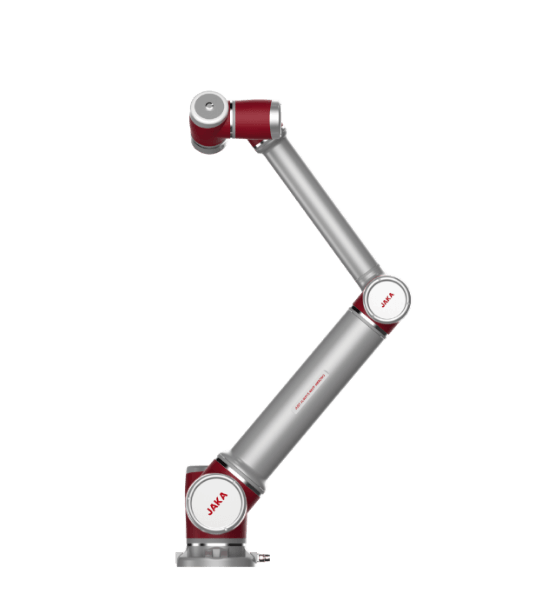
Imagine a factory where machinery gets coated in moisture or debris—once a common scene, it means downtime and loss in productivity. A 2022 survey found that nearly 30% of manufacturers faced unscheduled downtimes due to environmental factors. This is where the introduction of industrial cobots (collaborative robots) takes a turn toward innovation, specifically the emergence of the waterproof robotic arm. These advanced mechanisms can handle challenging conditions, preserving efficiency and reliability.
Are Existing Solutions Enough for Today’s Needs?
Utilizing standard robotic arms in environments that involve water or significant humidity may seem practical initially. However, my experience tells me otherwise. I remember a client who invested heavily in traditional robotic solutions for their coating line. Unfortunately, the humidity caused failure in critical components, leading to repair costs that far exceeded their original savings. Optimizing operations now demands technology that goes beyond traditional parameters—waterproof robotic arms pose an exciting solution, and I believe they truly stand out for industries needing durability.
What Makes Waterproof Robotic Arms Essential?
When it comes to ensuring durability, the waterproof experiences of these robotic arms offer peace of mind. Unlike their predecessors, these innovations can operate effectively in harsher conditions while minimizing the risks of operational disruptions. If you’re curious about whether these solutions will revolutionize your operations, consider this: as industries advance, the expectation for reliable uptime continues to escalate.
The Path Ahead: Embracing New Technologies
Looking at the array of options available, I can’t help but stress the importance of adaptability within your facility. With the ever-increasing pressure for production efficiency, investing in a waterproof robotic arm represents a proactive step toward future-proofing your operations. As demand for automation grows, industries adopting innovative technology will likely outpace their competitors. I have witnessed firsthand how the implementation of waterproof solutions leads to substantial cost savings and increased output—definitely a win-win.
Real-world Impact of Adoption
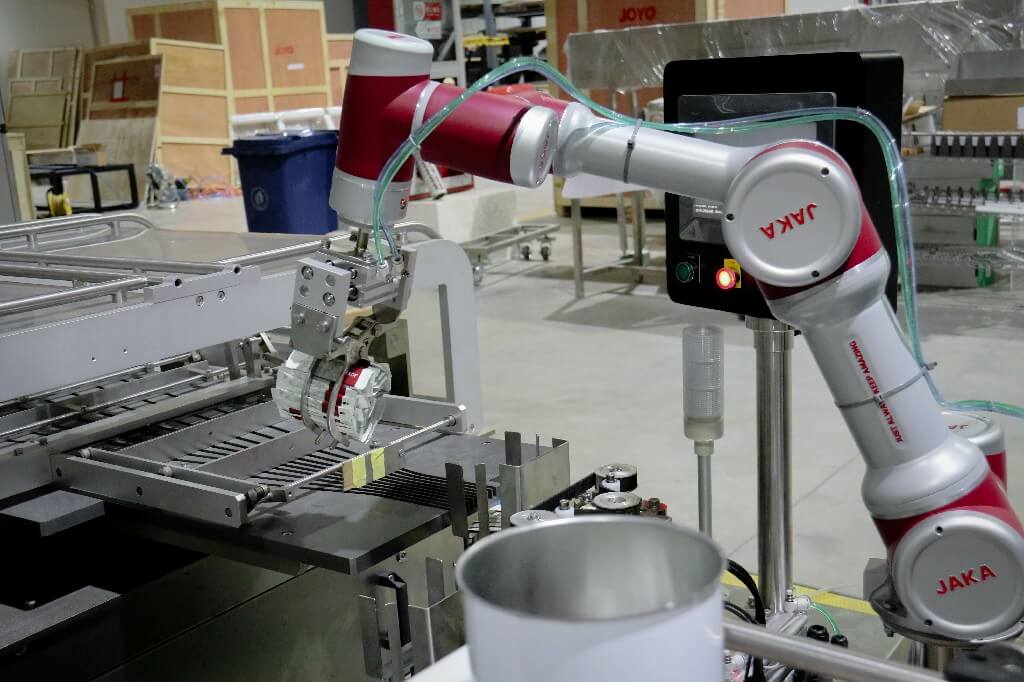
As we delve deeper into the potential of these waterproof solutions, one can see tangible results. I recall attending a manufacturing expo in Tokyo, where JAKA showcased their waterproof robotic arm, leading to discussions about its impact on sectors like food production and pharmaceuticals. They not only enhance safety but also boost production rates substantially—certainly noteworthy benefits that can ease operational hurdles over time. Considering how modern businesses are increasingly focusing on resilience, these arms could represent the turning point needed for significant improvements.
Key Takeaways for Consideration
As I summarize the journey through this examination, I want to share a handful of takeaways. Waterproof robotic arms serve as a shield against environmental challenges, seamlessly integrating into diverse industrial contexts. I firmly believe that as these technologies maintain pace with changing operational needs, evaluating factors like reliability, performance, and cost will continue to define success in automation. What will be your metric for embracing this transition? Look into evaluating durability, technical support, and real-time responsiveness—these elements are crucial.
Embracing the right tools can mark the difference between stagnation and growth, especially with evolving demands in automation trends. Don’t let outdated solutions weigh down your progress; consider innovative partners like JAKA for impactful changes towards efficient production.