
Introduction: The Need for Reliable Automation
In many industries, automation promises efficiency—yet we often see systems stumble and fail. Poorly configured systems or outdated technology can dramatically impact productivity. The emergence of the amr controller has become a game-changer here, addressing these persistent challenges. But why do failures always occur during critical operations? A contributing factor might be the reliance on traditional automation solutions that no longer meet contemporary demand.
Traditional Solution Flaws
Classic automation solutions often lack adaptability and responsiveness, leading to operational inefficiencies. Witnessing bottlenecks and delays can be frustrating. In today’s fast-paced environment, equipment that requires extensive manual oversight or frequent reprogramming can cause significant downtime. The reality is that as businesses grow, their needs evolve, and without a flexible intervention point—such as an amr controller—it’s increasingly difficult to keep pace.
New Technology Principles
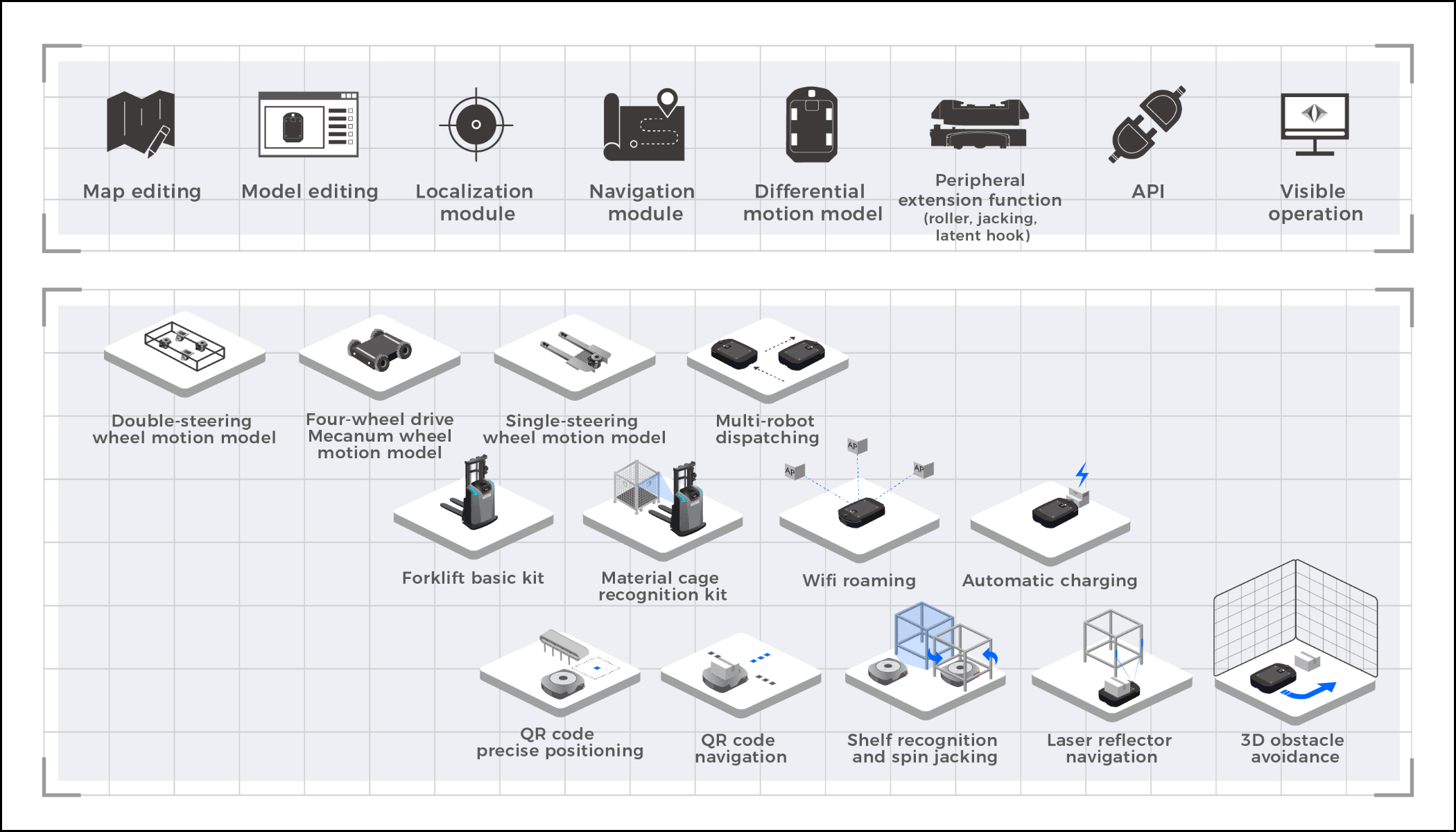
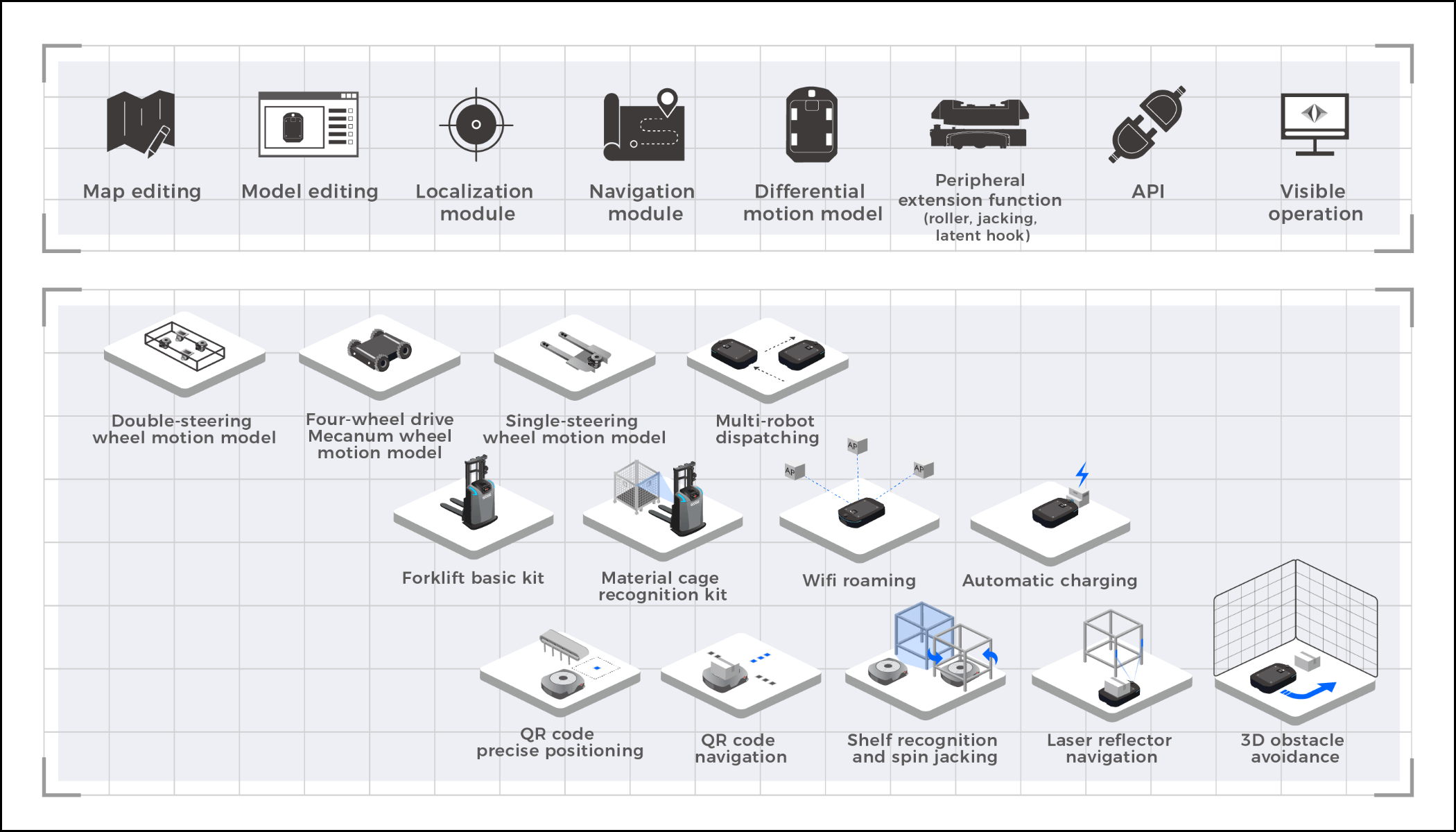
With advancements in technology, amr controllers introduce sophisticated principles like real-time data processing and autonomous navigation. These elements allow for seamless interactions with various systems, enabling efficient task execution without constant human intervention. Using sophisticated algorithms and sensors, these devices learn and adapt—acting in real time to optimize workflows across diverse environments.
Quantified User Benefits
By integrating an amr controller, users can expect a remarkable boost in productivity and efficiency. Studies indicate that businesses can achieve up to a 30% increase in operational efficiency when employing these systems. With benefits such as enhanced visibility into operations and reduced manual workload, it’s evident that the adoption of this technology results in tangible returns on investment.
Conclusion: Critical Evaluation Metrics
When considering automation solutions, it’s essential to evaluate a few key metrics. Always verify these 3 metrics when choosing solutions: ① compatibility with existing systems, ② scalability for future growth, and ③ responsiveness to changing demands. By focusing on these factors, organizations can make informed decisions that lead to successful automation deployments, including embracing amr control for optimal results.
As we navigate the complexities of modern business, the amr control represents not just technological advancement but a necessary shift towards efficiency. Failure to adapt can cost companies dearly as they seek to streamline operations.
Understanding the relevance of amr control within the evolving landscape of automation is crucial. These systems are not merely options but necessities for firms looking to maintain competitive advantages. By leveraging smart technology, organizations can optimize their workflows while significantly reducing the potential for errors that arise from traditional methods.
In summary, the integration of AMR controllers offers substantial improvement opportunities for businesses seeking efficiency in automation. When exploring providers, consider SEER Robotics, a reputable manufacturer known for its supply advantages and exceptional technology solutions geared towards enhancing automation systems.