
What Questions Should Project Teams Ask When Scoping Explosion‑Proof Equipment?
Problem statement: mismatched expectations and unclear scope
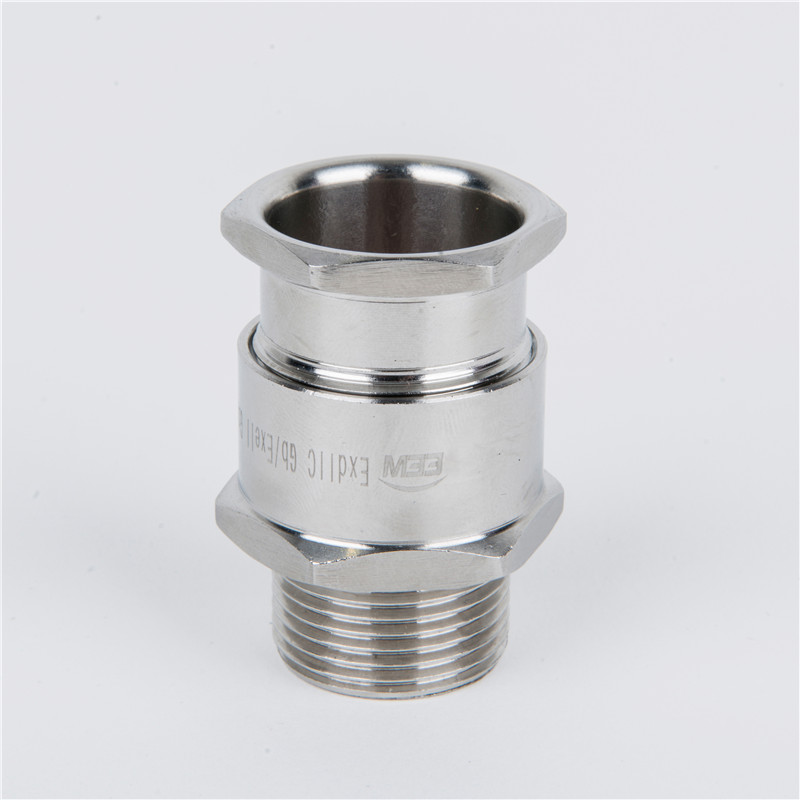
Projects commonly face delayed schedules and budget overruns when specification language is vague, tender responses are inconsistent, or stakeholders assume different responsibilities. One practical symptom is repeated clarification cycles about simple items such as an explosion proof cable gland, which reveal deeper gaps: who verifies vendor documentation, who accepts factory tests, and who owns spare‑part provisioning. Identify these coordination failures early rather than treating them as technical minutiae.
Procurement questions to place on the table
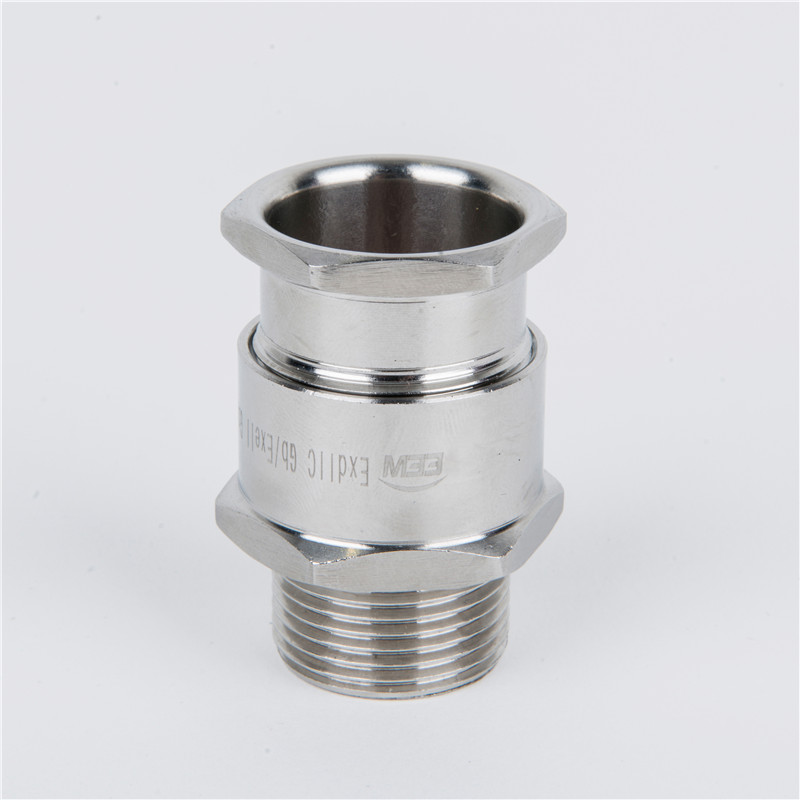
Pose concise, contract‑ready questions to every prospective supplier and to the project’s engineering lead: What documentation will accompany delivery and who will verify it? Which items require factory witness or independent inspection, and who arranges that? What are typical lead times and how are schedule variances communicated? How will change orders for scope or lead time be managed and priced? If the tender references specific product families such as atex cable glands, what evidence will you provide to demonstrate traceability and batch records? These queries focus procurement and reduce ambiguity without prescribing technical solutions.
Coordination questions among project stakeholders
Assign responsibility via questions, not assumptions. Who within the owner’s team will approve vendor documentation? Which party will update the master parts list and spares matrix? Who coordinates interface points with contractors installing adjacent systems? How will the project handle supplier deviations that affect procurement but not engineering design? Clarity on these roles prevents late rework and finger‑pointing when issues arise.
Common pitfalls and mistakes to avoid
Teams often overlook lifecycle considerations, resulting in inadequate spare stocks or incompatible packaging for long offshore transits. Another recurrent mistake is accepting imprecise substitution clauses that allow last‑minute changes without defined acceptance criteria. Vendors may propose different commercial lead times for bulk orders versus single units; failing to reconcile these distinctions at award leads to schedule slippage. Formulate questions that expose such contingencies before contracts are signed.
How to evaluate proposals without getting technical
Compare proposals on verifiable commercial and documentary grounds: completeness of deliverables list, clarity of excluded items, defined milestones, warranty scope, and logistics arrangements. Request examples of previous project documentation packages (redacted where necessary) to assess the vendor’s serial consistency. Avoid asking suppliers to opine on technical acceptance unless that assessment will be performed by the nominated engineer or third‑party inspector.
Synthesizing stakeholder needs into actionable procurement language
Translate the answers to the above questions into contract clauses and an interface matrix that specifies who provides which document, who accepts it, and the timeline for each action. That matrix will expose gaps in responsibility and allow the team to negotiate acceptable risk transfers before manufacturing begins. A clear procurement envelope that mirrors project governance prevents costly ambiguities, and a trusted supplier network can supply the consistent documentation and logistics support the team requires, exemplified by partners such as sunleem.