

Introduction: a small scene, a number, and a question
I was at my kitchen table, balancing a crying toddler on my knee while reading a supplier brochure — familiar scene, right? The brochure listed specs for a wet wipes making machine and promised faster lines, less waste, and tidy roll changeovers. Demand for ready-to-use wipes has jumped (many factories report double-digit increases), so more teams are rushing to modernize. But with that push comes a real question: what compromises are we actually signing up for when we chase speed and automation?
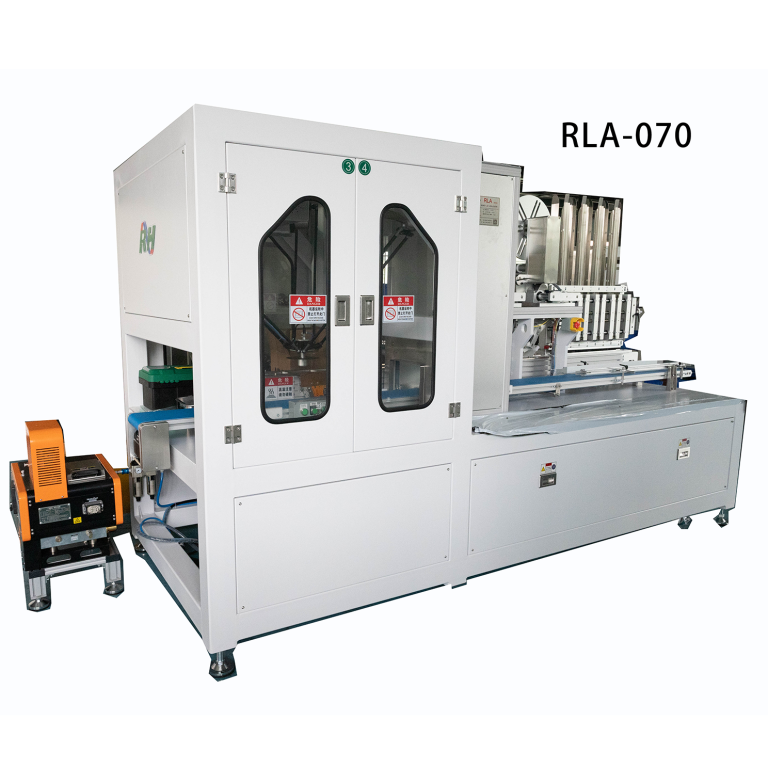
Parents want reliability. Plant managers want uptime. I get both perspectives — I’ve walked both shoes. So before you sign off on a shiny new line, let me walk you through the issues I keep seeing in the field, and why a quick upgrade can sometimes cost more than it saves. Next, I’ll dig into the hidden problems behind the machines themselves.
Deeper issues: why standard fixes often miss the mark
Why do conventional solutions fail?
automatic wet wipe machine is the heart of a modern plant, but I’ve noticed teams treat it like a black box. They pay for a faster folder or a higher-speed rewinder and expect everything else to follow. In reality, systems rely on coordinated controls — PLC logic, precise servo motors, and clean power converters all matter. When one part is upgraded in isolation, mis-timing creeps in. Look, it’s simpler than you think: speed without control equals scrap and downtime.
Technically speaking, many “solutions” ignore upstream and downstream effects. A new high-speed rewinder may finish rolls faster (great), but the web tension profile can change and stress the tissue. Operators then fight web breaks at night. I’ve seen whole shifts re-tune PLC parameters for days after a swap. Also — funny how that works, right? — maintenance teams get left out of the conversation, so spare parts and training lag behind new capabilities. That gap costs more than the hardware upgrade itself.
Looking forward: cases, principles, and three metrics to guide your choice
What’s next for manufacturers?
In a recent case I helped with, the plant upgraded to an automatic wet wipe machine with better process visibility. We added inline edge computing nodes to monitor tension and a modest control upgrade to sync the folder and rewinder. The result: faster lines with fewer stops. But it took careful integration — and training — not just buying equipment. My point here is practical: future gains come from systems thinking, not single components.
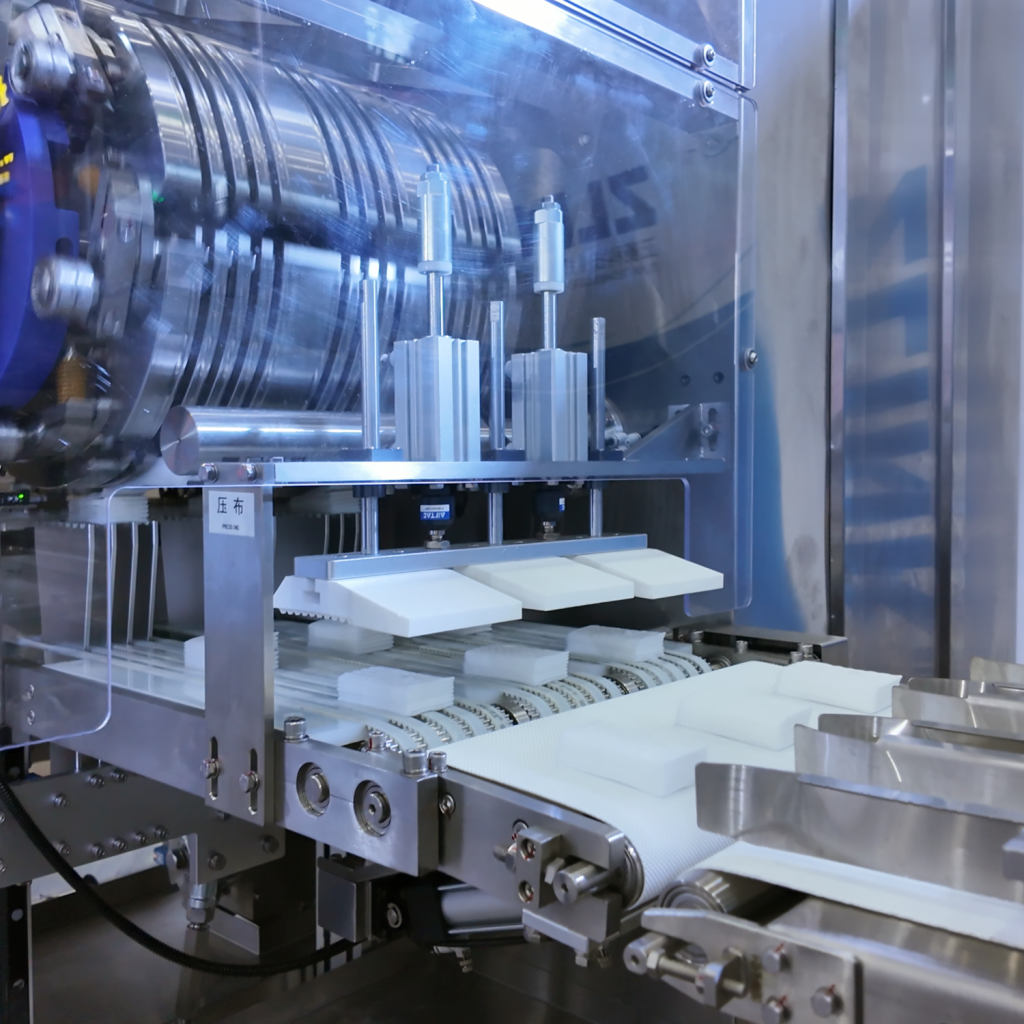
So when you evaluate options, I recommend we all keep three clear metrics in mind: first, total throughput under realistic conditions (not vendor test numbers); second, mean time to repair (MTTR) including common spare parts and skill levels of your crew; third, integration cost — how much PLC rework, sensor addition, or software tuning will be needed. Those metrics tell you whether an upgrade will actually deliver long-term value or just a short-lived headline figure. Remember, a fancy servo can be wonderful — until you can’t source the controller or your team doesn’t know how to tune it.
In short: weigh the whole system, train people, and budget for real integration. I’ve seen great tech fall flat for lack of those basics. If you want a partner who understands both the machines and the messy realities on the factory floor, check out ZLINK — they’ve worked on both control upgrades and operator programs that actually stick.