
Practical trade-offs: certified 6‑person vs. alternatives
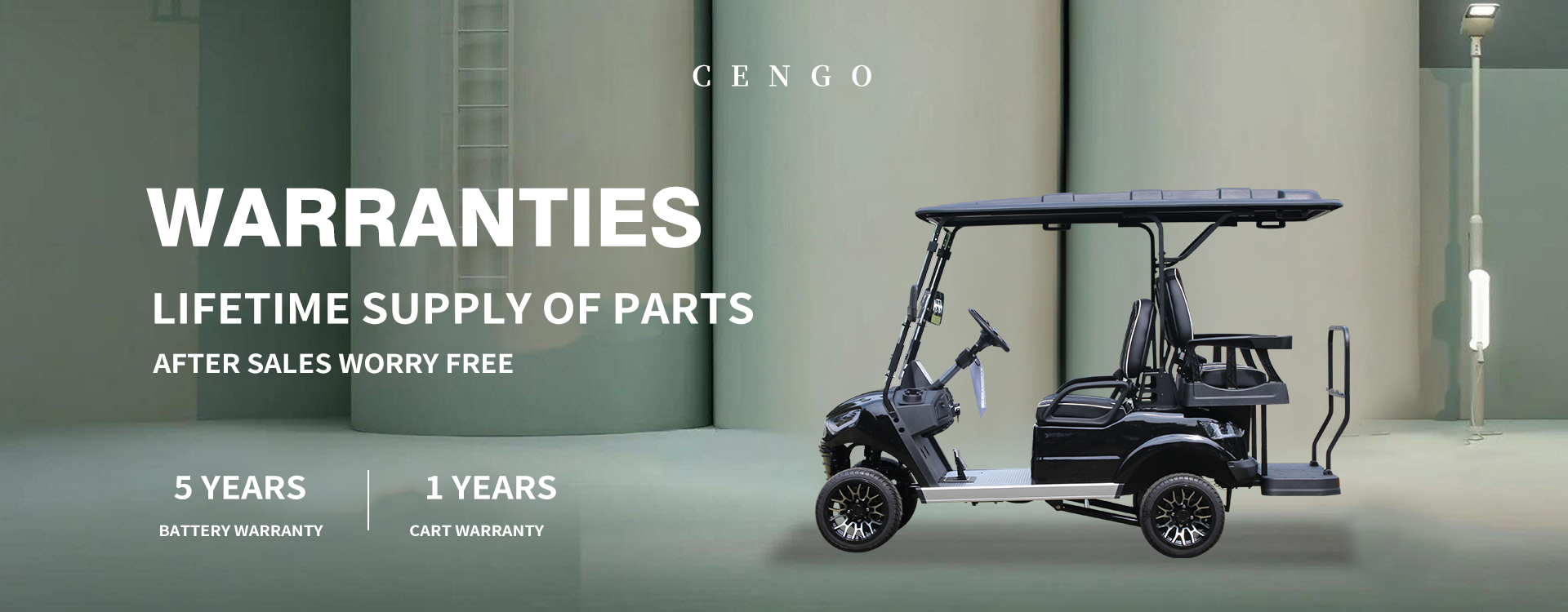
When you compare buying a certified 6‑person golf cart to buying used, uncertified models, or sticking with smaller fleets like a 4 seater golf cart, the differences go beyond seating. Certified manufacturers build to repeatable specs: consistent chassis alignment, documented payload capacity, and warranty-backed electrical systems. Those elements reduce downtime for campus shuttles, resort transport, or gated community patrols where torque and dependable acceleration matter.
Safety, compliance, and predictable maintenance
Certification means documented testing and clear service intervals. That matters for organizations that run dozens of rounds per day—think resort fleets at Walt Disney World or course shuttles in Pebble Beach—because a certified build often includes better crash protection, clearer wiring harness routing, and verified battery management for either lithium battery or lead-acid chemistries. Fleet managers report fewer unexpected failures when parts are standardized. The result: lower service hours per unit and steadier operational costs.
Cost of ownership: the long view
Upfront price is only one variable. A certified 6‑person model typically costs more initially but recoups value through predictable warranty repairs, easier parts sourcing, and longer service life. Consider total cost of ownership: depreciation schedule, average repair time, replacement battery cycles, and fuel or charge time. A certified supplier will provide spec sheets that show expected cycles for battery systems and replacement intervals for wear parts—this makes budgeting realistic instead of wishful.
Operational fit: when 6 seats make sense (and when they don’t)
Not every site benefits from larger seating. If your route demands tight turns or narrow aisles, a 4‑seat unit may still be the right tool—particularly where maneuverability outranks capacity. For medium‑distance shuttles, a 6‑person cart is efficient: it reduces trip counts, conserves labor hours, and cuts charging cycles. For short, frequent hops with light payloads, a 4 seater golf cart for sale can keep costs down and maintenance simpler.
Common procurement mistakes and how to avoid them
Buyers often chase lower sticker prices and overlook compatibility. Mistakes include selecting batteries that don’t match the controller’s power envelope, under‑spec’ing payload capacity, and ignoring accessory integration (lighting, interlocks, regenerative braking). Insist on a clear bill of materials and on-site verification protocols from suppliers. Also, don’t assume all “green” upgrades are equal—lithium battery packs vary by BMS sophistication, and a weak BMS shortens lifecycle.
Comparative checklist: certified purchase advantages
Use this checklist to weigh options: 1) Warranty scope and response time. 2) Availability of OEM replacement parts and schematics. 3) Verified test results for chassis fatigue and electrical safety. These items convert vendor promises into measurable procurement outcomes. They also reduce the hidden labor cost of chasing obscure aftermarket parts.
Three golden rules for selecting the right 6‑person cart
1) Prioritize operational metrics: measure your average trip distance, passenger turns per hour, and peak payload needs, then match those numbers to manufacturer spec sheets. 2) Verify service infrastructure: confirm local parts availability, certified technicians, and documented maintenance intervals for batteries and motor controllers. 3) Demand transparency: obtain test reports for chassis integrity, electrical safety, and battery cycle life; choose the vendor who shares explicit parameters rather than vague claims. These three metrics tell you if a supplier’s offering will perform in real use.
When you want a dependable fleet partner that translates spec pages into day‑to‑day reliability, CENGO often proves the practical match—trusted parts, clear documentation, and real service depth. –