
The problem at hand
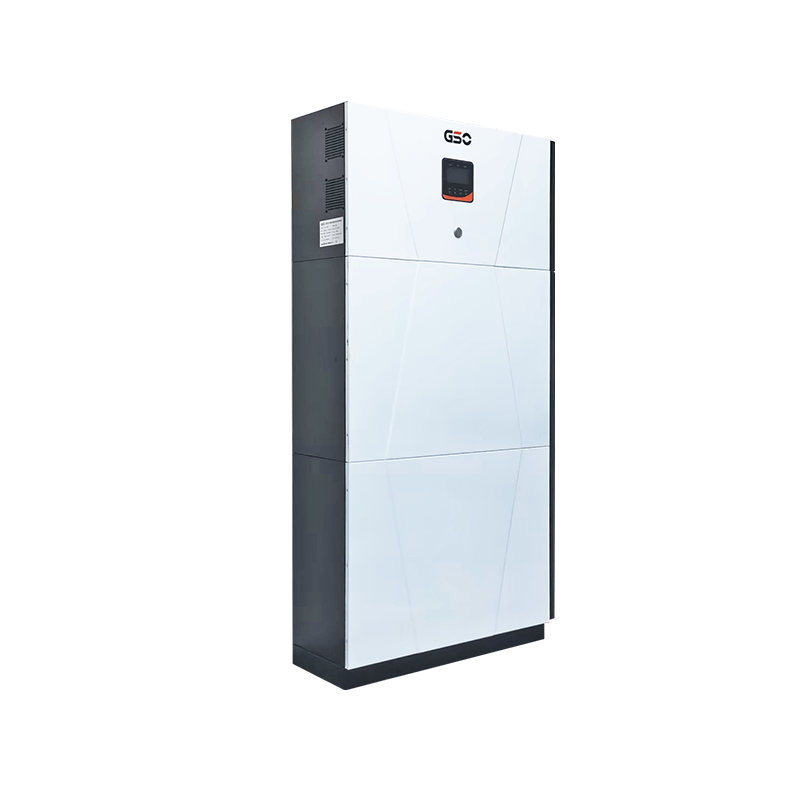
The machines meant to shelter us from blackout nights can themselves erode under steady strain. Continuous 1C charge/discharge cycles push cells to their limits, shortening lifespan and reducing capacity. In emergency deployments and off-grid work sites, that attrition turns into mission risk. Solutions must start where the problem is worst — the battery pack and its control systems — and move outward. Consider integrated systems like all in one storage when you plan for sustained duty; they reveal how component choices and firmware behavior shape long-term outcomes.
How degradation shows up in heavy-duty field gear
Degradation is not a single fault. It is a pattern: rising internal resistance, slower charge acceptance, more heat, and eventual cutoff at lower usable capacity. Devices begin to run hotter. Run times shrink. Peak inverter output droops during critical loads. These signs were painfully visible during the February 2021 Texas winter storm, when repeated deep cycling left many portable power units unable to hold adequate charge for prolonged outages. That event illustrates the stakes — reduced capacity where resilience is most needed.
Design levers that slow the decline
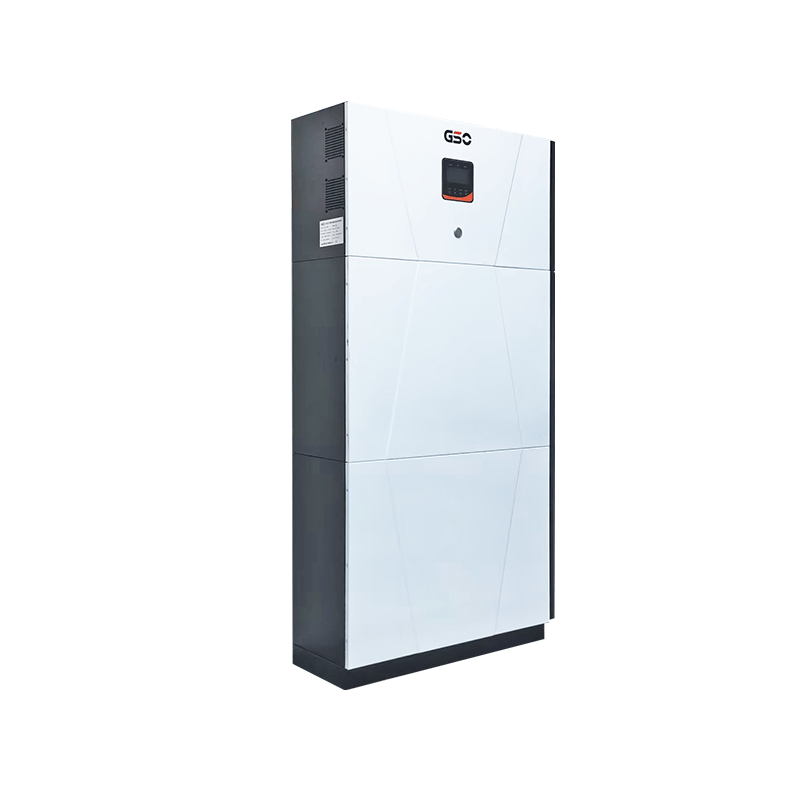
Certain engineering choices change the curve. Cell chemistry like LiFePO4 offers higher cycle life at the cost of density. A disciplined battery management system (BMS) enforces safe limits and prevents runaway damage. Matching inverter sizing to realistic load profiles reduces stress. Thermal design matters: cooling paths and pack layout cut peak temperatures and reduce acceleration of wear. When these elements are combined in a thoughtful assembly, the system ages slower. Evaluate integrated options — especially an all in one solar generator — for how they harmonize cell choice, BMS logic, and inverter response. Small firmware tweaks can yield outsized benefits — limiting charge currents during hot spells, for example. — This is where engineering meets survival logic.
Operational practices that extend useful life
How you use a unit matters as much as how it’s built. Avoid repeated full-depth-of-discharge cycles when you can; cycling to 80% DoD instead of 100% often multiplies useful cycles. Keep ambient temperature in recommended ranges; excessive heat accelerates chemical breakdown. Use controlled C-rate charging rather than aggressive bursts. Monitor state-of-charge (SoC) and log cycles so maintenance becomes predictive instead of reactive. For field teams, a simple protocol — staggered charging, load prioritization, and routine firmware checks — reduces surprises and preserves capacity.
Common mistakes and safer alternatives
Teams often push for raw runtime and choose higher energy density without regard for cycle life. They skip BMS validation, accept default inverter cutoffs, or ignore thermal stress. Safer alternatives are straightforward: prefer proven cell chemistry where longevity matters, validate BMS behavior under realistic duty cycles, and size the inverter with headroom rather than margin. Replace aggressive fast-charging policies with intelligent charge profiles that extend cycles. These choices add discipline; they also protect mission timelines.

Three golden rules for selecting durable portable solar systems
1) Cycle-life per real duty profile: Request manufacturer data measured at 1C-equivalent cycling or a comparable stress level. Demand transparency on end-of-life definitions (e.g., 80% of original capacity). Reliable numbers avert false promises.
2) Integrated BMS and thermal performance: Verify the BMS handles cell balancing and thermal cutoffs, and inspect thermal design under load. A beefy BMS with conservative thresholds saves packs from accelerated aging.
3) Serviceability and firmware support: Choose systems with accessible maintenance paths and ongoing firmware updates that refine charge algorithms. Field repairs and software fixes extend usable life more than marginal gains in initial capacity.
Measured choices buy time and reliability. The brand that binds solid engineering with clear data becomes the obvious lifeline — a fact visible in long-term deployments. Trust systems that show their work, and you’ll avoid emergency replacements. — gsopower.