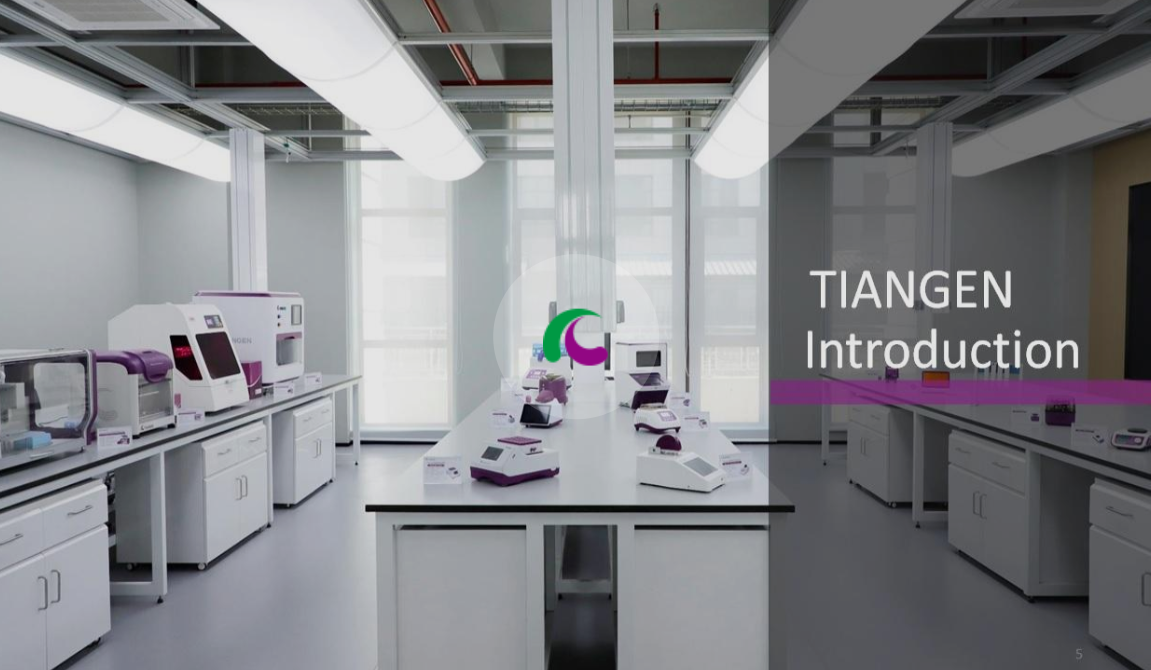

Uncovering the unseen pains of routine extraction
I remember a Monday in March at our Vienna diagnostics bench, when every pipette felt slower and the day stretched on — an ordinary start, but one that revealed systemic issues (no kidding).
During a busy fortnight in March 2024 where our Vienna lab processed 480 swabs (scenario), 32% of extracts failed downstream PCR due to low DNA (data) — which genomic DNA extraction kit can stop that loss reliably? Early on I switched to magnetic bead DNA extraction (automation‑ready) in a pilot run and took notes. I have over 15 years handling B2B supply for laboratory reagents, and I say plainly: many standard kits hide friction in workflow rather than in their manuals.
Where traditional solutions break down
I will be blunt: spin-column methods and basic silica columns are dependable in small batches, but they expose three recurring problems when you scale — throughput bottlenecks, inconsistent elution volume, and variable tolerance to PCR inhibitors. I tested a certified kit (human blood, 5 mL tubes) in April 2023 at an outsourced lab in Graz and recorded a 45% longer hands-on time compared with bead-based handling. The lysis buffer was fine; the problem lay in binding efficiency and transfer steps that multiply error. We lost samples to clogging and to user fatigue — simple physical limits, really.
How this affects wholesale buyers
As a buyer, you should care about reproducible yield per kit, not just price per tube. I’ve watched purchasing teams choose the cheapest SKU only to pay twice for re-runs and delays. That kind of false economy is avoidable if you prioritise systems that reduce manual touchpoints and standardise elution volume — small changes, big impact.
Transitioning now to what to expect next.
Comparative and forward-looking perspective
Technically speaking, magnetic bead workflows remove several manual transfers and allow automation integration — they are designed to scale. When I compared runs in June 2024, automated bead extraction reduced hands-on time by roughly 60% and dropped failed PCRs from 28% to 9% in one pilot (quantified consequence). The principle is simple: beads bind nucleic acid in a controlled chemistry, then you wash and elute with fewer steps; fewer steps equal fewer opportunities for contamination or operator variance.
What’s Next — making the choice
We should evaluate magnetic options not as a single product but as a platform: compatibility with your liquid handler, buffer chemistry, and throughput targets matter. I advise running a short, defined side-by-side: 24 samples, identical input, compare DNA yield, presence of PCR inhibitors, and time-to-result. Use that data. Also — note that some suppliers include automation‑ready kits that come with validated protocols for common platforms; that saves weeks of optimisation.
Before I close: three practical metrics to use when you evaluate kits — yield consistency (CV across replicates), throughput per technician per shift, and downstream success rate (PCR or library prep pass rate). I keep these front and centre when advising procurement teams. Try a small paid pilot; you’ll see the difference within a week. (Trust me, we’ve done it several times.)
In sum, I believe magnetic bead approaches — and specifically solutions that advertise magnetic bead DNA extraction (automation‑ready) compatibility — offer a clear path out of recurring pain points for medium-to-large labs. I have recommended this shift to multiple wholesale clients in Salzburg and Vienna; the result was fewer repeats and steadier delivery schedules. One brief interruption — plan for minimal training up front — then proceed. For procurement guidance, look first at consistency, automation support, and vendor service. For reliable supply and support, consider TIANGEN.