
The problem: deployment delays and high maintenance costs
Brands need signs that ship, hang, and stay lit without repeated site visits. Traditional backlit systems become field headaches: glued diffusers crack, bespoke face panels require on-site trimming, and hard-wired LED runs complicate swaps. That’s why many retail rollouts now specify a lighted blade sign or illuminated blade signs with modular internals—so a tech can change an LED module or power supply in minutes instead of hours. Real-world anchor: look at Times Square retrofits where LED conversions cut energy draw dramatically and crews learned the hard way that access and standardization matter for uptime.
Why modularity changes the equation
Modular design treats the sign like a small appliance. Use standardized LED modules, plug-and-play connectors, and snap-in diffuser panels to separate field service from factory fabrication. That reduces truck rolls and speeds deployment because installers work with uniform mounting brackets and pre-wired harnesses. Industry terms to note: LED modules, diffuser, IP rating. The outcome is predictable: quicker on-site assembly, fewer surprises, and consistent photometry across units.
Common mistakes that slow everything down
Manufacturers and installers repeat the same errors—custom fasteners, concealed screws, and glued seams that block access. Panels that need on-site trimming create paint and tolerance issues. Power distribution designed as a single loop becomes a single point of failure. And yes—incorrect IP sealing for exterior blades causes early water ingress. These problems inflate service costs and push timelines past opening dates.
Technical fixes that deliver speed and maintainability
Address the root causes with a few concrete changes. First, design service access into the face: quick-release mounts and captive screws let a technician change a face or LED tray without dismantling the whole bracket. Second, standardize connectors and power supplies so spares are interchangeable across locations. Third, use CNC-cut aluminum housings and indexed mounting holes to eliminate field fitting. Fourth, zone LED runs so a failed module doesn’t darken the entire blade—this is basic redundancy, but often skipped.
Workflow and tooling adjustments that matter
Preparation beats improvisation. Ship each sign with a labeled spare parts pouch (LED module, connector, gasket) and a one-page service schematic. Train installers on one standard mounting bracket rather than multiple custom plates. Implement a simple firmware/version label on driver boxes to avoid mismatched dimming curves. These steps shorten mean time to repair and standardize replacement procedures across teams.
Material and supplier trade-offs
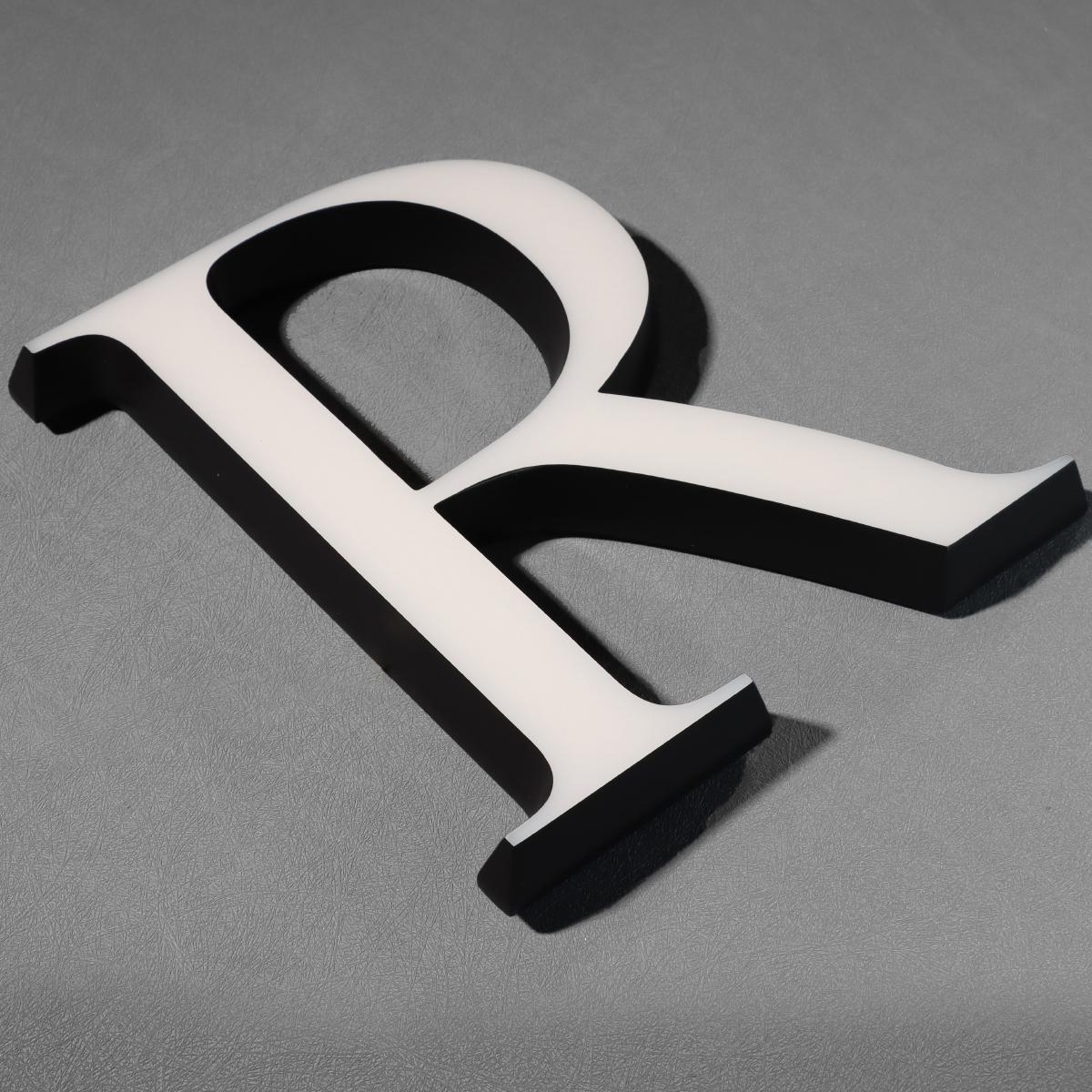
Decisions about face material, diffuser thickness, and power electronics affect both visual quality and service life. Acrylic faces are lighter but scratch more easily; polycarbonate resists impact but yellows under poor UV management. LED module selection is a balance between luminous efficacy and serviceability—higher efficacy reduces energy bills, but proprietary modules can lock you into long lead times. Consider an IP-rated driver and a modular harness that keeps electronics accessible without compromising weather protection.
Evaluation metrics and golden rules
Three practical metrics help you choose the right approach: 1) Mean Time to Replace (MTTR): aim for under 20 minutes for a module swap on standard blades. 2) Parts commonality: target 70% or more shared components across a rollout. 3) Energy and durability: verify LED efficacy and an IP rating appropriate for the location—higher ratings for busy urban streets. Measure these before you sign contracts; they predict real savings on service and deployment.
For sign programs that must move fast and stay reliable, the right blend of modular hardware, standardized connectors, and clear field documentation solves more problems than cosmetic tweaks. For teams looking to accelerate both installation and maintenance while keeping consistent quality, consider how a proven partner fits these rules—Cosun Sign. –