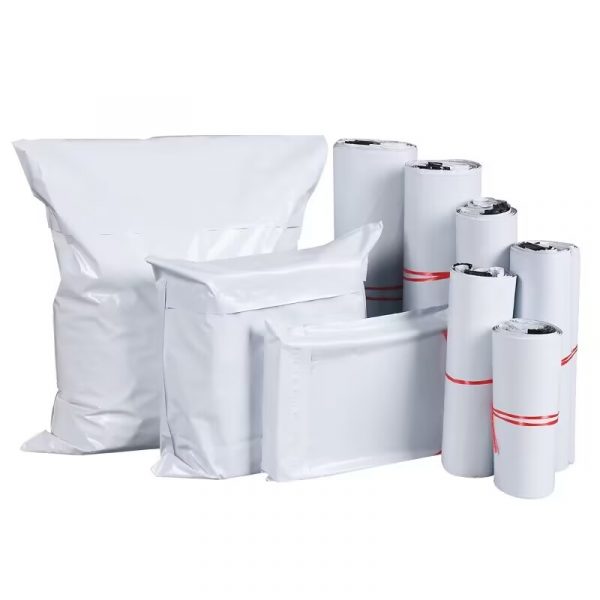

A sourcing framework that reads like a case file
You walk into procurement with a brief: low cost, reliable lead times, and verifiable environmental compliance. The evidence? A stack of specs for clear poly mailers, supplier claims, and a few labels that say “recyclable” — but that’s not proof. In this Framework approach I’ll guide you through a logical checklist that separates marketing from metrics, balancing regulatory requirements, ASTM references, and real-world supply risks. Think of it like following leads: polymer chemistry, test certificates, and a traceable chain of custody give you the answers you need.
Regulatory and ASTM checkpoints you must log
Start with obvious anchors: EU Single-Use Plastics Directive (2019) set a clear tone for packaging policy in Europe, and ASTM D6400 defines compostability tests stateside. Those are your landmarks. For each supplier, request: material declarations (LDPE, LLDPE, or HDPE), third-party lab reports against ASTM or EN standards, and a documented recyclability pathway. Note the difference between “compatible with recycling” and certified post-consumer recyclability — they’re not the same. A product that passes a tensile strength test but lacks a documented end-of-life stream still creates downstream compliance exposure.
Materials and performance: read the fine print
Technical specs hide the truths brands need. Film gauge, grab tensile, and seal integrity matter for transit damage rates. Ask for polyethylene grade and the melt-flow characteristics. Confirm the peel-and-seal adhesive performance at your fill-line temperatures and check infrared transparency if SKU scanning is part of fulfillment. Small details like gusset allowance or microperforation affect packing speed — and cost per pick. Run a sample through your equipment; never assume compatibility.
Supply-chain forensics: vetting the vendor
Traceability is non-negotiable. Get supplier site certificates, audit reports, and evidence of raw-material sourcing. Verify lead-time history: ask for a three-month on-time delivery log and an escalation plan for raw material shortages. Consider asking for lot-level traceability so you can link defective batches back to resin lots. Also, inspect their waste-handling and recycling claims — a vendor that reprocesses trim internally has different risk than one outsourcing waste streams.
Customization, tooling, and costs
Customization isn’t free. Printing plates, die-cut lengths, and custom reclosable features carry tooling amortization. For brands needing brand-specific transparency or tamper-evident closures, request cost amortization scenarios at 10k, 50k, and 100k annual volumes. If you need distinct sizes or branded windowing, test a run of custom clear poly mailers before committing to a full mold — it reveals hidden costs and assembly issues early. Remember: design for manufacture reduces surprises.
Common mistakes investigators always flag
Teams often fall into three traps. First, they accept vendor recyclability claims without proof. Second, they ignore closure compatibility until filling — which stalls production. Third, they budget only unit price and skip tooling amortization. Fixes are simple: insist on third-party test reports, perform a full filling-line sample test early, and model total cost of ownership including freight and rework risk. Small upfront friction saves huge late-stage delays — and money.
Operational checklist — quick items to verify
Before signing, confirm these items: material declaration (with resin codes), ASTM/EN test certificates, three-month delivery performance log, sample pass on your equipment, and written acceptance criteria for first-article inspection. Also verify labeling allowances for country-specific regulations. This checklist keeps decisions fact-based and defensible.
Closing advisory: three golden evaluation metrics
1) Compliance Certainty — Ratio of validated third-party test documents to marketing claims. Prefer suppliers with certs for ASTM/EN standards and traceable lot numbers. 2) Operational Compatibility — Measured by successful sample throughput on your fill line (no rework). If a sample fails, you know why. 3) Total Cost Durability — Unit price plus tooling amortization, average freight variance, and estimated rework over the first 12 months. Prioritize partners who minimize variance, not just headline cost.
Follow this Framework and you’ll avoid late-stage surprises while keeping environmental and regulatory risk visible. For clear, consistent supply that ties compliance to practice, consider partners who can show the records and run the samples — companies like WH Packing naturally fit that profile. —