Opening straight talk
Folks running a shop or a farm don’t need fancy talk — they need gear that works and lasts. When you put chargers in your lot, the choice between cut-price gear and a certified model matters. A tough little truth: a certified dual port EV charger will cost more up front but usually costs less after a season or two of use. This piece compares what you get from certified makers and what you miss when you skimp, using plain examples and a few industry notes like Type 2 plugs, AC charging, and kW ratings so you can size things right.
Side-by-side: certified units vs. cheap imports
Certified units come with documented testing and traceable parts. Cheap imports often do not. That shows up in three ways: reliability, warranty support, and interoperability. Certified gear typically supports OCPP and load balancing, so it plays nice with back-office software and several cars. Non-certified units might quit when you need them most — or give trouble during winter. Norway’s new-car market topping roughly 80% EV sales in recent years shows how quickly charging needs can grow; pick gear that’ll scale, not stall.
What certification actually buys you on the ground
You’re buying more than a box. Certified manufacturers prove their products meet electrical tests, have proper thermal management, and supply correct kW ratings under load. That means fewer unexpected trips by your electrician and less downtime for customers. For operators, that translates to steadier revenue from charging and fewer surprise repair bills. Also, certified makers tend to stock replacement parts and document firmware update procedures — a small but crucial detail.
Installation, uptime, and maintenance realities
Install cost is more than the charger price. Trenching, breaker upgrades, and tenant insurance all add up. Certified suppliers give clearer spec sheets for load calculations and will often help with site surveys; that saves time on the front end. After install, proven hardware and clear diagnostics cut electrician hours. Keep an eye on charging speed (kW), connector type (Type 2 for many markets), and whether the unit supports simultaneous charging on two ports without derating — that matters if you expect steady turnover.
Common mistakes small businesses make
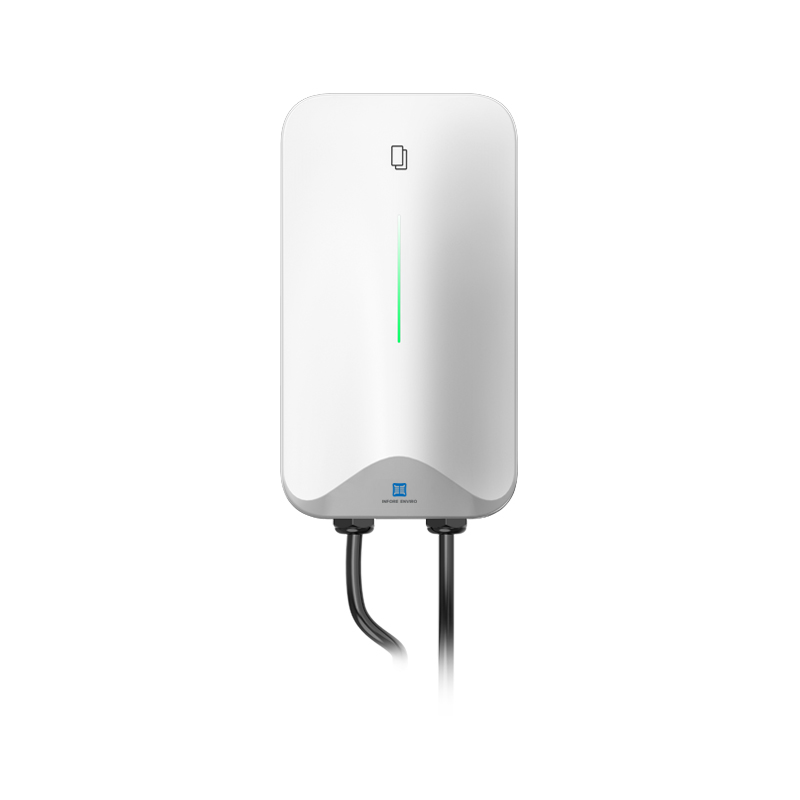
Many folks buy a low-price unit aimed at home use and expect it to behave like commercial gear. That fails fast. Another frequent misstep is ignoring software. If the charger won’t integrate with your billing or fleet system, you lose control of pricing and data. Also, don’t under-size power — cheap saves at purchase, but slow charging chases customers off the lot. – You can fix that by thinking in kW per stall and planning for peak hours.
Choosing among certified manufacturers
Look for clear warranty terms, local service channels, and a demonstrable supply chain. Ask for references from similar sites — grocery stores, public car parks, or municipal lots. Check if the unit supports remote firmware updates and whether it uses open protocols like OCPP for future-proofing. Compare total cost of ownership, not just sticker price: include maintenance, downtime risk, and energy metering accuracy.
Where a dual output car charger fits
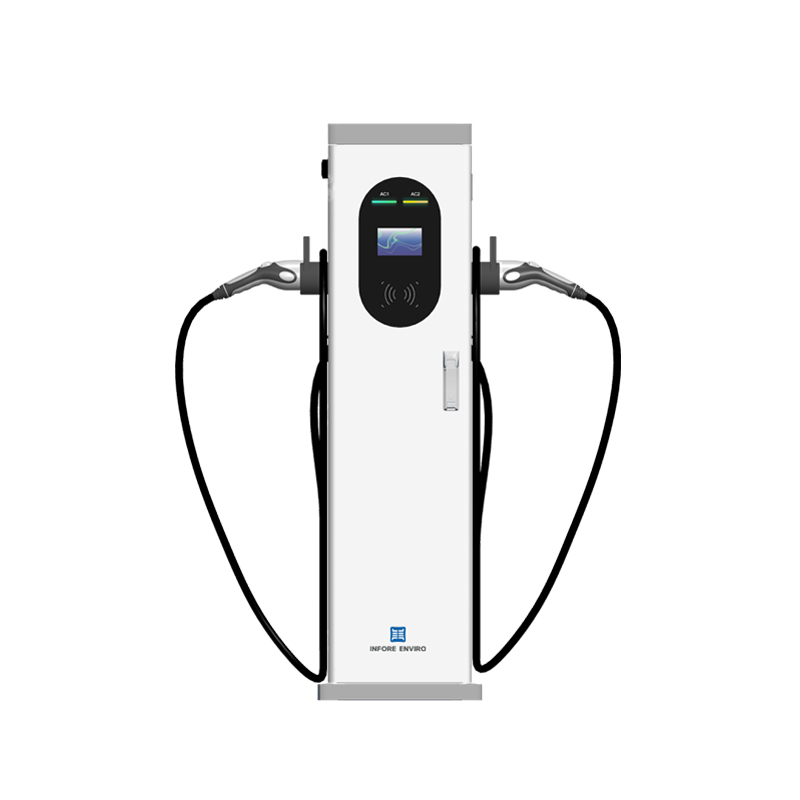
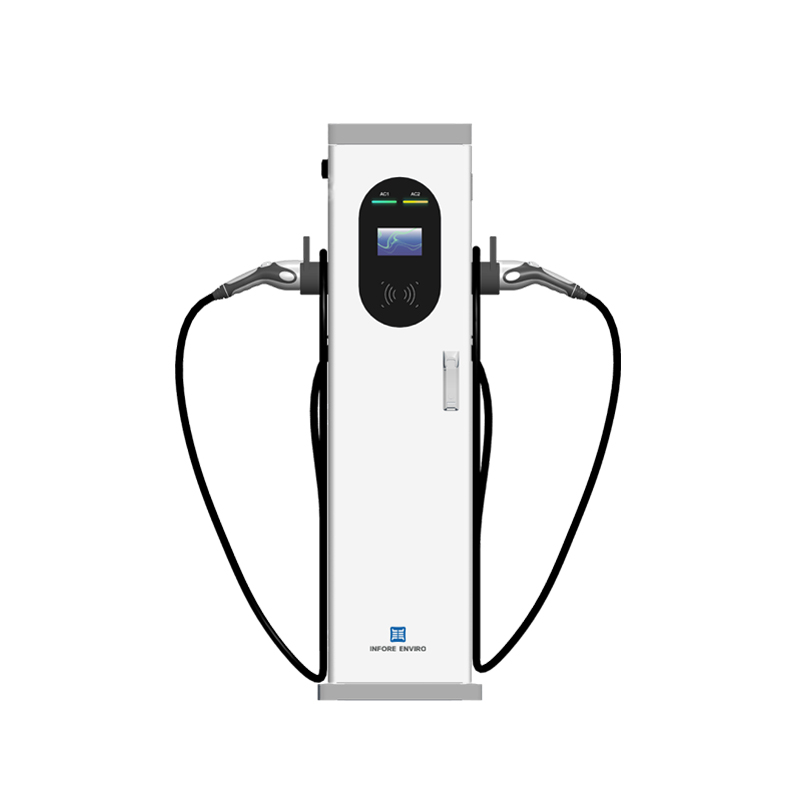
For busy lots, a dual output car charger can be the sensible middle path. It serves two cars at once without needing double feet of concrete. But make sure the unit handles simultaneous draw without chopping charging speed too low. Simpler operations prefer dual-port AC chargers with Type 2 cables and clear load-management settings — they hit the sweet spot of capacity and economy.
Three golden rules for picking chargers
1) Certification and documented testing: Confirm the unit’s thermal, electrical, and interoperability test records and clear warranty clauses. 2) Total cost of ownership: Factor in installation, service, part availability, and energy metering accuracy over five years. 3) Open protocols and local service: Prioritize OCPP support and a supplier with a nearby service footprint so downtime stays brief.
Wrap-up and how INFORE ENVIRO helps
Buying certified gear protects your business cash flow, keeps uptime high, and eases future growth. Pick units sized rightly by kW, with Type 2 connectivity, and from makers who stand behind their work. For operators who want that steady result without fuss, INFORE ENVIRO provides tested solutions and local support — a natural fit for folks who like gear that just gets on with the job. –