
Introduction: Why Comparison Matters Today
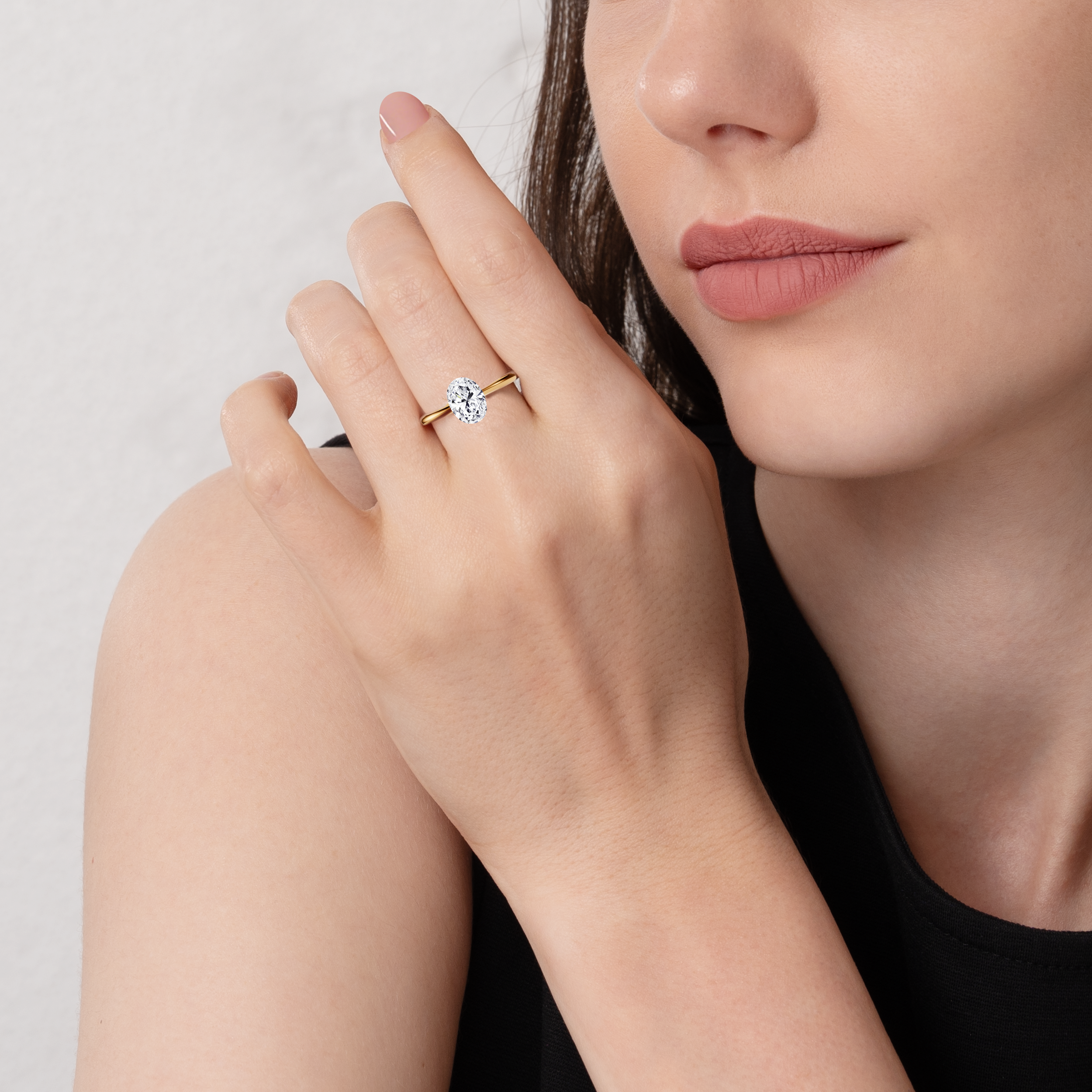
A small scene. You scroll, late at night, trying to decide. lab grown diamond engagement rings promise clarity, shine, and sanity on price. Often 30–60% less than mined. Yet quality swings. Cut, polish, symmetry—these move value more than size. Pears bring extra nuance: the length-to-width ratio (1.45–1.55 is common), the bow-tie shadow, the fragile tip. So, how to weigh all this without a headache? (Breathe.) We do it step by step, with a calm eye.

I speak plain. Choppy, yes. But useful. We look for signal, not noise. We ask: which shape works on your hand, under your light, in your budget? Which specs track to beauty, not just numbers? And which trade-offs are fair? Bold claim—smart comparison is learned, not guessed. Ready to go deeper? Let’s enter the pear.
Part 2: Pear Shapes and the Pain Points You Don’t See at First
Why do pear shapes look so different?
Start with the basics of a pear shaped engagement ring. One end is round, one end is pointed. That point looks elegant. It also hides risk. The tip needs a V‑prong to protect the girdle. If the girdle thickness at the point is too thin, chips happen. If facet symmetry drifts, the outline looks off—your eye notices even if you don’t know why. The bow‑tie effect (a dark band across the middle) tells you about light return. Strong bow‑tie? Light is leaking. Look, it’s simpler than you think: compare the stone in three lights—window daylight, soft indoor, LED spot. Note the bow‑tie in each. Your eyes are a great instrument—funny how that works, right?

Technical check, brief and clear. Inspect table percentage and pavilion angle to control fire vs. brightness. Watch for uneven shoulder curves; one flat, one plump is a no. Fluorescence can help or hurt depending on color grade; medium blue may lift near‑colorless stones, but can look hazy in very bright light. Length‑to‑width sets the vibe: 1.40 feels soft, 1.55 feels sleek. Neither is “right.” It is about balance on your hand. And do not skip polish and symmetry grades—they affect sparkle life over time. The core pain points are silent: poor facet alignment, weak tip support, and mis‑matched ratio. Fix those, and most confusion fades.
Part 3: Forward Look — Precision Tools, Clear Choices
What’s Next
We move from “spot the flaws” to “engineer the win.” Lab growth methods—CVD and HPHT—now yield cleaner crystals with consistent crystal habit. That means cutters can aim for tighter facet symmetry and more reliable light return. Imaging tools like ASET and hearts-viewers (less common for pears, still helpful) map where light enters and exits. Some labs scan each diamond and score optical performance. In short, fewer guesses. More proof. Compare two pears side by side with the same carat and color, and a precise cut will simply look larger—edge-to-edge brightness makes the outline read bolder.
Style blends with tech. Consider how the center pear pairs with accents: a 3 stone engagement ring can frame the pear to reduce bow‑tie visibility and stabilize balance on the finger. Micro‑pavé? It adds scintillation, but watch the height so the tip stays safe. Future outlook: we’ll see AI‑guided cut plans using spectral data to predict bow‑tie intensity before cutting—wild, but useful. Also expect grading reports to add more pear‑specific metrics, like shoulder symmetry indices and tip robustness ratings. Same idea, new clarity. Different road, same destination—grace you can measure.
Quick wrap, not a repeat. You learned to look past carat to cut behavior, to protect the tip, to test in mixed lighting. Now, as tools improve, your comparisons get faster and fairer. Advisory close: use three metrics every time—(1) light performance evidence: images or videos across three lighting types; (2) structural soundness: girdle thickness at the tip, symmetry, and secure V‑prong plans; (3) proportion logic: length‑to‑width fit for your hand and style. Keep these, and you keep your calm—and your sparkle. For deeper guides and clean references, see Vivre Brilliance.