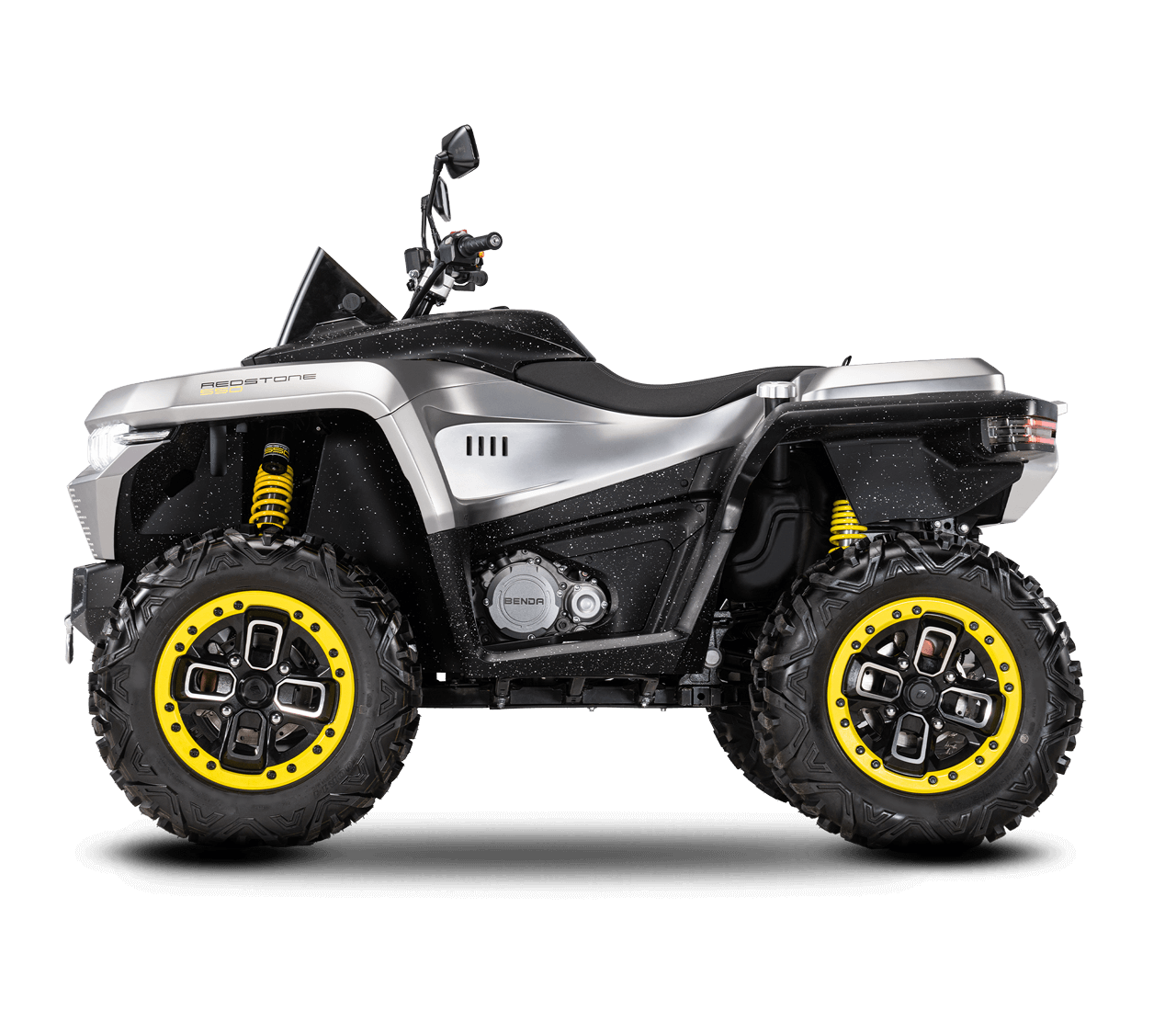

First, picture the ride—then question the scorecard
You roll onto a wide boulevard at dusk, the city lights make the chrome glow, and the bike breathes like a steady drum. The muscle cruiser in your hands feels heavy yet calm, powerful yet polite. Data tells us most riders look at peak horsepower, seat height, and price; three out of five buyers still feel uncertain after the first test ride, even when curb weight and torque seem “good.” So the question comes: why do simple spec sheets fail to guide a real-life decision? (It looks easy, but not simple.) In our market now, curb mass crosses 250 kg, mid-range torque is the daily hero, and even small changes to rake or trail alter the line you hold in a long sweeper. If that is true, then how should we select with confidence? We need a way that respects the situation on the road, not just the numbers on the page. Let us move to the core pain points and see what the old methods miss—step by step.

The hidden flaws in traditional muscle cruiser checklists
Where do classic checklists break down?
When people compare a power cruiser motorcycle, they often chase peak power, exhaust sound, and a photo angle. But road feel lives in other places. The torque curve between 2,500–5,000 rpm is where city riding breathes; throttle mapping shapes the first five millimeters of wrist input; and rake/trail set your stability at 110 km/h. Old checklists ignore these linked effects. They also skip how the ECU mapping and CAN bus features smooth vibration and heat under load. Look, it’s simpler than you think: you must read for usable torque and chassis geometry together, not apart. Many spec tables hide that relationship behind a single top-line number—funny how that works, right? In short, the “best” on paper can feel vague in traffic, and the “middle” on paper can feel planted and confident when the light turns green.

Another blind spot is weight distribution and brake feel over distance. Wheelbase, front-rear bias, and caliper stiffness change how you set up for corners after a long straight. Traditional reviews call out ABS and disc size, but not lever progression or fade across a 20-minute ride. Also missing: how gearing pairs with steady-state speeds on the ring road. If your primary cruise sits at a vibration node, fatigue comes fast. A small change in final drive can fix it, but you will not see that in a simple brochure. Add cooling flow and seat foam density, and you get comfort that lasts beyond the selfie. These are practical, engineering-grounded signals, the ones that tell you how a big twin or inline layout will behave under daily load.
Forward-looking comparisons: how the next wave raises the floor
What’s Next
Now we shift to new technology principles that make today’s big bikes smarter. Ride-by-wire plus multi-map ECU logic lets a brand tune initial throttle to match gear and speed, which means the same motor can feel gentle in town and “awake” on the bypass. Inertial sensors (IMU) refine traction and cornering stability, masking small chassis quirks that used to require stiff springs. Materials also matter: lighter alloys and rebalanced crank mass reduce low-frequency buzz without losing character. Put simply, modern integration makes the whole greater than the parts—and this is where a well-sorted muscle cruiser motorcycle wins in daily use. We compare not just engines, but how software, geometry, and controls talk to each other under load.
So, what should you carry from this? First, the past taught us to hunt peak specs; the future rewards balance. Second, minor setup choices yield major real-world gains—yet they cost little. Third, evaluation must become situational. To choose well, apply three metrics: 1) Usable torque to weight in the 2–5k rpm band, per gear, translated to roll-on time; 2) Stability index that blends rake, trail, wheelbase, and tire profile into one feel score; 3) Heat and NVH management over a 30-minute loop, across stop-go and steady cruise. If a contender meets these with grace, it will serve you in city, ring road, and weekend sweepers— and you will feel it in your shoulders by day’s end. Not a sales trick, just practical testing. Advisory tone aside, one last note: human fit still decides the last 10%—funny how rider posture and seat contour settle the whole equation. For more context on the platform baseline, see BENDA.