

Introduction
I remember watching a maintenance crew replace a valve in a dim workshop — sparks flew, and for a moment everyone froze. Studies often report that 20–30% of near-miss incidents in flammable environments involve tool-induced sparks, so this is not trivial. In many facilities we have turned to non sparking tools to reduce risk and keep operations steady, yet questions remain: how do we upgrade without slowing production or losing confidence? (It is a common concern among site managers—especially in Asia.)
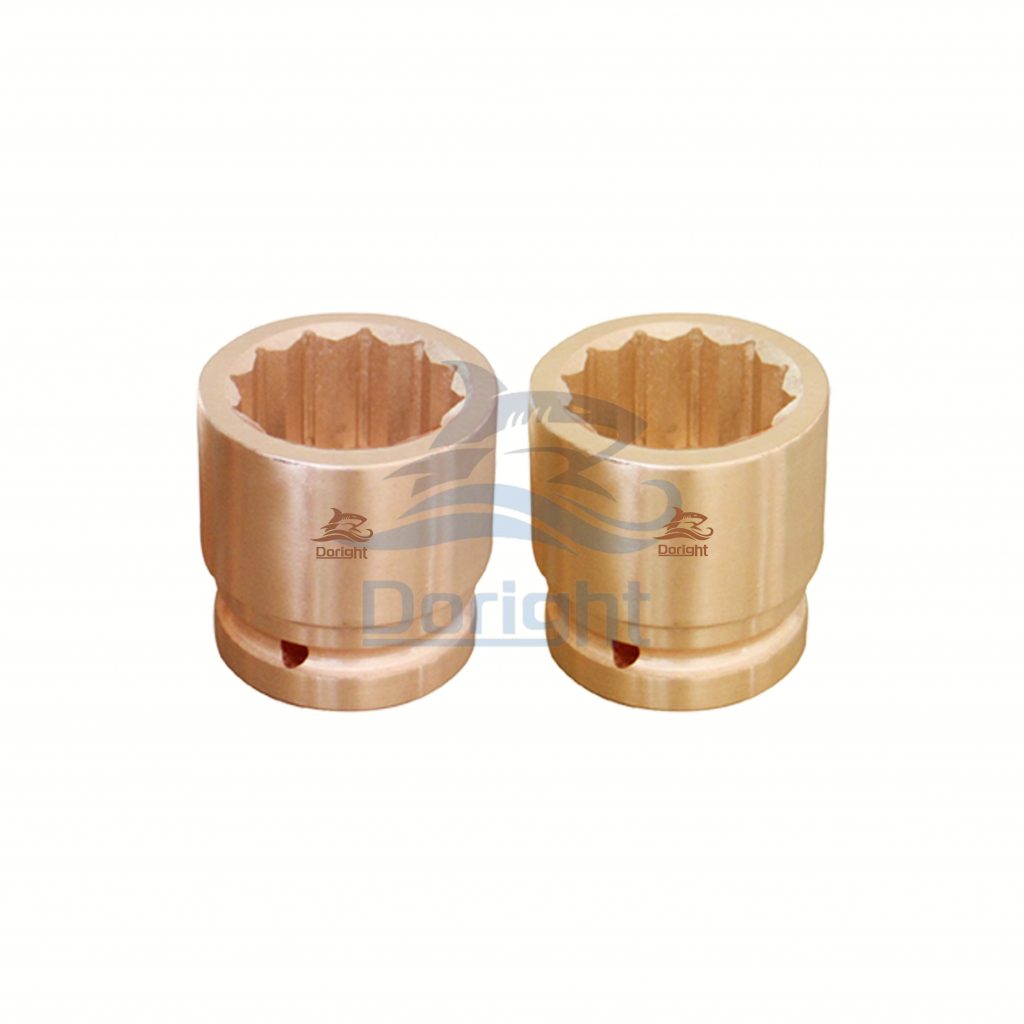
In this article I will walk you through practical, worker-focused steps. I write from hands-on experience and a few lessons learned the hard way. Next, let us look carefully at where traditional methods fail and what hidden problems workers actually face.
Why Traditional Solutions Often Fall Short
non spark tools are marketed as the quick fix, but I have seen several gaps when teams try to rely on old habits. Technically speaking, many standard conversions ignore material compatibility and the realities of on-site use. For example, using non-ferrous alloys like aluminum bronze can reduce sparks, yet if the tool lacks proper corrosion resistance or the right hardness, it wears fast and creates other failures — funny how that works, right?
What goes wrong?
First, training is often minimal. Workers keep striking their routine — wrong angle, too much force. Second, certification confusion: ATEX or IECEx labels are misunderstood, and grounding practices are inconsistently followed. Third, procurement focuses on price, not lifecycle cost. I have to say: Look, it’s simpler than you think — prioritize usability, not only specs.
From an engineering view, intrinsic safety is not only a label; it requires understanding tool geometry, non-magnetic properties, and contact behavior under load. Industry terms matter here: intrinsically safe design, non-ferrous alloys, and ATEX compliance are not just buzzwords. When these elements are overlooked, you get false confidence and recurring incidents. We must ask: are we solving the symptom (spark) or the workflow that causes it?
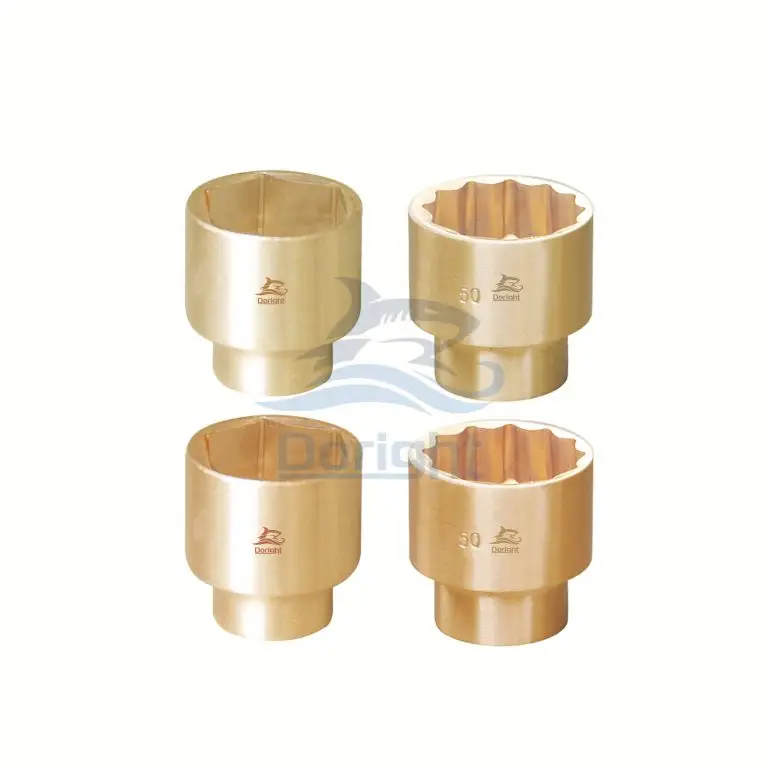
New Principles and a Forward-Looking Approach
Moving forward, I favor a principles-first method. Start by testing tools in real tasks, not just lab drops. Modern designs combine material science (aluminum bronze, beryllium-free alloys) with ergonomic design and clear marking for maintenance. This is where edge practices like predictive maintenance and simple inspection checklists help — they link tool performance to human routines. Also, integrate spark resistant hand tools into your routine checks; small habit changes yield big safety improvements.
What’s Next?
Practically, adopt three evaluation metrics before you buy: (1) real-world durability under expected load, (2) certification plus clear user guidance, and (3) total cost of ownership including replacement frequency. Measure those and you will see the difference in downtime and worker confidence. I’d add: involve technicians in trials. They will tell you what works in five minutes of use — invaluable feedback.
To close, remember that choosing safer tools is both technical and human. Evaluate ergonomics, materials, and certification — and listen to your team. I’ve watched small changes prevent big incidents, and I believe these steps are repeatable across plants. For trusted supply and more options, consider Doright.