
Introduction
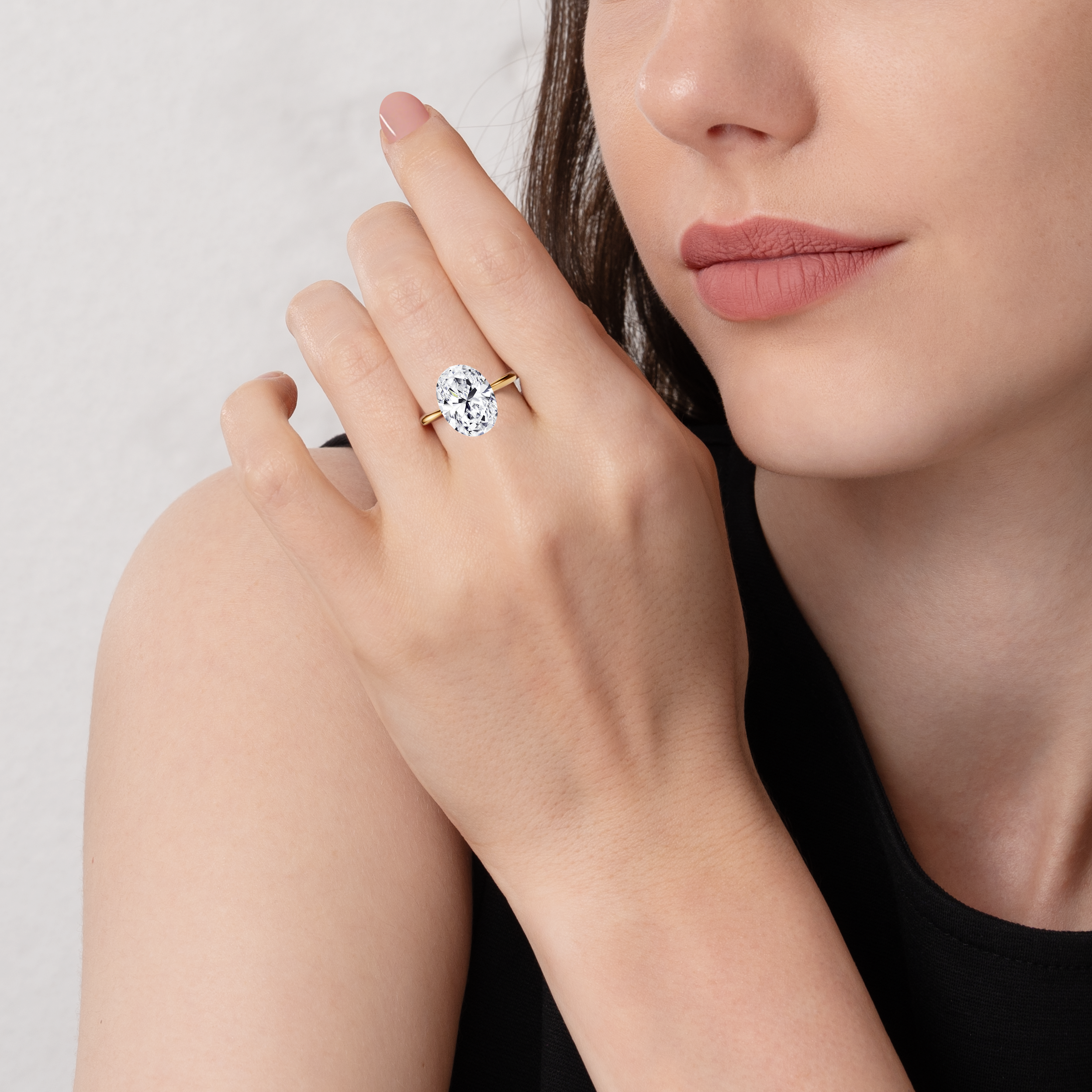
A chill evening on Princes Street, a couple pause at a window, eyes caught by a ring that seems to glow on its own. Lab grown diamond engagement rings have made that window brighter, and more within reach. Recent trackers hint that halo styles are rising in the UK by a healthy clip, and shoppers say the added shimmer feels like “more diamond for the money.” Yet I’m asked, time and again, if the halo makes real optical difference or if it’s theatre. In Edinburgh fashion—measured, aye, but clear—here’s the rub: micro‑diamonds can boost perceived surface light, but they do not change the core light return of the centre stone. The data says the centre’s cut quality and facet symmetry still drive brilliance. So where does that leave you when budget, taste, and daily wear meet (aye, a wee treasure hunt)? Let’s frame the questions, set the scene, and test the claim—properly.

We’ll start with what is seen, what is measured, and what actually sparkles under life’s not‑so‑perfect lighting. Then we’ll move into the trade‑offs that often hide in plain sight.
Part 2: The Hidden Friction Behind Halo Sparkle
Where does the sparkle really come from?
When people choose halo engagement rings, they want a larger “light footprint” on the hand. Look, it’s simpler than you think: a halo adds many tiny facets around the centre, so you see more scintillation at a glance. But the centre diamond’s cut—table size, pavilion angle, and facet symmetry—still governs true brilliance and fire. With lab‑grown diamonds (HPHT or CVD), the refractive index is identical to mined stones, so physics doesn’t change. The pain point is subtler. Micro‑pavé halos use very small prongs that can snag. Dirt builds fast between melee. Fluorescence mismatch can make the halo look cooler or milkier than the centre under UV. And maintenance? More solder joints mean more check‑ups—funny how that works, right?

Another blind spot: color harmony. If your centre is near‑colorless but the halo melee skews a grade lower, the eye reads a faint frame that dims the centre. Over time, oils dull the tiny stones first, so your “sparkle lift” fades between cleanings. Light leakage also hides in plain sight; if the centre lacks strong light return, a bright halo only raises contrast at the edge, not at the heart. That contrast can be striking in shop lights, less so in a cloudy morning’s glow. The result is a ring that looks busy rather than bright. Technical note: ask for consistent melee color and excellent polish; both shape the halo’s optical blend with the centre.
Part 3: Looking Ahead—Principles That Make Halo Shine Smarter
What’s Next
The forward path is less about style labels and more about how parts work together. New cutting analytics—simple ASET images, tighter crown angles, and improved facet indexing—are helping the centre stone carry the load while the halo frames, not fights, the light. Compare that to a clean engagement ring with bezel setting: the bezel protects the girdle and contains glare, giving a calm, modern glow. A halo, by contrast, amplifies edge scintillation. Neither is “better” in all cases; they follow different principles. If you prioritize high contrast sparkle in mixed light, the halo wins. If you want a sleek silhouette that laughs at scarves and jumpers (and pockets), a bezel keeps its shape, day in, day out.
In practice, the best results pair a well‑cut centre—strong light performance, tight symmetry—with a halo whose melee match in color and fluorescence. Channel‑set halos reduce snag risk, while micro‑u pavé trades durability for extra flash. Think of it as a system: centre brilliance first, then frame. If you lean minimalist, the same system logic points you to a bezel: protect the girdle, control light, keep maintenance low. And if you fancy both worlds, a thin halo with a modest table percentage can look airy, not bulky—balanced, like a good tune in a quiet pub.
Advisory close: three checks make choices clear. 1) Light metrics: ask for ASET/IdealScope or a clear cut diagram; strong light return beats showroom glare. 2) Maintenance load: assess pavé density, prong size, and cleaning ease; more joints mean more care. 3) Structural integrity: check girdle exposure, seat depth, and finish quality; a bezel shields, a halo needs sturdy micro‑prongs. Measure these, and style becomes a preference, not a gamble. For neutral guidance on the details and how they play together, see Vivre Brilliance.