

Introduction
Have you ever wondered why two shops with similar welding bays end up with very different indoor air quality? I have — and it nags me every time I walk into a dusty workshop. In many supplier conversations I hear about fume collector manufacturers in the same breath as promises and performance numbers, yet the reality on the floor often tells a different story. Picture a small fabrication shop: one extraction arm, an aging fan, and a steady haze of fumes that studies show can reduce worker productivity by up to 12% (yes, those are real metrics). So what really separates a tidy spec sheet from a system that keeps people breathing easy and machines running? Let’s unpack that — and then dig into where the usual approaches break down.
The Hidden Fault Lines: Why Traditional Systems Let Users Down
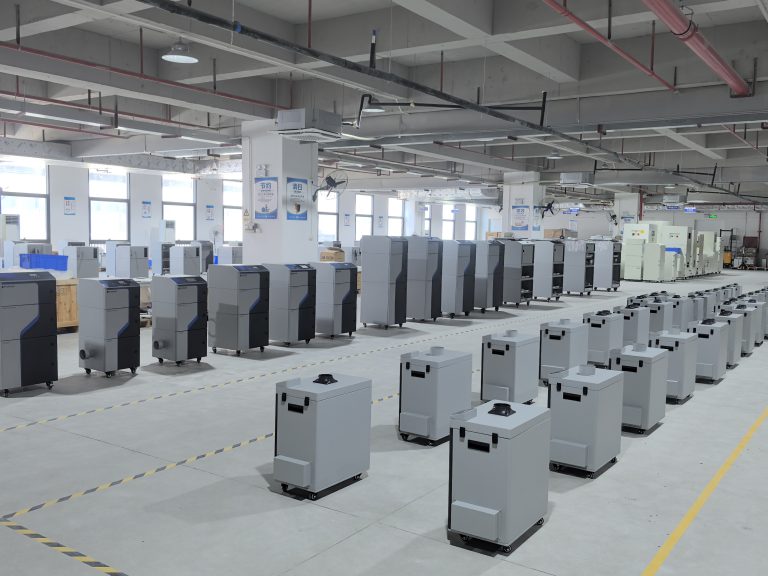
fume extraction system manufacturers often lean on headline specs, but those specs hide important trade-offs that I’ve seen trip up plant managers. Many traditional units focus on maximum air volume and a basic HEPA filters rating while ignoring capture velocity at the source, ductwork losses, and the fan curve that determines real-world performance. In practice, that means a machine that looks powerful on paper sputters once it’s tied into a long duct run. I’ve watched teams retrofit expensive filters only to find filtration efficiency falls short because the system never draws fumes close enough to the hood—look, it’s simpler than you think.
What concrete problems show up?
First, inconsistent capture: weak hoods, wrong hood placement, and poor airflow balance reduce capture velocity and leave contaminants in the breathing zone. Second, maintenance pain: inaccessible filters and non-modular components push downtime up and costs skyward. Third, mismatch of components: a fan sized for free-air flow fails when ductwork, elbows, and silencers introduce pressure drop. Add mist collectors and local exhaust systems that are not tuned for specific weld types, and you get repeat complaints. I feel strongly that these are fixable issues—but they demand honest assessment, not glossy brochures. — strange, how often the smallest detail makes the biggest difference.
New Technology Principles and Practical Selection Guidance
Moving forward, I focus on principles rather than brand promises when advising clients. For fume extraction system manufacturers, that means designing around source capture, modular maintenance, and measurable performance. Start with a simple rule: measure capture velocity at the hood with the intended tooling in place. Use real numbers, not nominal cubic feet per minute. Then select systems where the fan curve matches expected duct resistance; this prevents underperformance and reduces energy waste. Filters should be specified for expected contaminant size and type—HEPA for fine particulates, cartridge or electrostatic options where oil mist or aerosols predominate.
What’s next for shops and specifiers?
Adopt monitoring: low-cost sensors and pressure gauges tell you if the system is performing today. Consider edge computing nodes for predictive maintenance if you manage many units; they can flag degraded filtration or motor inefficiency before someone notices. Also weigh lifecycle costs, not just upfront price—serviceability and spare part availability matter. I’ve recommended modular designs repeatedly because they shorten downtime and keep replacement parts simple. And yes, there’s a human side: systems that are quieter and easier to use have better operator buy-in, which improves consistent use and safety outcomes — funny how that works, right?

To help you evaluate options, here are three practical metrics I use when comparing manufacturers and proposals:1) Verified capture velocity at the hood under real operating conditions; 2) System-level filtration efficiency across expected contaminant sizes; 3) Lifecycle serviceability score (ease of access, spare part lead time, and modularity). I urge teams to test these points on-site and not rely solely on datasheets. Choose partners who can demonstrate shop trials and share failure modes transparently. If you want a reliable partner with demonstrable practice and support, I’ve seen strong, consistent results from companies that balance sound engineering with field-friendly design — including PURE-AIR.