

Introduction — a quick scene, a fact, a question
Have you ever stood on a shop floor and felt the hum of machines and wondered which choice will actually move the needle for your team? I watch operators, managers, and small owners weigh options and I keep hearing the same gap: the practical trade-offs are not clear. CNC turning and milling machine tools sit at the center of many of those debates (from setup time to throughput), and recent data shows shops that standardize on smarter cells cut lead times by roughly 20–30%. So what really matters when you choose a machine — cost, cycle time, or long-term flexibility? I want to walk you through this with a parent’s patience: simple steps, solid facts, and a judgment I stand behind. — let’s take the next bit slowly and see what really breaks down in the choices ahead.
Why current options miss the mark
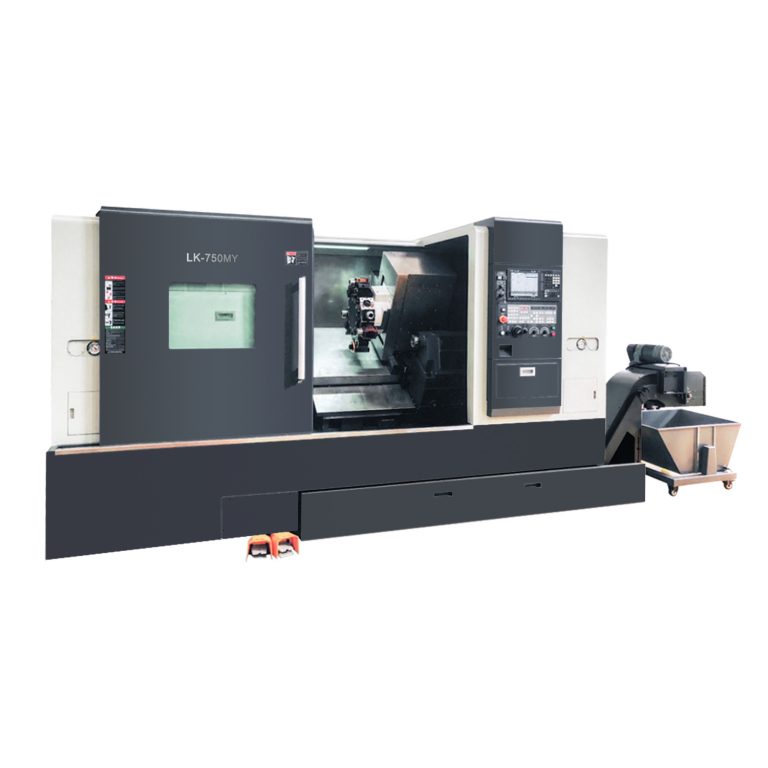
mill turn machine manufacturers promise one-stop solutions. Yet when I dig into shop-floor reality, I find persistent gaps in tooling strategy, control integration, and maintenance planning. The classic single-spindle lathe or basic mill looks cheap on paper, but its hidden costs show up as extra setups, increased cutting forces, and frequent tool changes. In short: the math rarely adds up unless you factor in the real variables. I’ve seen setups where the tool turret is swapped three times in a shift; downtime that would have been avoided with better spindle speed control or a properly sized servo drive — and suddenly the low-cost machine no longer looks cheap. Look, it’s simpler than you think: upfront price is only one slice of the pie.
What exactly breaks under load?
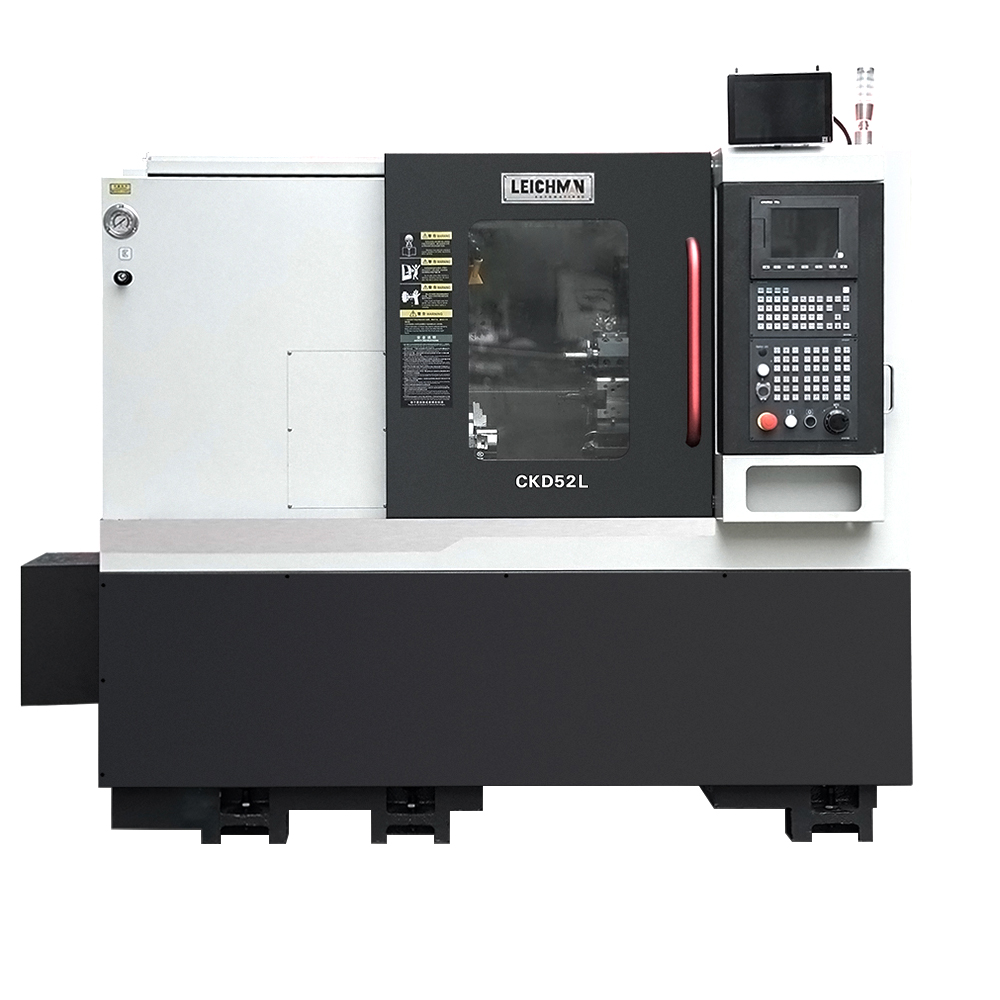
Technically speaking, three main flaws repeat across the field. First, poor dynamics: machines with weak servo drives and slow axis response amplify chatter and wear. Second, tooling mismatch: wrong inserts and tool holders raise scrap rates. Third, integration shortfalls: controls that don’t support efficient toolpath synchronization or C-axis indexing cause longer cycle times. I judge these as avoidable problems. We can do better by asking the right questions when vetting vendors — questions that go beyond specs and into real-process testing (short trials, quick changeover drills). — funny how that works, right?
Where new tech moves the needle
Now let’s look forward. I favor principles that emphasize resilient design and smart control — not just glitzy features. The next wave centers on adaptive control logic, improved thermal compensation, and modular tooling systems. When a cnc heavy duty lathe is paired with adaptive feed control and a modern tool magazine, you see fewer stoppages and steadier surface finish. I’ve watched shops cut manual adjustments in half simply by tuning the control to match cutting forces in real time (yes, really). These principles reduce variability and free up skilled people to solve bigger problems.
What’s next for adoption?
Practically, I advise running small, focused pilots. Test one part family on a machine equipped with live spindle monitoring and an integrated coolant system. Measure cycle time, tool life, and changeover time. Compare those results to your current baseline. Repeat. Over several runs you will spot trends — thermal drift, spindle load spikes, or tool wear patterns — that a quick demo won’t reveal. The takeaway: invest in smart metrics, not promises. If you do this, you’ll be comparing apples to apples and making choices that matter.
Closing — three metrics I use to choose for my shop
I’ll finish with practical advice I actually use when evaluating machines. These three metrics keep me honest and help teams make clearer buys: 1) Effective Cycle Time: measure total time from part load to part ready, not just cutting time; 2) Process Availability: percent of scheduled time the machine produces acceptable parts (includes changeovers and minor stops); 3) Cost per Good Part: total ownership cost divided by good parts over a defined run (include tooling, power, maintenance). Track these for a month and you’ll see which models perform in your reality.
Weigh those metrics, run short pilots, and listen to operators — they’ll tell you the truth about setup pain and hidden waits. I’ve seen conservative choices produce big wins when backed by data and a willingness to tune processes. For trustworthy hardware and support, I often point teams to proven suppliers who stand behind their equipment and who will test your parts. In my experience, that practical path yields the best results. Leichman