

Practical opening: why CRB efficiency matters for buyers
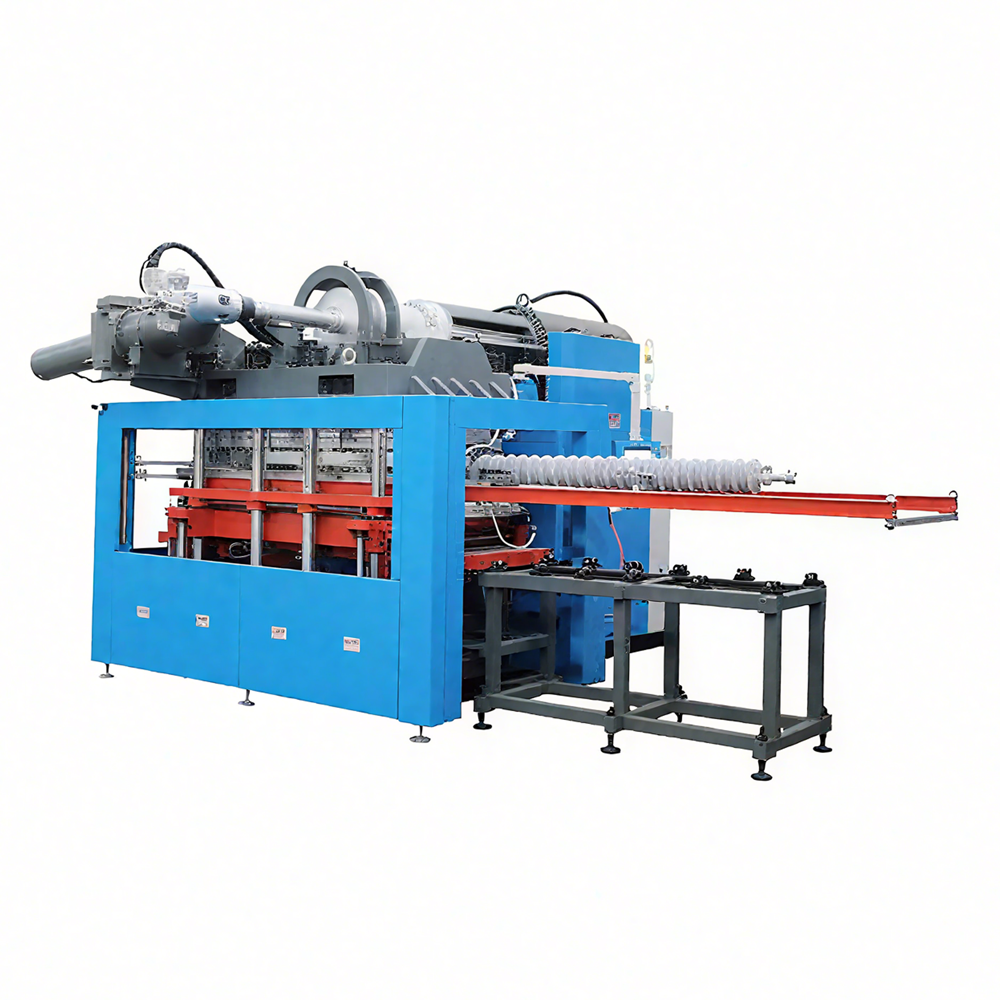
For procurement teams deciding between C-frame rubber injection moulding options, the cold runner block (CRB) often separates a cost-effective purchase from a poor long-term fit. A clear comparison across cycle time, material scrap, and maintenance burden helps buyers choose machines that keep production steady. Manufacturers evaluating models like the vertical rubber injection molding machine should prioritise CRB performance as a primary filter before deeper technical review.

Comparative framework: what to measure first
Compare machines on three interlinked measures: reproducibility of shot size, average cycle time under rated clamp force, and downtime related to CRB maintenance. Shot-to-shot consistency affects final part tolerance; clamp force determines how reliably mould halves seal; and CRB maintenance intervals dictate lost production minutes. These measures give procurement staff a straightforward matrix for shortlisting suppliers.
Design differences that change operational costs
Cold runner blocks come in varied designs: modular blocks that allow quick plate swaps, integrated blocks with fewer seals, and heavy-mass blocks that stabilise melt temperature. Each design trades off initial price against serviceability and waste. For example, modular blocks cut replacement time but may increase parting lines; integrated blocks reduce potential leak points but make on-site repairs longer. Consider the end-use: low-volume specialty seals favour quick-change blocks; high-volume automotive parts favour robustness and thermal stability.
Real-world anchor and local context
Kenyan small-batch rubber processors around Konza and Nairobi report that frequent CRB servicing is the main driver of unplanned downtime. ISO 9001-aligned operations tend to favour designs that simplify preventive maintenance. That local experience aligns with global best practice: fewer maintenance interventions and consistent shot delivery reduce per-part costs and improve supplier reliability.
Common mistakes buyers make — and alternatives
Buyers often pick machines on price or advertised clamping force alone. That misses CRB-specific issues: poor gate alignment, improperly sized runner channels, and mismatched shot volumes. A practical alternative is to test parts across a representative production run and to trial both a cold runner block and a hot runner variant when possible — the latter can cut scrap but adds complexity. Remember: specification sheets rarely reveal how long a CRB will last under real wear patterns, so insist on demonstration runs and spares availability.
Performance signals during supplier evaluation
Ask suppliers for specific metrics: measured cycle time at target shot size, average material waste per hundred parts, and mean time between CRB interventions. Also verify spare part lead times and field service coverage. These data points help convert marketing claims into operational expectations. — Take notes during factory visits; small details such as ease of access to the runner channels often predict maintenance speed.
Bringing it together: software and control considerations
Control systems and injection profiles matter as much as mechanical design. Accurate injection pressure control and programmable dwell profiles reduce over- or under-fill events that strain the CRB. Modern vertical controllers provide repeatable profiles that keep shot size and pressure within narrow bands, improving yield. When evaluating a vertical injection molding machine, request logging of historical cycles to validate consistency claims.
Advisory close: three golden rules for selecting the right CRB solution
1) Prioritise measurable consistency: demand cycle-time logs and shot-size variance under load. That predicts final part quality.
2) Factor in maintainability: short swap times and common spare-part families reduce total cost of ownership.
3) Match the runner strategy to volume: cold runner for lower complexity and occasional runs; consider hot runner systems only when steady, high-volume production justifies the extra service capability.
These rules lead to decisions that favour steady throughput and manageable service needs; they align procurement with shopfloor reality. HWAYI provides machines and support that reflect those operational priorities — a practical match for teams seeking durable CRB performance. –