
Introduction: Why a Cap Is Strategic, Not Decorative
In a commoditized market, cap selection is a measurable lever for margin, perception, and supply-chain complexity — and this framework outlines how to operationalize that decision for perfume bottles wholesale. Start by aligning cap choice with product positioning, unit economics, and sourcing cadence; operational teams and brand managers must view cap decisions through an integrated lens. For sourcing and capacity considerations, see options from perfume bottles wholesale providers with proven OEM processes.
Framework Overview: Four Decision Pillars
Apply a four-pillar framework to every cap selection: Brand Fit, Functional Specification, Cost-to-Serve, and Supply Resilience. Treat each pillar as a gating criterion rather than a preference. This reduces revisits during scale-up and clarifies trade-offs for procurement, design, and legal teams.
Brand Fit: Visual Language and Material Signal
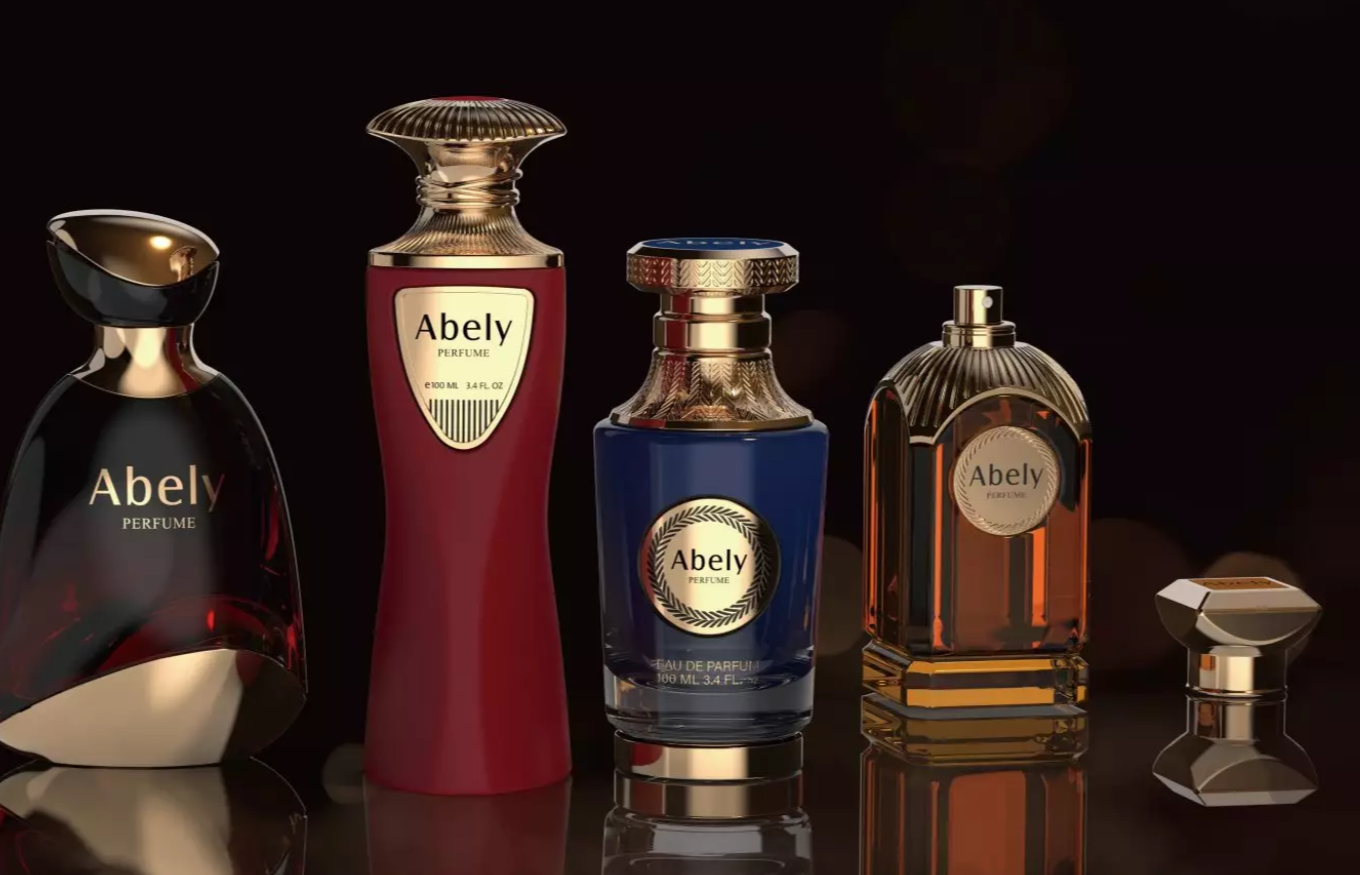
Quantify how a cap communicates your brand’s value proposition. Consider material (metal vs. plastic vs. bioplastic), finish (matte, polished, PVD), and compatibility with graphic elements. For a luxury positioning, weight and finish deliver tangible cues to consumers and tactile feedback to retail staff. If you need broader assortments, explore modular cap systems via fragrance bottles wholesale suppliers to maintain visual coherence across SKUs.
Functional Specification: Closure Systems and Compatibility
Functional specs determine manufacturing feasibility and regulatory compliance. Key attributes: neck finish compatibility (specify DIN, ROPP, or custom neck), sealing tolerance (to prevent evaporation), and actuator fit for sprays. Document torque specs and assembly time — these are inputs for line balancing and OEE calculations. A mismatch here is costly during pilot production.
Cost-to-Serve: Unit Economics and Lifecycle Costs
Evaluate cap cost not only by unit price but by end-to-end cost-to-serve: mould amortization, plating, inventory carrying, and failure rates. Use scenario models (MOQ 10k vs. 50k) to surface per-unit delta. Often a higher cap cost is justified by reduced returns or premium pricing, but validate with SKU-level margin models before committing.
Supply Resilience: Sourcing, Lead Times, and Compliance
Assess supplier footprint: single-source vs. multi-sourcing, regional lead times, and compliance with RoHS/REACH where applicable. Anchor decisions in a real-world context — manufacturers in Grasse and surrounding Provence historically influenced fragrance aesthetics and supplier networks; today, many brands balance that heritage with resilient offshore fabrication. Build contingency lead-time buffers into launch timelines.
Common Mistakes and Operational Trade-offs
Frequent mistakes are predictable: choosing a novel cap without durability tests, underestimating plating lead times, or ignoring assembly ergonomics. Test early: proto caps on production jigs reveal issues before tooling spends. Also consider alternatives — injection-moulded with plated finish versus metal-alloy caps — and run a cost-benefit with break-even analysis for retooling.
— Attention to small tolerances saves major rework downstream.
Implementation Checklist: From Spec to Shelf
Use this practical checklist to operationalize the framework:
– Finalize neck finish and closure spec with engineering tolerances.
– Run 500-cycle wear tests and evaporation assays.
– Model MOQ scenarios and total landed cost for each cap option.
– Validate supplier certifications and lead time SLAs.
– Align packaging designers with assembly technicians for line-readiness.
Advisory: Three Golden Rules for Decision-Makers
When choosing a cap, prioritize three evaluation metrics:
1) Lifecycle Cost per Unit — include tooling amortization and plating reruns.
2) Functional Pass Rate — percent of parts meeting torque, seal, and finish specifications after production sampling.
3) Supply SLA Robustness — verified lead time variability under stress scenarios.
Conclusion: Synthesis and Brand Implementation
Cap selection is a cross-functional decision with measurable KPIs. By applying the four-pillar framework and validating against lifecycle cost and supply resiliency, brands reduce launch risk and protect margin. Operational rigor — testing, supplier qualification, and scenario modeling — converts a visual detail into a commercial advantage. For integrated sourcing that combines design fidelity with manufacturing scale, consider partners who understand both brand intent and production realities, such as Abely. Final thought: decisive specs drive predictable outcomes.
Authoritative and actionable — consider your cap choice executed.
— practical.