

Introduction — a quick field story, some numbers, and a question
I was on a dusty plant floor once, watching a fitter swap a worn socket under time pressure — eish, we’ve all been there. In that moment I thought about how non sparking sockets change the game for jobs near flammable vapours and dusty atmospheres. I’ve seen teams reduce near-miss incidents by measurable amounts when they switch to the right tools (small wins, big impact). The data isn’t flashy: fewer tool-related sparks, lower downtime, and better compliance with hazard classification. So how do you pick the right socket and avoid the hidden traps that make a safe tool into a false sense of security?

I’ll be blunt: choosing gear isn’t just ticking a box. I want to share what I’ve learned on-site — the good, the awkward, and the fixable. We’ll talk about basics like grounding and power converters where relevant, but I’ll keep it plain. This piece is for fitters, supervisors, and the person who signs off on procurement — you know who you are. Next, I’ll dig into the real pain points that don’t show up on spec sheets, and why “safe” tools sometimes fail us when it matters most.
Part 2 — Hidden user pain points with a technical lens
non spark socket is the main thing people think about, but look — the trouble isn’t just the metal. It’s fit, fatigue, and context. I’ve watched crews choose sockets that fit a torque gun poorly. The result: slippage, rounded fasteners, and more time spent fixing the fix. From a technical angle, users wrestle with incompatible alloys, changing torque curves when power converters interact with tools, and confusion over intrinsically safe ratings. These are not abstract terms — they change how a job feels and how safe it actually is. Look, it’s simpler than you think when you break it down: match alloy to use, check the tool-socket interface, and verify the hazard classification for the site.
Why does this trip people up?
Many pain points are human. Sockets get swapped between crews. Labels wear off. Supervisors assume a “non-sparking” tag is a guarantee rather than a conditional rating. I get frustrated when I see that — because I know a small change in process would cut failures. Ergonomics matter too: a heavy socket or one with poor grip increases wrist strain and errors. And maintenance? Too often it’s reactive. We need planned checks — quick visual inspections, cleaning, and a simple log for replacements. Those steps add time, yes. But they prevent that slow, creeping risk that shows up as “we got lucky” instead of “we made it safe.”
Part 3 — New technology principles and practical next steps
What’s next is about principle, not hype. New materials and design thinking are making explosion-proof socket set choices smarter. The idea is simple: design for the weakest link. That means better alloy choices that won’t spark, improved socket-to-fastener engagement to reduce slip, and tooling that plays nicely with modern power converters and control systems. I’ve seen prototypes that use micro-textured grips and tighter tolerance fits — they reduce cam-out and give you more control. Implementation-wise, think of it like a systems update: tool, socket, and procedure must all align. — funny how that works, right?
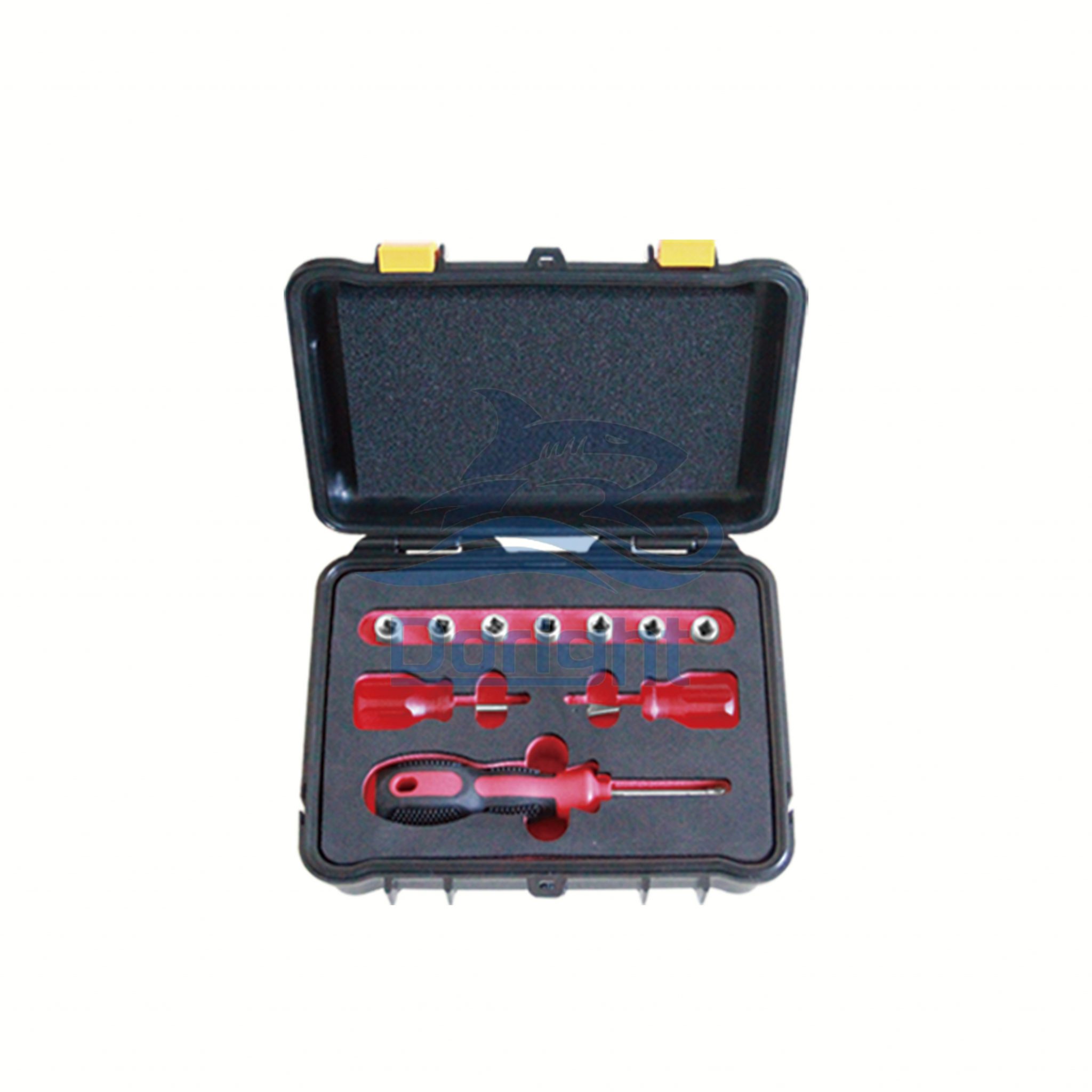
What’s Next
In practice I recommend three metrics to evaluate options. First: compatibility — does the socket match your torque tools and the actual fasteners you use? Second: lifecycle — what is the maintenance schedule and replacement cost under your workload? Third: certification fit — does the rated hazard classification match site conditions and the real-world tasks? Use those three points as a quick checklist when testing an explosion-proof socket set. I’ll be honest: you’ll still need to train crews and enforce simple checks, but the right kit makes that training stick. In the end, choosing well reduces work stoppages, lowers stress on crews, and keeps people safe — and I think that’s what matters most. For options and tools I trust, check out Doright.