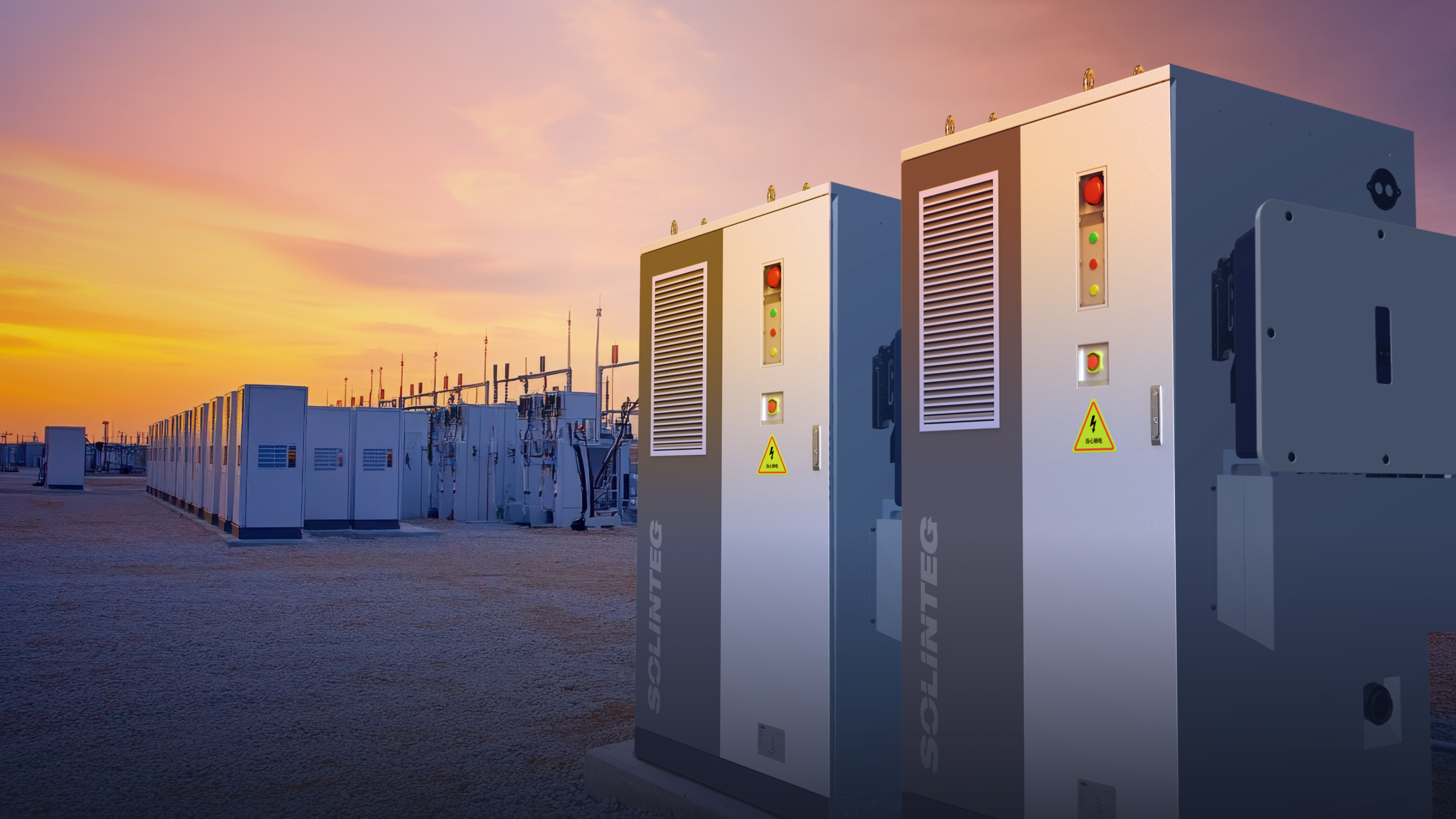

Direct comparison that matters
Companies weigh capital outlay against steady savings, and the clearest variable is a system’s ability to convert investment into recurring value. This piece lays out head-to-head realities for commercial battery storage and legacy strategies—demand response contracts, diesel gensets, and simple tariff management—so decision-makers can choose with confidence. Early adopters now favor commercial battery storage because it bundles energy arbitrage, peak shaving, and resilience into a single asset that shows its return in months to a few years rather than decades.
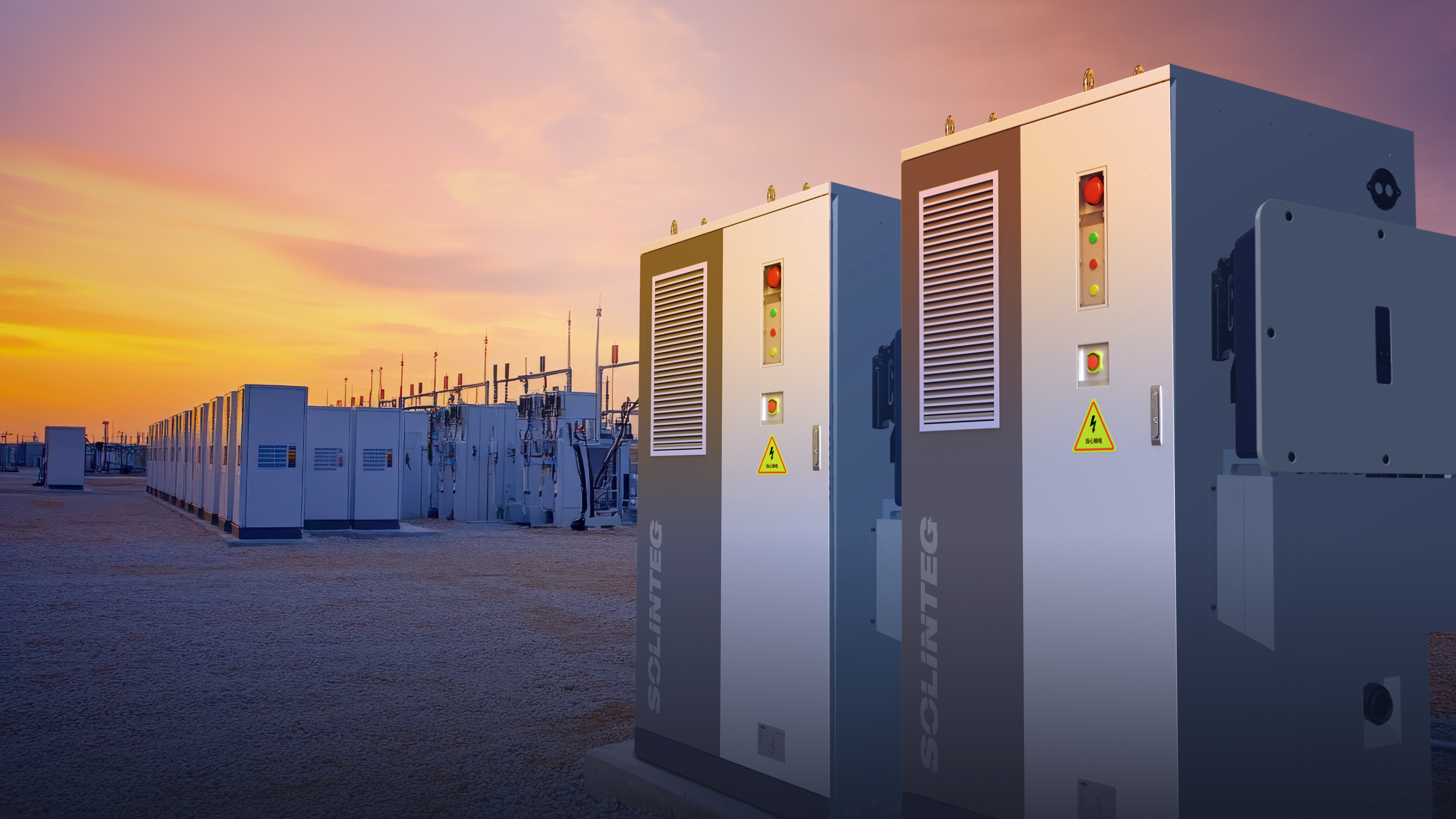
Where battery storage wins: revenue streams and operational upside
Battery systems deliver multiple monetizable services. Time-of-use arbitrage captures low-cost hours to offset high-cost demand windows. Peak shaving trims the facility’s demand charges, often the single largest component of a monthly bill. Overlaid controls—an inverter paired with a robust battery management system (BMS)—enable fast dispatch for grid services or backup power. These combined streams shorten payback and increase internal rate of return (IRR) compared to one-dimensional solutions like diesel backups, which only provide resilience without financial upside.

Where traditional approaches still make sense
Diesel generators remain lower-capex for small, infrequent outages and where emissions rules are lax. Demand response can be cheap to enroll in for non-critical loads. But those choices sacrifice long-term controllability and environmental benefits. For businesses in electricity-constrained regions—take California after the 2020–2021 rolling blackouts—reliance on intermittent measures proved costly and disruptive, pushing firms toward on-site storage that both insulates operations and reduces exposure to volatile market pricing.
Technical trade-offs to weigh
Key technical metrics shape outcomes: usable capacity (kWh), power rating (kW), round-trip efficiency, and degradation profile. Round-trip efficiency governs how much energy you actually get back from each cycle. Cycle life and warranty terms dictate replacement timing and total cost of ownership. Integration complexity can vary—some projects require advanced controls to coordinate with existing building management systems. Short interruptions to workflow—typically brief software tuning—are normal during commissioning but worth the long-term gain.
Common mistakes and alternative paths
Over-sizing for worst-case scenarios or ignoring tariff structures are frequent missteps. Some buyers assume bigger capacity always equals better ROI; instead, matching power and energy to specific commercial load profiles produces faster returns. Alternatives include hybrid approaches: smaller battery banks combined with targeted demand response, or leasing models that shift capex off balance sheets. Each choice trades upfront cost against operational agility—pick based on business continuity needs and finance preferences.
Implementation checklist and vendor assessment
Compare vendors on these concrete points: guaranteed throughput (kWh delivered annually), degradation schedule (annual percentage), integration support, and as-built testing procedures. Ask for modeled savings under real tariff inputs and onsite load data. Confirm warranty remedies and what test conditions trigger replacement—details that separate glossy proposals from practical projects. Also validate commissioning tests and acceptance criteria rather than accepting generic certification statements.
Three golden rules for selecting the right system
1) Match the battery’s usable energy and power rating to measurable load events, not theoretical peak values. 2) Prioritize vendor transparency on degradation and guaranteed throughput—these determine lifetime value. 3) Insist on a controls strategy that proves savings under your actual tariff schedule and short-term dispatch scenarios. These rules keep your procurement pragmatic and avoid contract surprises.
Closing evaluation and brand fit
Commercial battery storage consistently outperforms piecemeal options when you need both savings and resilience. The measurable results you should expect are faster payback on peak-heavy sites, lower demand charges, and a documented pathway to on-site resilience. For businesses ready to pivot, technology providers that combine engineering, transparent modeling, and local deployment experience deliver the best outcomes. commercial solar battery storage systems are often the most straightforward route to those gains—SOLINTEG’s integrated solutions demonstrate that operational clarity.
SOLINTEG makes the numbers and the install work together—an approach that turns storage from an experiment into a predictable asset. —