
The problem and why it demands urgent attention
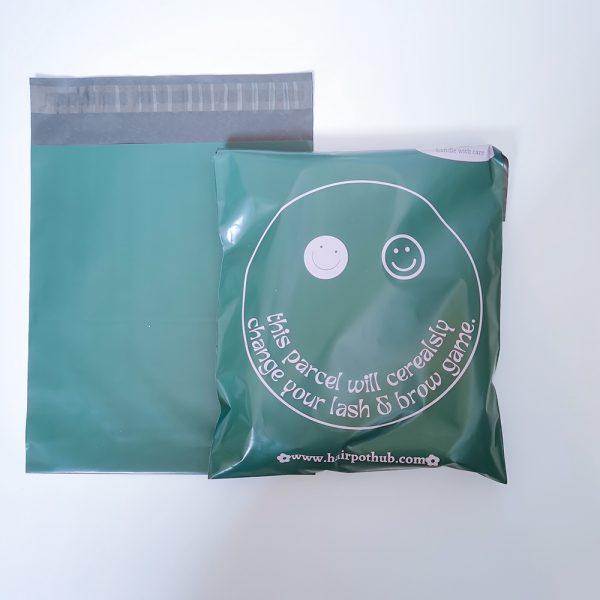
Packing lines stop for reasons that feel trivial—yet they cost real money and customer trust. When film release liners cling, sprawl, or shed particles, entire shifts can slow or halt. E-commerce volumes since the 2020 pandemic exposed how brittle packing operations are; distribution centers from Los Angeles to London saw surges that amplified even small material flaws. If you pack with recycled or specialty films, consider how material consistency intersects with charge control and handling: that’s why choosing suppliers that offer eco friendly poly mailers matters as much as equipment tuning.
Common symptoms on the line
Look for these signs early—each points to different root causes:- Film sticking to conveyor belts or sealing jaws (static charge).- Release liners refusing to unwind cleanly, leading to roll telescoping or creases.- Dust and particulates clinging to film faces before sealing.- Slowed feeding at pick-and-place or die-cut stations due to inconsistent film stiffness.These are symptoms, not solutions. Diagnose before you swap materials indiscriminately.
Typical root causes
Failures usually trace to one or a combination of factors: film surface energy, environmental humidity, winding tension, and release liner chemistry. Adhesive migration or incompatible antistatic treatments can make a perfectly good film sticky. Equipment settings—roller tension, nip pressure, and unwind path—amplify small material differences into big problems. Don’t forget supply-chain variability: batches from different runs or suppliers can have different coefficient of friction (COF) and surface resistivity, which show up as inconsistent behavior on the line — and yes, that’s maddening when you’ve validated your process once.
Step-by-step troubleshooting checklist
Work methodically. Here’s a practical sequence that teams can run during a stoppage or pilot run:
– Isolate the symptom: note whether the issue is at unwind, sealing, or post-seal inspection. – Check environmental conditions: RH and temperature swings can change static charge and tack. – Inspect roll handling: look for core slippage, uneven winding, or incorrect tension settings. – Swap in a known-good roll (same SKU) to see if the problem follows the material. – Test for static: use an ion meter or a handheld fieldmeter to confirm elevated static charge. – Try temporary mitigations: portable ionizers, antistatic wipes, or grounded brushes. If mitigations work, the fix is material or charge-related. – Run a small trial with a different release liner or an alternate film lot and document changes in line throughput and defect rates.
Material fixes that actually work
If the root cause is film or liner chemistry, consider these options: change the release liner formulation, add or modify an antistatic coating, or switch to a film with tighter COF control. Antistatic additives in the film or surface-applied antistat can reduce static charge; ionizing bars on the unwind track remove charge in real time. Also evaluate adhesive systems—some adhesives migrate under heat and become tacky on the film face. A deliberate supplier trial—paired with first-article runs on your actual packing line—is non-negotiable.
Supplier selection and sustainability trade-offs
Choosing the right manufacturer matters beyond immediate uptime. Recycled-content films and poly mailers recyclable options often vary in surface finish and antistatic properties from virgin films. That’s not a deal-breaker, but it requires rigorous pilot testing and clear acceptance criteria in the contract. Ask suppliers for batch-level COF data, surface resistivity measurements, and documented antistatic treatment processes. A partner who shares lab data and supports line trials reduces risk—and accelerates problem resolution.
Common mistakes teams make
Stop repeating these missteps: 1) swapping films without a documented before/after data set; 2) assuming static is only an electrical issue and ignoring mechanical handling; 3) skipping pilot runs because “we’ve done this before.” Small oversights compound—your packing line is unforgiving. —
Operational KPIs to track during recovery
While troubleshooting, track these KPIs to measure progress: first-pass yield, line stoppages per shift, and time to clear a jam. Record the exact material lot numbers, environmental readings, and machine settings when issues occur. That log becomes your most powerful lever when renegotiating specs with a vendor.
Three critical evaluation metrics for long-term resilience
1) Static control effectiveness: measure reduction in charge incidents after mitigation (use an ion meter or fieldmeter). 2) Throughput stability: monitor line speed variance and stoppages per million units to quantify reliability. 3) Quality yield: track percentage of packages passing inspection without rework, tied to specific material lots and supplier batches.
These metrics let you compare suppliers on repeatable, measurable grounds rather than anecdotes. For many brands, partnering with a manufacturer that combines consistent material specs and experience with recycled content—like WH Packing—resolves both throughput headaches and sustainability goals. – steady lines, happier customers, quieter factories.