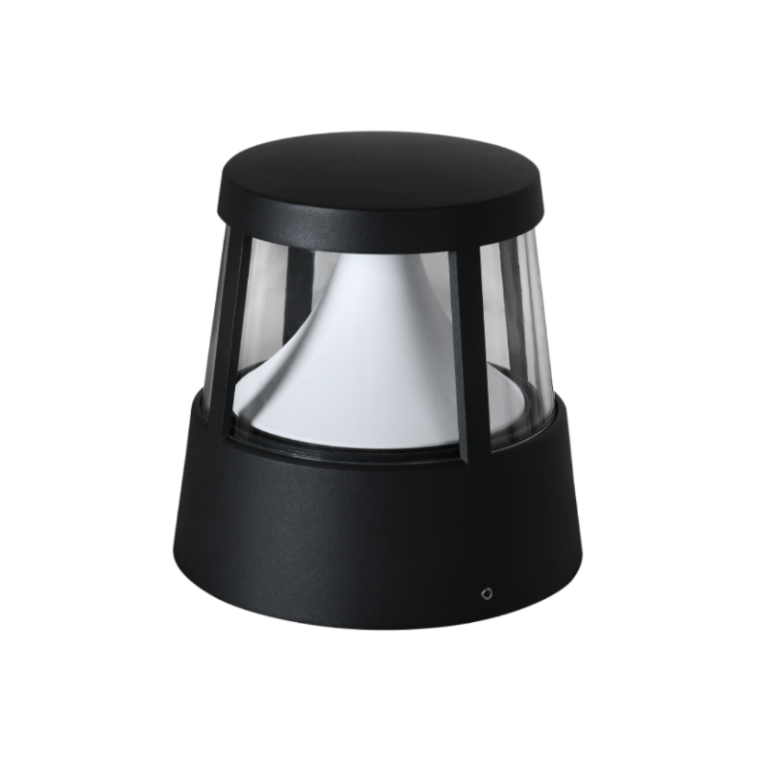

Why a framework makes exterior lighting less scary
If you’re juggling fixtures, schedules, and sensors, a checklist beats chaos—always. This Framework-style guide breaks the problem into repeatable blocks so you can retrofit or spec new wall‑mount LED fixtures without guessing at protocols or compatibility. Think of this as the modular blueprint you hand to an electrician or facility manager—covering everything from lumen output and CCT to the automation handshake. And yes, that includes where exterior fixtures like outdoor pier mount lights fit into a campus or streetscape plan. Practical, predictable, and mildly satisfying.
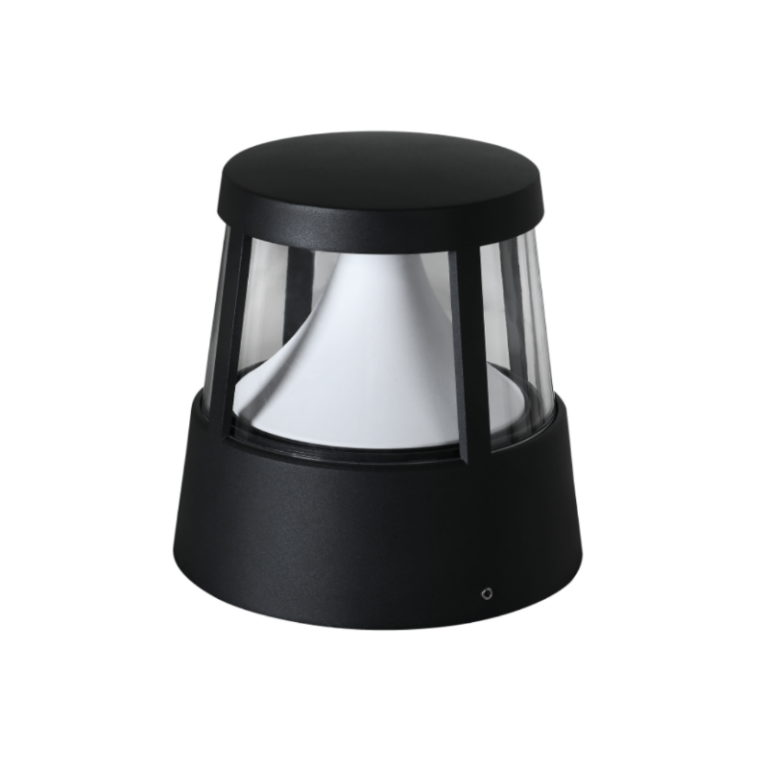
Framework block A — Define the use case and performance targets
Start by answering three plain questions: What is the lighting meant to do (security, wayfinding, ambiance)? What are the performance targets (target lux, glare limits, CCT)? Who needs control—security, facilities, or events? Capture these in a short spec sheet: desired lumen output, CCT (e.g., 3000K vs 4000K), IP rating for weatherproofing, and whether you need dimming or color control. This prevents scope creep during procurement and sets the stage for protocol choices.
Framework block B — Hardware selection: fixtures, drivers, and sensors
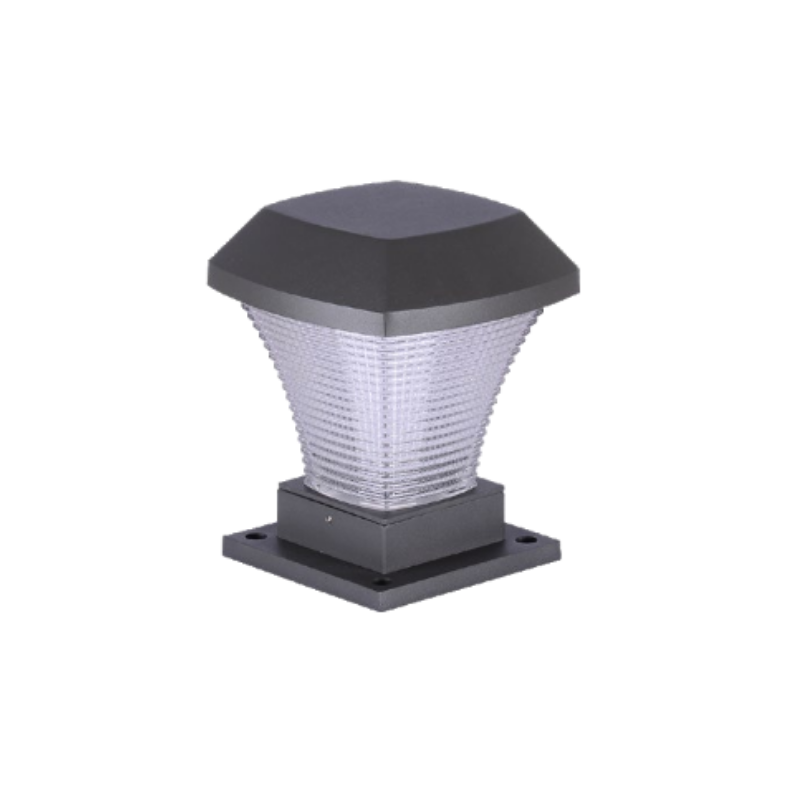
Pick fixtures and drivers that support the control methods you want. For wall‑mount LEDs, choose drivers that accept standard dimming inputs (0‑10V, DALI, or DMX) or have native network support (BACnet/IP or Lutron). Add photocell or occupancy sensor options for daylight harvesting and runtime savings. If you like classic silhouettes, consider matching wall mounts to nearby black pier mount lights for visual continuity. Don’t forget IP65 or better for wet locations—one forgotten gasket will sour a project faster than you can say “corrosion.”
Framework block C — Control protocol and systems integration
Decide which protocol is the contract between your fixtures and the building automation system (BAS). Common choices:- DALI: precise per-fixture control and short response latency—good for scenes.- 0‑10V: simple and ubiquitous, but limited in feedback and granularity.- BACnet/IP: ideal when you want direct integration into HVAC and BAS dashboards.- DMX: best for dynamic color or theatrical-style sequences.
Match protocol to need. For straightforward security-driven on/off and dimming, 0‑10V or DALI paired with a photocell and schedule usually suffices. If you want rich telemetry—driver temperature, energy meters, or fault reporting—lean toward DALI or BACnet-capable drivers.
Framework block D — Network architecture and commissioning
Plan the network topology: isolated lighting control network vs. converged IT network with VLANs. VLANs and PoE can simplify cabling, but they demand coordination with IT and robust cybersecurity controls. During commissioning, verify each fixture’s address, dim curve, and response under both scheduled and manual control. Run a short acceptance test: schedule override, daylight dimming test, and failure-mode behavior when the controller loses connection. These steps sound tedious—because they are—but they stop late‑night service calls.
Common mistakes and practical fixes
Teams often stumble on three things:- Assuming every LED driver plays nicely with every controller—always confirm protocol and dim curve. – Skipping field testing with the actual BAS—simulator success doesn’t guarantee real‑world behavior. – Overlooking surge protection for exterior fixtures exposed to lightning or transient spikes.
Fixes are straightforward: insist on driver datasheets that list supported protocols, perform on-site commissioning with the BAS vendor present, and specify surge protection and proper grounding in the electrical scope. Small investments here save days of troubleshooting later—trust me, those days are pricey.
Integration patterns: quick reference
Three reliable patterns work for most sites:- Central BAS control: All luminaires talk to a building controller (BACnet) for unified scheduling and analytics. Best for campuses. – Distributed control with gateways: Local DALI groups with DALI‑to‑BACnet gateways balance granularity and network load. Good middle ground. – Edge control (PoE or smart drivers): Fixtures are individually networked—excellent for retrofit flexibility and per‑fixture telemetry.
Real‑world anchor and why it matters
Municipal LED retrofits—like large city conversions documented by the U.S. Department of Energy—show that smart exterior controls can cut energy use by roughly half when you combine efficient fixtures, daylight harvesting, and optimized schedules. That’s not just theory; it’s the playbook cities use to reduce operating costs while improving public safety and light quality.
Three golden rules for picking your path
1) Match protocol to long‑term goals: choose DALI or BACnet if you want future telemetry and integration; 0‑10V if you want simple, reliable dimming. 2) Specify for the environment: IP rating, surge protection, and driver temperature limits matter outdoors—don’t cheap out. 3) Commission with the whole team: electrical contractor, BAS integrator, and facilities should all sign off on acceptance tests and response criteria.
Follow the Framework and you’ll turn a jumble of fixtures, drivers, and sensors into a predictable system that saves energy and reduces service headaches. For well‑made exterior fixtures and consistent integration options that fit this approach, consider how Keyida aligns product durability and control compatibility—practical, reliable, and designed to play nicely in the BAS sandbox. —