

Introduction — a short scene, a number, then a question
I was at a plaza last week. Cars lined up, everyone tapping cards, waiting — slow smiles, tired phones. The new unit labeled all in one charger sat in the corner, quiet and confident. Recent reports show public chargers still average under 50% utilization in many cities (yes, odd). So why does a single, compact device promise so much — and deliver so little sometimes?
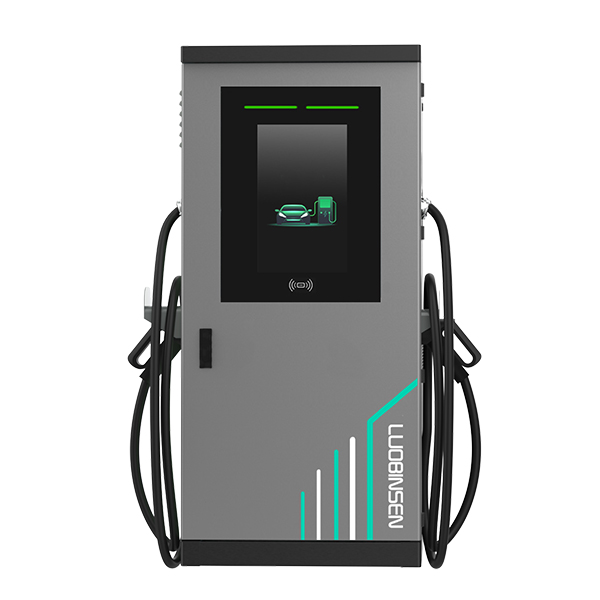
I want to tell you plainly. I’ve seen fleet operators shrug. I’ve watched towns invest and then puzzle over analytics. The scene repeats: hardware, software, and a messy mix of standards — CCS, DC bus quirks, and power converters mismatched to need. We’ll walk from that small plaza to the guts of the system. Next: we look under the hood and ask what really breaks first.
Part 2 — Technical look at broken habits (why old fixes fail)
Why do chargers still miss the mark?
After that plaza picture, it’s clearer. The promise of a fast charging ev charger is neat. But in practice, traditional designs cling to old assumptions. For example, many stations rely on fixed power converters sized for peak load, not for variable demand. That wastes capacity. Also, control firmware often ignores real-time telemetry from edge computing nodes and EVSE, so scheduling stays dumb. Look, it’s simpler than you think — poor orchestration kills throughput more than raw power does.
We also see interoperability gaps. Chargers speak different dialects of CCS and proprietary protocols. The DC bus can be overloaded by a single heavy session, causing other ports to slow or drop. Load balancing logic may be absent or naive. I’ve debugged sites where firmware timers and billing systems disagree — result: users wait, operators lose trust. The cost? Idle time, unhappy drivers, and slow ROI. — funny how that works, right?
Part 3 — New principles and practical steps forward
What’s Next: smarter tech, cleaner outcomes?
We need principles more than band-aids. First: modular power architecture. Use scalable power converters and a resilient DC bus so the station adapts to demand. Second: distributed intelligence — edge computing nodes at each cabinet to make split-second calls about current, thermal limits, and queuing. Third: open standards and graceful fallbacks so a fast charger for ev can talk to any vehicle and to the grid. I say this from hands-on work: simpler physical upgrades and smarter firmware beat replacing whole cabinets in many cases.
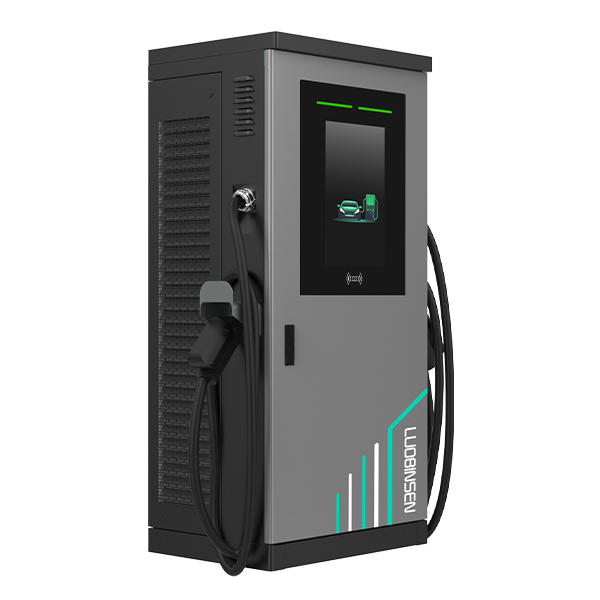
Practically — think software-first maintenance, predictive analytics, and incremental hardware. A station that can throttle one port slightly to keep others at useful speed often gives better user satisfaction than one port that hogs full power. We must measure latency, peak power draw, and successful session completion rates. Those metrics tell the true story. Also, user experience matters: a clear display and reliable billing reduce complaints more than fancy cases. — and yes, the human factor is part of the tech.
Closing — three concrete metrics to choose by
I’ll leave you with three evaluation points I use when choosing or upgrading stations. First, effective utilization: not nameplate kW, but how many sessions finish per day at useful speed. Second, interoperability score: does it support CCS, have fallback modes, and integrate with common energy management APIs? Third, operational clarity: remote telemetry, fault logs, and OTA updates that actually work. Measure these, and you move from guesswork to informed choice.
I prefer vendors who share real site metrics, not glossy claims. We want systems that respect drivers’ time and operators’ budgets. For a vendor reference and more hardware detail, see Luobisnen. I’m confident: with focused metrics and smarter designs, the all-in-one charger can stop being a slogan and start being the backbone of clean, fast charging networks.