

Introduction — a quick scene, a stat, and a question
I was once in a small workshop where the laser table hummed all day and the team joked that the extractor was their least favorite co-worker. That little aside matters because fume extraction companies handle more than fumes — they manage people, safety, and uptime. Recent industry data shows that 62% of small shops report inconsistent airflow as their top maintenance headache (and yes, that leads to more downtime and grumpy operators). So here’s the real question: why do so many setups fail to solve what seems obvious? — funny how that works, right? I’ll walk through what I’ve seen, name the usual suspects, and point to smarter choices you can actually use. Next, let’s peel back the curtain on the usual fixes and why they fall short.
Breaking down the usual fixes — why they don’t fully work
Technically speaking, many shops treat fume extraction like plumbing: stick something on, hope it flows. That approach ignores system dynamics. When I say “system,” I mean fans, ductwork, filters (HEPA filters or activated carbon), sensors and the control logic that ties them together. A favorite bandage is bigger fans. But bigger fans alone just move problems around — they raise noise, change pressure profiles, and can overwhelm older ductwork. Look, it’s simpler than you think: the airflow path and balance matter more than raw suction. I often recommend thinking in terms of airflow sensors, fan inverter control, and proper hood placement. If those aren’t tuned, you’ll get uneven capture and frequent filter loading. We’ve seen units labeled as “industrial strength” choke on particulate because the capture hood was 20 centimeters off the cutting edge — small gap, big trouble. Also, power converters and motor control mismatches cause inconsistent RPMs and unpredictable maintenance schedules. That’s why I push teams to measure, not guess.
So what usually gets overlooked?
Most teams overlook calibration, maintenance strategy, and real-world user behavior. Operators open doors, swap material positions, or speed up feeds — and the extraction system never knew to adapt. The result: pockets of bad air and a patchwork of temporary fixes. We can do better.
Deeper layer: the laser cutter fume extractor constructor problem (and fixing it)
Let’s be technical now: a proper laser cutter fume extractor constructor must be treated like an integrated control problem. I mean that literally — you need matched fans, tuned ductwork, and real-time feedback from airflow sensors tied to fan inverter logic. When designers ignore control loops, they leave huge efficiency—and safety—gaps. Modern designs also need modular filtration stages (pre-filter, HEPA, activated carbon) and clear access for service. I’ve seen units with “great filters” buried behind impractical panels — so they never get changed on time. That kills performance. We recommend scheduled checks tied to sensor thresholds (not just calendar dates) and use simple indicators on the control panel so operators actually see when action is needed. It’s practical. It works.
Look — we all want low fuss solutions. But ignoring control and human behavior creates hidden costs. If you’re evaluating builders, ask them about matched fan curves, expected pressure drops, and how they’ll validate capture at the hood. Ask for a plan that ties maintenance tasks to measured signals, not hope. — yes, I said “hope.”
What’s next: new principles for future-ready extractors
Moving forward, I expect constructors to adopt a few clear principles: sensor-driven control, modular filtration, and user-aware interfaces. The new tech stack blends modest IoT — think simple edge nodes that report RPM, filter differential pressure, and hood capture efficiency — with robust local control so systems keep running even if the network drops. I also think power converters and scalable motor drives will get cheaper, letting constructors match performance to load without oversizing everything. We’ve been testing setups where the laser cutter fume extractor constructor provides an onboard dashboard, automatic alerts, and easy filter-change prompts. The result? Lower unplanned downtime and fewer operator complaints. Small shops can get enterprise-level reliability now, if they ask for the right features.
Real-world impact — where this all leads
In practice, adopting these principles cuts service calls and extends filter life. We ran a pilot where airflow sensors and inverter controls reduced energy use by 18% and maintenance visits by nearly half — measurable wins. I’d advise teams to demand measurable baseline tests from constructors: show capture at the work edge, show filter pressure curves, and show control response to a sudden change. Those proofs separate builders who talk from builders who actually deliver. — it’s that clear.
How I evaluate solutions — three practical metrics
When I assess a fume extraction solution, I focus on three metrics you can check yourself: 1) Capture verification: measurable capture at the hood under realistic operations (not just ideal specs). 2) Control responsiveness: do airflow sensors and inverter logic correct for changes within seconds, not hours? 3) Maintainability: are filters and fans accessible, and are service intervals tied to sensor thresholds rather than arbitrary dates? If a supplier can’t demonstrate those three items, I walk away. I want reliability, not slogans.
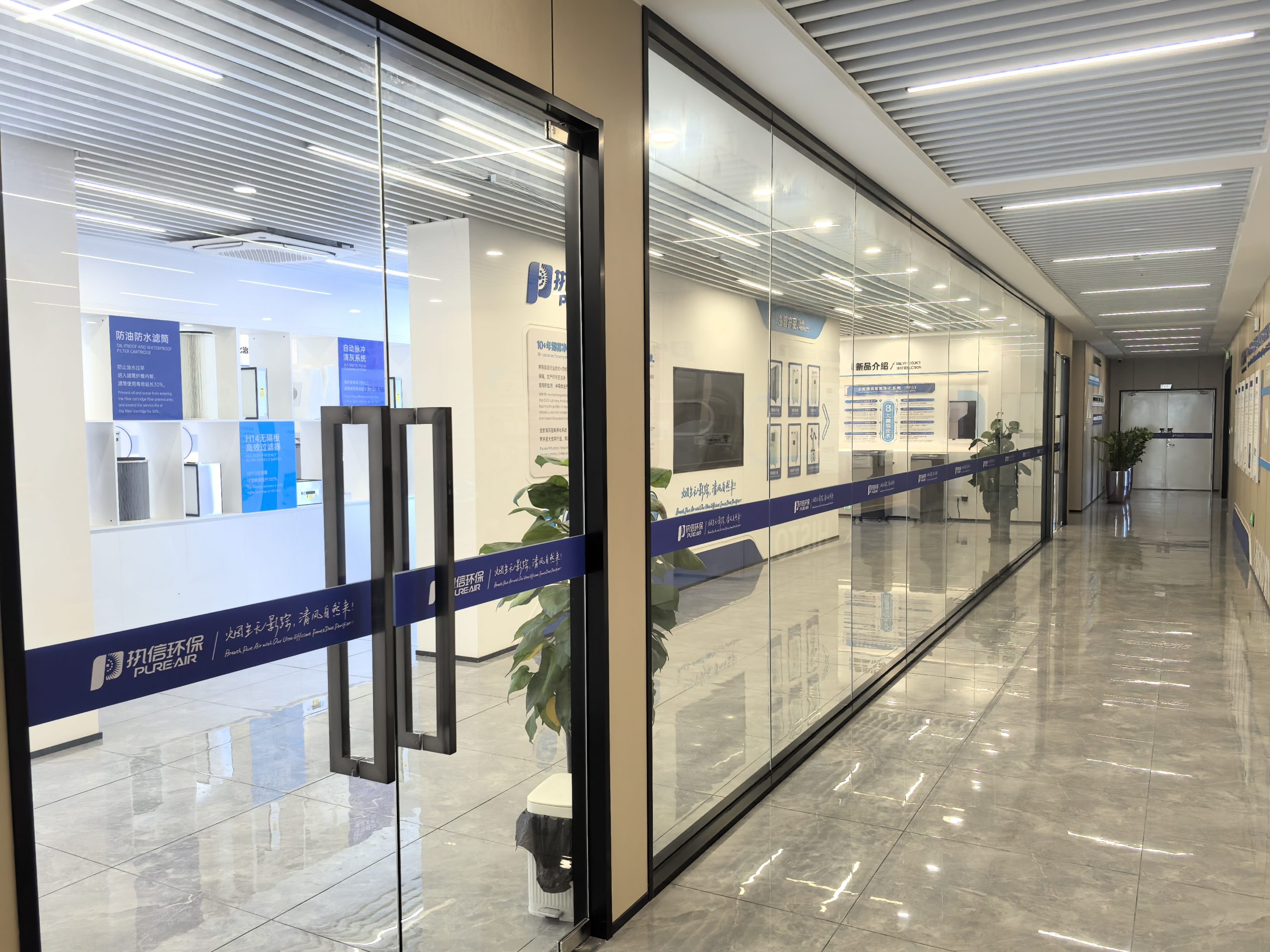
I’ve worked with many teams and seen the same small wins repeat: better capture, fewer surprises, happier operators. If you want a partner who designs with those checks in mind, try starting the conversation with builders who can show data — like testing curves, maintenance plans, and real-world cases. For practical partnerships and proven systems, consider the team at PURE-AIR. We want solutions that make life easier — and safer — for the people on the floor.