

Introduction — A Dark Depot, A Bright Problem
Have you ever stood under a flickering depot light and wondered who will keep the fleet moving when the grid hiccups? I have, and the thought sits heavy: an all-in-one charging station promises to be the single point of salvation — or failure — for that moment. Imagine a rain-slick yard, a queue of buses idling, and the dashboard blinking low SOC; global EV numbers climb by double digits each year (yes, the tide is sweeping in). How do we trust one device to manage power, communications, and fast turnaround without collapsing under load?
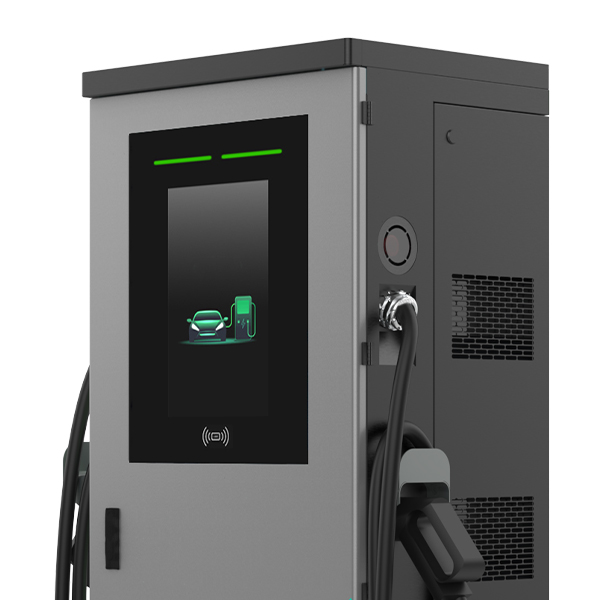
The scene I paint is part theater, part data. A modern all-in-one charging station bundles DC fast charging, power converters, and a battery management system into a tidy rack. I like the idea — it feels clean — but I also feel the unease of putting so much into a single box. What happens when control software lags, or when peak demand spikes and the station must decide which vehicle wins the charge? — and who gets left waiting?
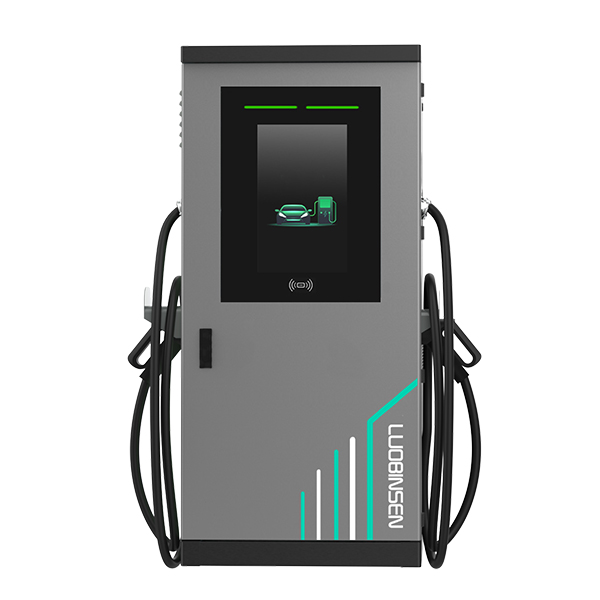
There’s a question at the heart of this: can consolidation really solve operational friction for fleets, or does it simply move complexity into one locked cabinet? I’ll walk through the cracks I’ve seen, the tech that’s trying to fill them, and what I think matters when choosing a path forward. Read on — the next section digs into where standard fixes trip up.
The Flaws Beneath the Hood: Why Traditional Fixes Miss the Mark
ev fleet charging often arrives as a neat pitch: one site, one contract, one box. Sounds tidy. In practice, I’ve watched installations where that tidy promise unravels because the system treats every vehicle like an equal priority. Technically speaking, common shortfalls include limited load balancing logic, firmware that can’t coordinate multiple chargers, and inadequate integration with on-site energy storage systems. Those are not sexy words, but they’re the ones that show up when a depot runs a dozen heavy-duty vehicles every morning.
Look, it’s simpler than you think — yet tricky to fix. Many vendors rely on centralized control that assumes stable latency and perfect telemetry. When latency spikes, edge computing nodes should take over, but they’re often underused or missing. I’ve seen power converters heat and throttle at peak times, leaving vehicles half-charged and drivers grumbling. The real pain? It’s not just downtime; it’s choreography. Fleets need smart sequencing, clear priority rules, and resilient failover. Without those, an all-in-one becomes a brittle point of failure rather than a resilient asset.
Why does this keep happening?
Because procurement often favors lowest up-front cost and neat timelines, not operational resilience. People want boxes delivered and lights turned on. They forget to ask—who will manage firmware updates? Can the system juggle uneven arrivals? What about grid constraints and time-of-use pricing? Those questions matter. I’ve learned to ask them early. If you’re picking a solution, probe the control architecture, request real-world load tests, and insist on modular components. — funny how that works, right?
New Principles for Better Charging: A Practical Look Ahead
What should replace brittle consolidation? I argue for layered resilience and clearer control planes. Start with modular power stages: let power converters be serviceable, and ensure battery storage can act independently as a local buffer. The new design principle I favor is distributed decision-making — local controllers (not just a central server) must manage immediate responses while a higher-level orchestrator handles scheduling. That split reduces single points of failure and shortens response time when a single vehicle demands a surge.
We also need richer telemetry and smarter edge behavior. A healthy system uses analytics to predict demand, run preemptive balancing, and avoid throttling during morning spikes. That’s where a dc electric charger like modern integrated units must prove itself — not by flash specs, but by how gracefully it hands off control and how easily it integrates with an energy storage system or microgrid. I want chargers that speak a common language and fail with dignity: degrade performance, don’t die.
What’s Next for Fleets?
Practically, I expect a few shifts: wider use of edge computing nodes for rapid local control, standard APIs so fleet management and grid operators can coordinate, and more modular hardware so you replace a module, not the whole station. Vendors who adopt open protocols and transparent telemetry will win trust. I also expect pilot projects that blend DC fast charging with on-site storage and simple predictive scheduling — small steps that yield big uptime gains. This isn’t hypothetical; I’ve seen pilots cut morning delays by measurable amounts.
Before we close, here are three evaluation metrics I use when advising fleets: uptime under peak load (percent of schedule honored), effective throughput during a two-hour morning window (kW delivered per bay), and resilience score (how gracefully the system handles a failed module). Measure these, and you’ll see if a solution is robust or just shiny. Choose wisely. For practical models and suppliers I’ve vetted, see offerings from Luobisnen.