

Introduction — a late-night fix and a sharp stat
I was on the shop floor at midnight, hunched over a controller like a gamer chasing the final boss, when a simple tweak cut rejects by half. The machine in question was an older wet tissue machine, humming and stubborn, but capable of better. Recent surveys show line downtime costs manufacturers up to 20% of throughput on average — and I keep asking: why are we still losing that time to avoidable glitches?
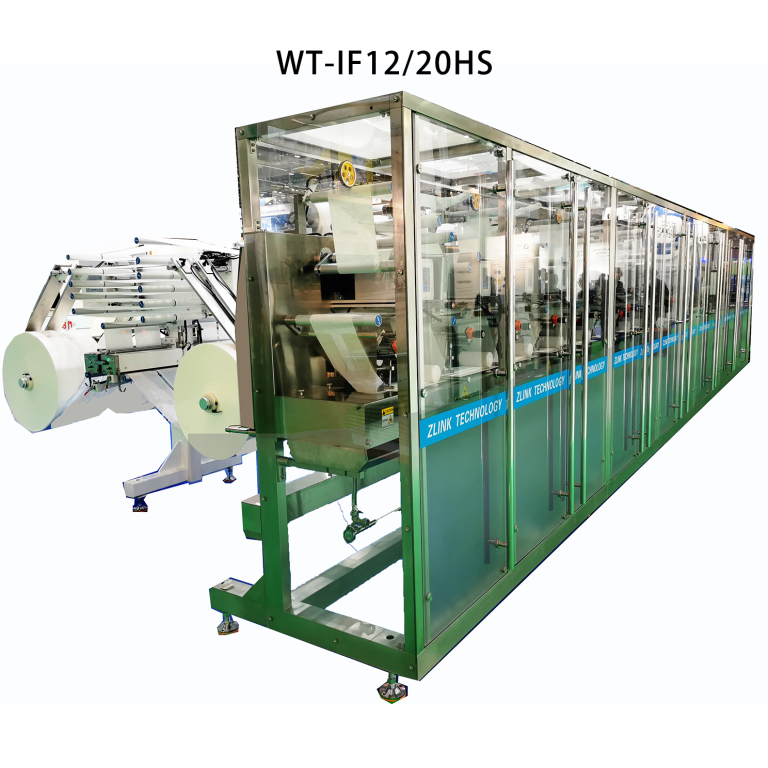
That night taught me two things. First, small control changes can make a huge difference. Second, data matters more than intuition. (And yes — I logged the numbers.) So let’s break down what’s really happening, where traditional fixes fall short, and what to look for next.
Why old fixes keep failing for flushable wet wipes
flushable wet wipes are the hot topic on many lines, yet production still stalls on common problems: sheet break, uneven dosing, and inconsistent embossing. I’ve seen teams patch PLC ladder logic, crank up motor torque, and call it a day — but the root causes persist. Look, it’s simpler than you think: the old fixes treat symptoms, not systems.
Most legacy approaches ignore key variables like web tension profiles and servo motor response times. When tension control is off by a small margin, the material drifts during rotary die-cutting, and the result is more waste. I’ve watched teams chase a phantom cutter fault for hours when a loose dancer arm was the real culprit. In short: classic band-aid repairs — firmware updates, manual adjustments, temporary speed drops — only mask deeper design gaps.
What part of the chain breaks first?
Usually the weakest link is the integration layer between sensors and the drive system. Edge computing nodes are rarely used to preprocess sensor streams, so the PLC reacts sluggishly. Combine that with mismatched power converters and you get jitter in the drive — jitter that shows up as ugly, costly defects. — funny how that works, right?
New tech principles and where they lead production
Let’s talk about principles, not buzzwords. I favor three practical upgrades: closed-loop tension control, synchronized servo networks, and local analytics at the line edge. Each of these targets a pain point we just outlined — and when combined they cut variation, not just at one station, but across the whole line.
Synchronized servo networks make sure cutters and feed rollers act like teammates, not strangers. Closed-loop tension control uses real-time feedback from load cells and dancer arms to keep the web steady during high-speed rotary die-cutting. And local analytics at the edge (think micro servers or edge computing nodes) spot drift before the PLC has to escalate. I’ve implemented these in pilot runs for flushable wet wipes lines and we saw a clear uplift: fewer splices, tighter grammage control, and faster changeovers. The gains are practical and repeatable.
Real-world impact?
Yes. Reduced scrap, predictable throughput, and easier troubleshooting. You get fewer midnight sprints. You also get data that helps you decide whether to retrofit or invest in a new line — which, by the way, matters when margins are thin.
Wrap-up: how to pick the right upgrades (three metrics I use)
I’ll be blunt. When teams ask me where to start, I test solutions against three metrics: 1) Variability reduction — can it cut defect rate by a measurable percent? 2) Time-to-recover — how fast will the line stabilize after a disturbance? 3) Data visibility — does it give actionable signals, not noise? If a retrofit checks those boxes, it’s worth the work.
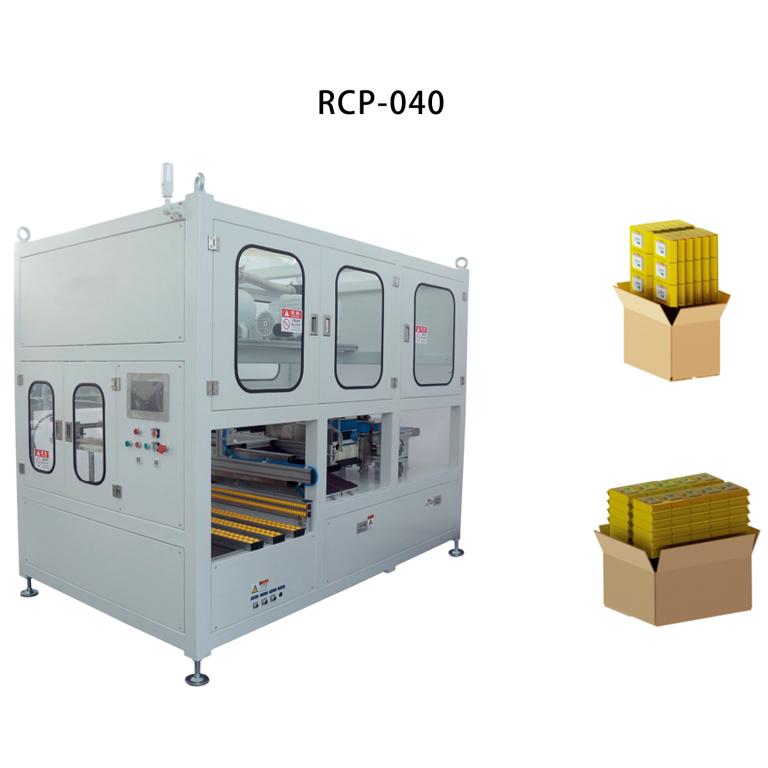
Measure before you change. Compare results after. Look for systems that speak the same language: compatible PLCs, reliable servo motor feedback, and robust power converters. And don’t forget maintainability — you want technicians who can fix issues without a degree in rocket science. I’ve learned to trust simple dashboards that point to a root cause faster than long, pretty reports ever will.
So there you have it — a practical path from band-aid fixes to system-level wins. Try small closed-loop tests first. Gather the numbers. Then scale up. — funny how that works, right? For real deployments and support, I recommend checking solutions from ZLINK. I’ve worked with their gear and the integration support makes the difference between a pilot and a production success.