

Why Comparison, Not Hype, Makes the Ride
You pull up to the curb at dusk, gloves still warm, engine ticking as it cools. The cruiser motorcycle hums like a bass note in a dim room. Nights like this feel simple, yet the buying choice is not. Recent industry reports say riders still lean on three or four headline specs, but later wish they had checked ride fit and low‑end behavior first. So here’s the question: what really decides comfort and control after the first thousand miles?
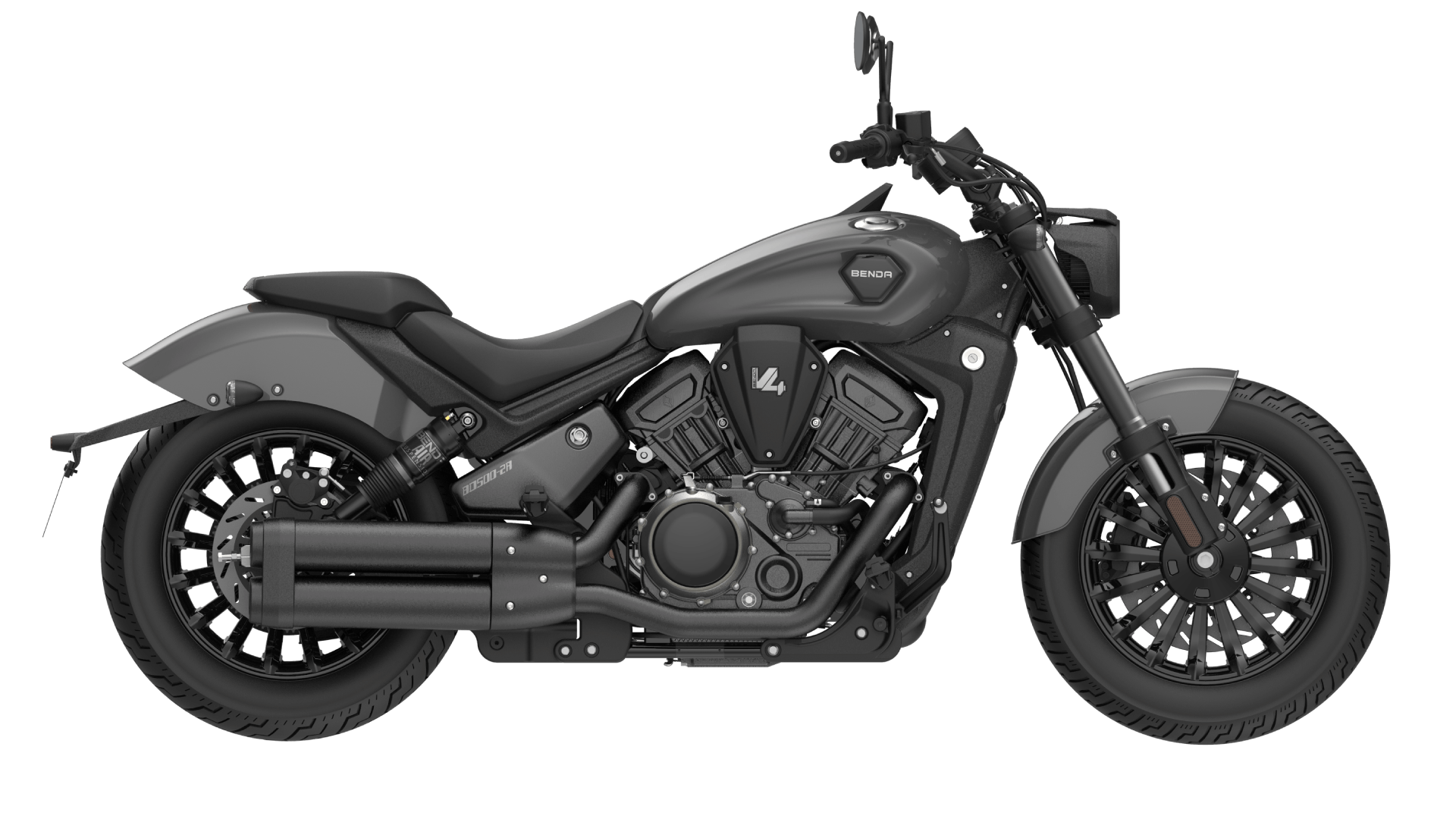
Smell of fuel, a shine of chrome, the seat settling under you—the scene sells. But the ride sells longer. Torque curve matters more than peak power when you cruise. Rake angle and wheelbase guide how the bike holds a line at 45 mph. EFI mapping shapes throttle feel in stop‑and‑go. And your body knows the truth before the brochure does (wrists, hips, lower back—each keeps score). If the front dives and the rear kicks, you feel it right away. If the bars pull your shoulders in, a long ride shrinks fast. — funny how that works, right?

So, what should you compare, and how? Not just numbers, but how those numbers show up on your street. Let’s move from the postcard to the parts list, and from hype to habits.
The Hidden Gaps Most Shoppers Miss
Where do classic fixes break down?
When you scan the big claims from cruiser motorcycle manufacturers, you’ll see big cubic inches, deep paint, and tall promises. The gaps hide in the middle. Peak horsepower sounds bold, yet a cruiser lives at 2,000–4,000 rpm; that’s where the torque curve and gearing do the work. Many “comfort” seats fix height but not angle, so your hips roll back and your core fights the wind. Standard bars look right, yet pull you wide and load your wrists. Traditional fixes add foam or chrome, not leverage or posture. Technically, this is an interface problem: rider triangle, throttle mapping, and brake feel should be tuned as a set.
Look, it’s simpler than you think. Watch for how the ECU trims fuel at low rpm, how the wet clutch engages in traffic, and how a belt drive reacts to on‑off throttle. If rake is lazy but the fork spring is soft, slow streets feel floppy; if the rear shock has too much rebound, small bumps stack up. The spec sheet won’t say your knees hit the tank at full lock—but you will. Classic solutions focus on static numbers, not dynamic balance. And support matters: spares lead times, service bay capacity, and software updates decide the second year of ownership as much as day one. The lesson feels technical because it is, yet the test is simple: does the bike stay calm when you do?
Looking Ahead: Tech That Actually Changes the Ride
What’s Next
New design tools and sensors let you compare different setups in a fair way. Some cruiser motorcycle brands now use ride‑by‑wire to smooth small throttle inputs, then layer cornering ABS with an IMU to keep braking stable in a lean. The idea is simple: measure more, correct less, and keep feel alive. A CAN bus harness tidies wiring and lets add‑ons talk to the bike without gremlins. Swap bars or pegs, and the system still knows your signals. Compare that to older layouts that treat each part as an island—you get inconsistent feel, even with premium hardware. The new principle says: tune the whole system, not just the loudest part.
Future‑leaning frames use lighter sections where loads are low, then stiffen near the swingarm to keep the line steady. Suspension with smart valves adjusts for pace and road pitch—small changes, big calm. Seat foams are mapped by pressure, not price. And software updates refine low‑rpm fueling in weeks, not model years—funny how that works, right? Step back and the pattern is clear: the best comparisons check real use at cruise speed, body posture under wind, and brake feel on rough tarmac. To choose well, use three simple metrics: 1) torque‑to‑weight at 2–4k rpm, not peak hp; 2) adjustability range for bars, pegs, and seat tilt, in millimeters and degrees; 3) support speed—parts lead time and ECU update cadence, measured in days, not promises. Share those numbers, ride them in daylight, then decide. If a name keeps showing up in those results without fanfare, pay attention to it—like BENDA.