

Introduction — a shop-floor moment, a few numbers, one question
I was in a small fabrication shop last week, watching a technician squint through a face shield while the laser cut a stack of stainless — the smoke rolled like fog. The team had just installed a new laser fume extractor and the difference felt immediate: less smell, clearer sightlines, and fewer coughing fits. I’ve seen data that shows poor extraction can raise particulate counts (PM2.5) by several hundred percent near the source during cutting cycles; those numbers matter when you run shifts, automate workflows, and care about uptime. So how do we pick systems that match production cadence without becoming a maintenance headache? I want to share what I’ve learned from the shop floor to the control room—practical, not theoretical—and help you decide the right balance between capture, filtration, and long-term cost. Next, I’ll dig into why many traditional setups miss the mark and what that feels like in daily operations.
Where traditional laser fume extraction systems fall short
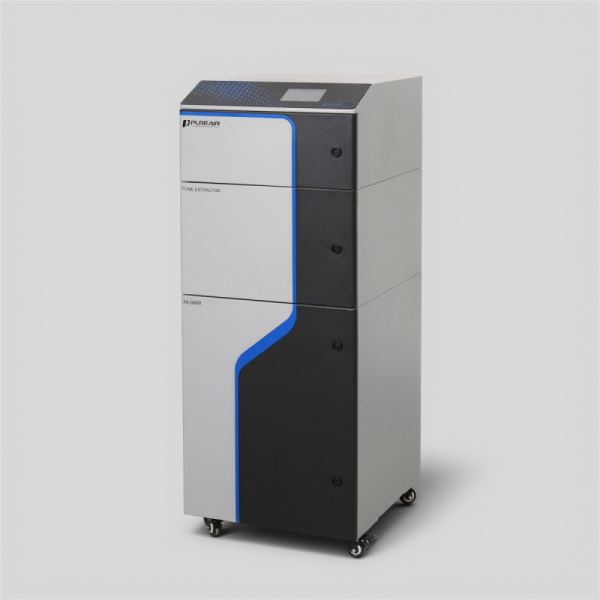
laser fume extraction systems are often sold as plug-and-play solutions, but the reality is messier: they’re frequently mismatched to the process. Let me break it down technically — capture velocity, duct sizing, and filter staging are core variables. In too many installs, capture hoods are undersized, centrifugal fans are overworked, and the HEPA and activated carbon stages are treated as afterthoughts. The result? Short filter life, higher energy use, and spotty particulate control. I’ve measured workplaces where poor hood placement cut effective capture by half. That’s not a small margin; it translates to more maintenance tickets and interrupted production. Look, it’s simpler than you think when you focus on the right parameters.
What’s missing?
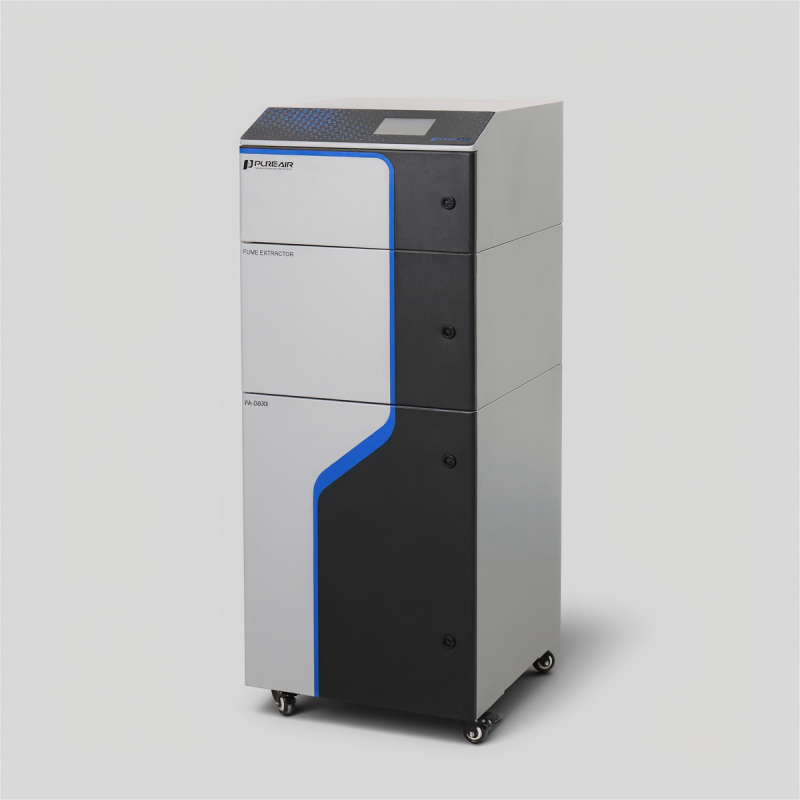
The missing pieces are usually threefold: proper source capture design, matched airflow (CFM) to the process, and a realistic maintenance plan. People assume higher airflow solves everything, but too much velocity can pull contaminants around the hood rather than into it — capture geometry matters. Then there’s filter chemistry: certain fumes need activated carbon for VOCs, while metal fumes demand robust particulate stages. Without a clear spec for particulate size distribution and chemical load, you’re guessing. I’ve helped teams re-spec systems after just a month of poor performance — a quick assessment of airflow, pressure drop, and filtration media often reveals the fix. These are practical engineering checks, not marketing points. — funny how that works, right?
Looking forward: principles and metrics for future-ready systems
When I think about the next generation of extraction design, I focus on practical technology principles: modular filtration stages, sensor-driven feedback, and process-integrated capture. Modular designs let you swap a prefilter or an activated carbon bank without halting a line. Sensor feedback — particulate sensors and differential pressure gauges — lets control systems modulate fan speed and alert teams before filters choke. This is where edge computing nodes and simple PLC integration pay for themselves: they turn noisy data into actionable automation. I want systems that talk to my MES and tell me when to schedule preventive maintenance (not surprise me mid-shift).
What’s next — real-world impact?
Adopting these principles shifts the conversation from “which unit” to “which metrics.” For example, I prefer solutions that provide real-time capture efficiency numbers, clear service intervals, and energy-use reporting. In one retrofit case, adding a variable-speed drive and a better hood design dropped energy draw by 18% and extended filter lifetime by 40% — measurable wins you can budget for. Future-ready extraction also means planning for chemical-specific media and easier access for cartridge swaps. You’ll save downtime and keep operators healthier. — and yes, that matters to morale and retention.
Three practical metrics I use when evaluating systems
If you want a quick checklist, here are three evaluation metrics I insist on before recommending a system: 1) Effective capture velocity at the source (measured at hood opening), 2) Total system pressure drop with new and used filters (gives realistic fan sizing), and 3) Sensor-enabled uptime and filter-life forecasts (so you can automate maintenance). Use these to compare vendor claims against real measurements. I’ll be honest — vendors often quote idealized CFM; I test for real-world capture. If you want a dependable, low-friction solution, measure first, then choose. For practical products and tested designs, I often point teams toward manufacturers with proven field performance like PURE-AIR.