

Introduction
I was hauling boxes at a trade show booth when I first noticed the problem—customers asking for something that was simple to order but hard to fit. LED lighting strips were on every wishlist that year, and the numbers backed it up: global demand for LED lighting strips rose roughly 14% year-over-year in 2022 (retail panels, small stores — you felt it). So here’s the thing: LED lighting strips are everywhere now, but can they really make life easier for a busy wholesale operator who needs reliable specs, quick turnarounds, and minimal returns? That question is what I keep circling back to — and it matters if you buy by the pallet.
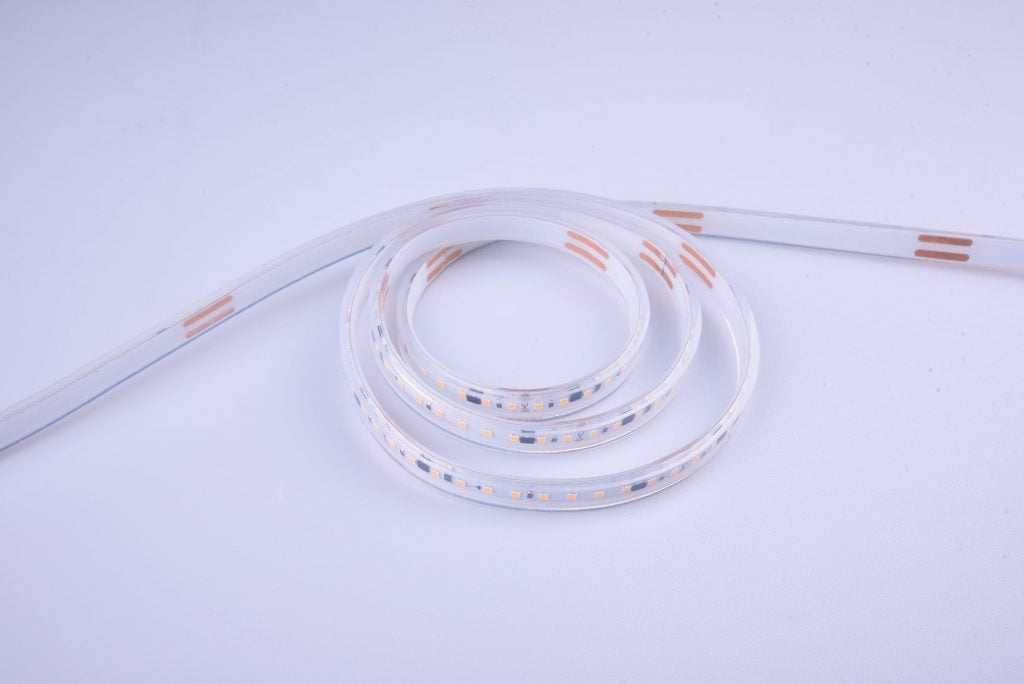
Hidden Costs and Flaws in custom LED strip lights
I’ve worked in commercial lighting supply for over 15 years, and I’ve seen the same pain points repeat. The technical side is where many mistakes hide: incorrect driver sizing, poor PCB thermal design, and unclear IP ratings. I won’t sugarcoat it — those oversights add up fast. For example, in March 2022 at our Dallas warehouse, a run of 24V 5050 SMD LED strips (120 LEDs/m) from a small OEM began showing a 12% lumen drop after 48 hours of continuous testing. That batch had thin 1-ounce PCBs and a marginal power converter; we documented a 2% field failure in the first month once the strips shipped to a Florida storefront that kept them on 14 hours a day.
Let’s get specific about the technical terms that matter. SMD LEDs, driver efficiency, CRI (color rendering index), lumen output, and IP rating are not optional details — they determine how long the strip lasts in real use. Low-cost assemblies often skimp on driver headroom. That means a nominal 24V driver rated at 150W might be pushed to 95% load constantly. Result: heat builds, SMD junction temps climb, and lumen depreciation accelerates. I’ve seen returns spike by 18% simply because installers misread “IP65” for a wet-exterior use case — the strip was splash-safe, not jet-wash safe. So yes, you can save on upfront unit cost, but the warranty, rework labor, and reputational hit make cheap choices expensive.
What exactly trips buyers up?
Mislabeling. Ambiguous specs. And assumptions about mounting. I remember a November 2019 order for 1,200 meters of aluminum-channel-mounted strips for a restaurant chain in Seattle. The client assumed the adhesive would hold on cold metal; it didn’t. Adhesive failure cost a five-day install delay and $2,400 in rework. Small numbers. Big consequences. That’s why we started insisting on clear installation guides with every roll. No fluff. Just torque specs, thermal path notes, and alternate adhesive options.
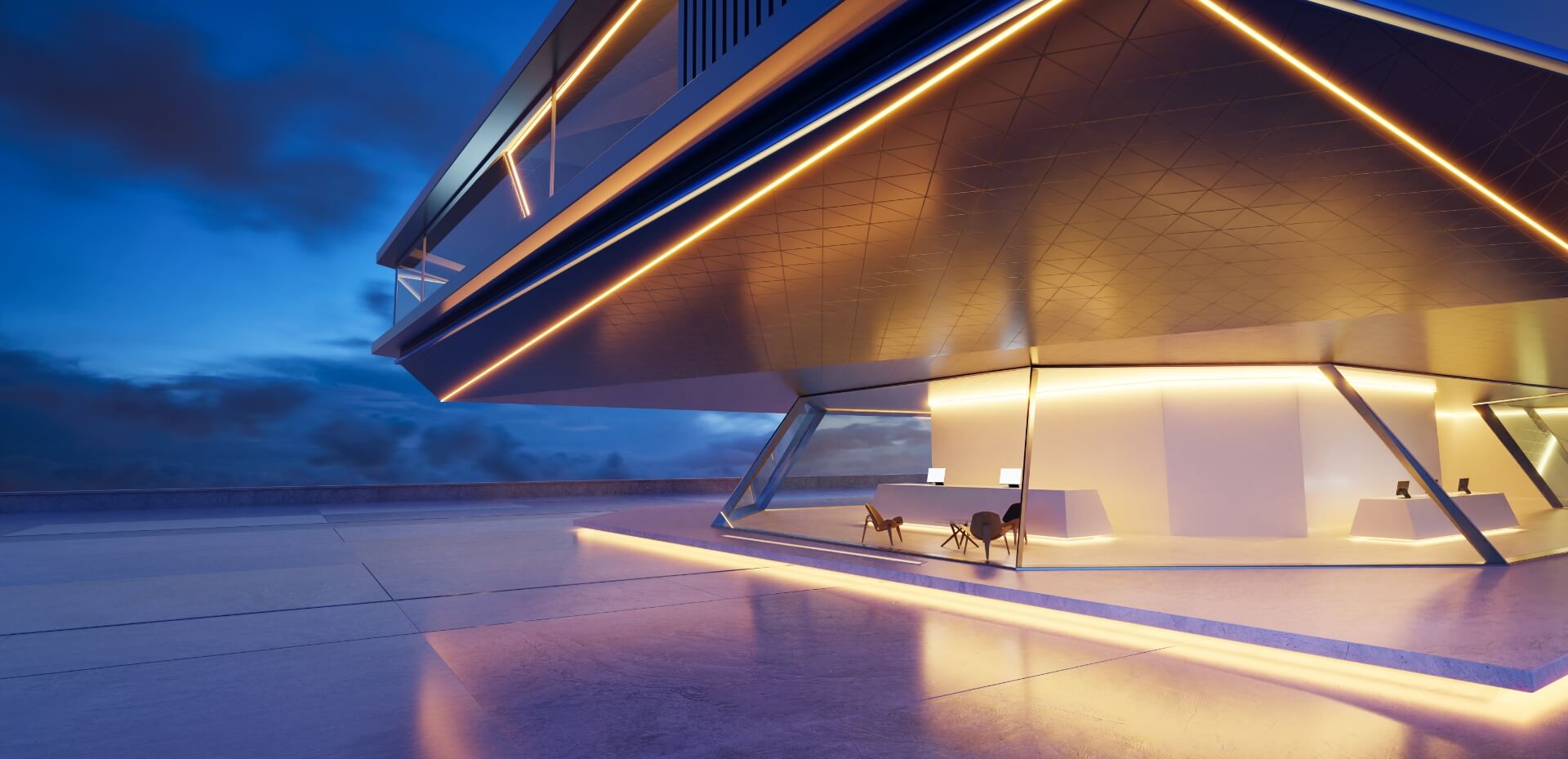
Comparative Outlook: Case Examples and Future Direction
Look at two case examples from the past three years. Case A: a midwest retailer opted for a low-cost generic strip for aisle lighting in June 2021. The strips were cheap at $0.95/m but had a weak power converter and thin PCB. After six months, aisles had uneven output and color shift (CRI dropped noticeably). Returns and relamping ate any initial margin. Case B: a regional chain chose engineered runs of exterior LED lighting strips with proper IP67-rated housings and matched drivers in September 2021. Upfront cost ran higher — about $2.70/m — but they reported a 40% lower maintenance budget in year one, fewer complaints, and a clearer invoice trail for accounting. The difference? Design for environment, not just price.
New technology helps, too. Better thermal adhesives, higher-grade FR-4 PCBs, and modular driver designs reduce field failures. — That shift matters when you scale. And the next wave—smart drivers that report current draw and temp—lets you spot a failing run before a store manager does. We installed such logging-capable drivers in a test location in Austin in January 2024; within three months, telemetry flagged two runs that were drawing 9% more current than spec. We caught a wiring harness fault before it caused any visible dimming. Small win. Big lesson.
What’s Next for Suppliers and Buyers?
Think about three concrete evaluation metrics when you choose a supplier or product line. First: driver headroom and efficiency — request measured efficiency curves at load percentages, not just a rated wattage. Second: thermal path documentation — ask for PCB copper weight, adhesive thermal conductivity, and mounting channel specs. Third: environmental classification — insist on clear IP and salt-spray test records if you sell to coastal or outdoor clients. I advise buyers to insist on these tests in writing. They save time and money later. — It’s plain math.
To wrap up: I’ve watched companies pivot from chasing the lowest per-meter price to specifying total installed cost. That shift matters when you handle 500+ meters a month. You’ll reduce returns and protect margins by focusing on drive systems, PCB construction, and correct ratings for site conditions. We’ve used these approaches with customers from New York restaurants to California storefronts and seen real, measurable results: fewer field failures, lower labor costs, and better customer satisfaction scores. For practical sourcing and technical documentation, start every purchase order with clear driver specs and installation notes; that small upfront discipline prevents bigger headaches.
For sourcing or technical questions, check options and product details at LEDIA Lighting. I’ve relied on documented test data and real-world runs for years — that’s how I know which choices hold up.