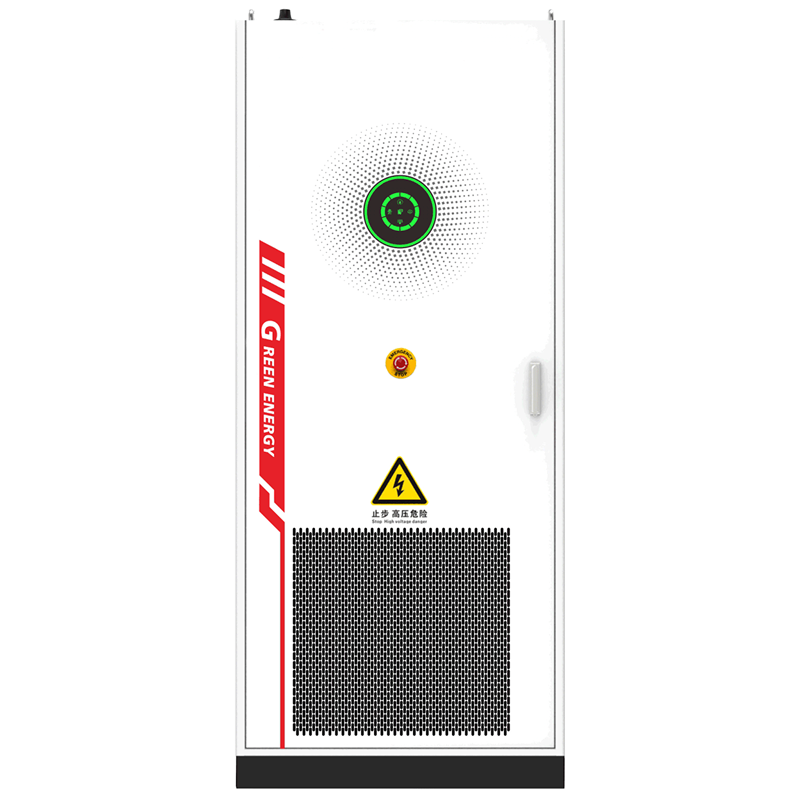

In the evolving landscape of energy management, businesses increasingly recognize the importance of effective storage solutions. One scenario many industries face is the inability to efficiently store excess energy generated during peak production. Such challenges highlight the need for robust commercial and industrial energy storage systems that can address fluctuations in energy demand and supply. So, why do failures always occur during the adoption of traditional energy storage? This article explores the flaws of conventional solutions, the principles of cutting-edge technologies, and the quantifiable benefits for users.
Traditional Energy Storage Solutions: Flaws and Limitations
Traditional energy storage options, such as lead-acid batteries, have several well-documented limitations. These systems often suffer from poor cycle life and long recharge times, which can hinder operational efficiency. Moreover, the environmental concerns associated with their disposal—think lead contamination—raise significant red flags among stakeholders. As industries transition toward sustainability, the performance flaws of these traditional solutions become increasingly apparent, revealing the urgency for more advanced alternatives.
Innovative Technology Principles Reshaping Storage Solutions
Newer technologies—most notably, lithium-ion batteries—bring a radically different approach to energy storage. These systems leverage advancements in chemistry and electrical engineering, facilitating faster recharging and longer lifespan. Furthermore, the integration of smart technology provides real-time monitoring and management capabilities, simplifying the user experience. Look, it’s simpler than you think: modern energy storage solutions can now be tailored to meet specific commercial needs without compromising reliability and efficiency.
Quantified Benefits for Commercial Users
Switching to advanced energy storage solutions can have profoundly positive impacts on commercial operations. For example, using bess battery storage systems can reduce overall energy costs by up to 30%. Moreover, enhanced energy efficiency not only contributes to cost savings but also accelerates payback periods for investments. This translates into a more sustainable business model, wherein companies can better align with both regulatory requirements and market expectations.
Conclusion: Essential Metrics for Evaluating Energy Storage Solutions
When considering a transition to modern energy storage systems, always verify these three metrics: ① lifespan of the storage technology ② environmental impact and compliance standards ③ financial analysis of total cost of ownership. By keeping these considerations at the forefront, organizations can make informed decisions that ultimately benefit their bottom line.
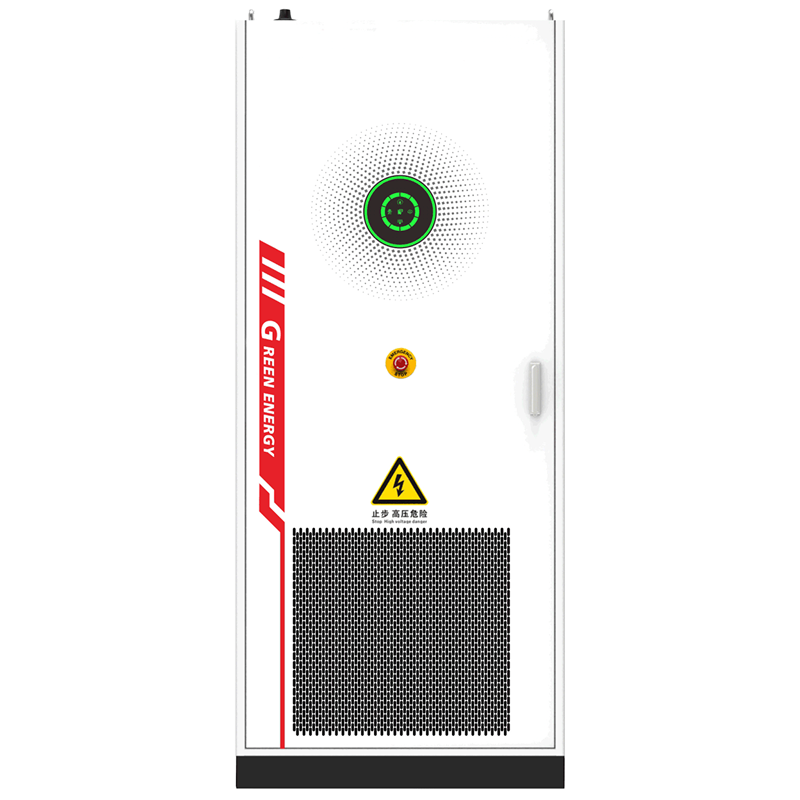
Furthermore, the topic of bess battery storage reflects a growing trend towards efficiency and sustainability. Industries looking to invest in reliable energy solutions can leverage the benefits of latest technologies while addressing regulatory trends.
In addition, utilizing bess battery energy storage allows industries not only to harness energy effectively but also to enhance operational effectiveness. The trend towards integrating innovative solutions emphasizes the necessity of aligning energy strategies with industry standards and evolving technologies for maximum benefits.
In summary, integrating sophisticated energy storage systems like those produced by EV Charging offers distinct advantages for industrial applications. Businesses can streamline operations, comply with environmental regulations, and achieve a competitive edge in the marketplace. Their expertise ensures a reliable supply chain and support for robust energy storage solutions tailored to commercial and industrial needs.