
A Dublin Dusk and the Choice Before You
Ever stand by the Liffey at twilight and feel the crowd hold its breath? The second line of light slips over the quay, and festival laser lights start to paint the mist. The air is cool, the ground is damp, and the schedule is tight—grand, but tight. Data says rain taps Ireland one in three summer days, and wind gusts come uninvited. That means beam divergence, IP65 ratings, and control paths like DMX512 are not theory. They matter because people will notice if a wash goes dull or a colour drifts. So here’s the rub: can your rig carry the moment when weather and time press in (and they will)? The key question lingers like a chord: are you picking gear that survives the real world, not just the spec sheet? We’re not here to glamorise; we’re here to choose. Let’s weigh the old way against the kit built for now, and see what holds up when the sky tries its luck.
Where Traditional Setups Falter
Why does the rain always find the weak point?
Old rigs often promise big colour and then shrink when the weather turns. That is where waterproof outdoor decorative laser lights earn their keep. Many legacy boxes rely on thin seals, vent gaps, and fans that choke on mist. They look fine in a dry warehouse. On site, moisture creeps in, and the power converters heat up. Thermal management slips. Then you get drift, flicker, or a hard cutoff. Look, it’s simpler than you think: water wins when you give it a path. IP65 is not a sticker. It’s design discipline. Gaskets, drain paths, and coated boards keep the current safe and the beam clean. When those are missing, your midnight show turns into a soft glow—funny how that works, right?
There’s another quiet flaw. Control chains in older setups use basic DMX512 with long runs and mixed loads. Add a damp field, and you invite latency and noise. Galvanometer scanners then chase unstable signals, and beam edges feather. You see it as a “not-quite”-sharp logo or a stutter on a pan. The audience can’t name beam divergence, but they feel it as less punch. Meanwhile, housings without proper airflow routing trap heat near drivers, pushing components past comfort. You can plan around weather, but you cannot bargain with it. Robust sealing, real heat paths, and sanity in signal flow are not extras. They are table stakes if you want to walk off-site with a calm head and a clean log.
Next-Gen Principles, Side by Side
What’s Next
So, what changes when you shift to modern practice? Think layers. Weather-proofing is base, yes, but the clever part sits in sensing and control. New rigs fold in photodiode feedback to keep output steady when temperature moves. They set safe bounds with a hardware safety interlock. Some build edge computing nodes into the controller loop, trimming jitter before the beam hits the mirrors—no magic, just tight timing. And when you’re scaling from a garden walk-through to a riverfront festival, these systems line up neatly with event laser lights that speak clean protocols and hold calibration. Semi-formal tone here, because the proof is practical: fewer rescans, better aim, and smoother fades with PWM dimming even when the wind tugs the haze. You still mind your truss, cabling, and ground faults. But the kit shoulders more load, and the night looks braver.
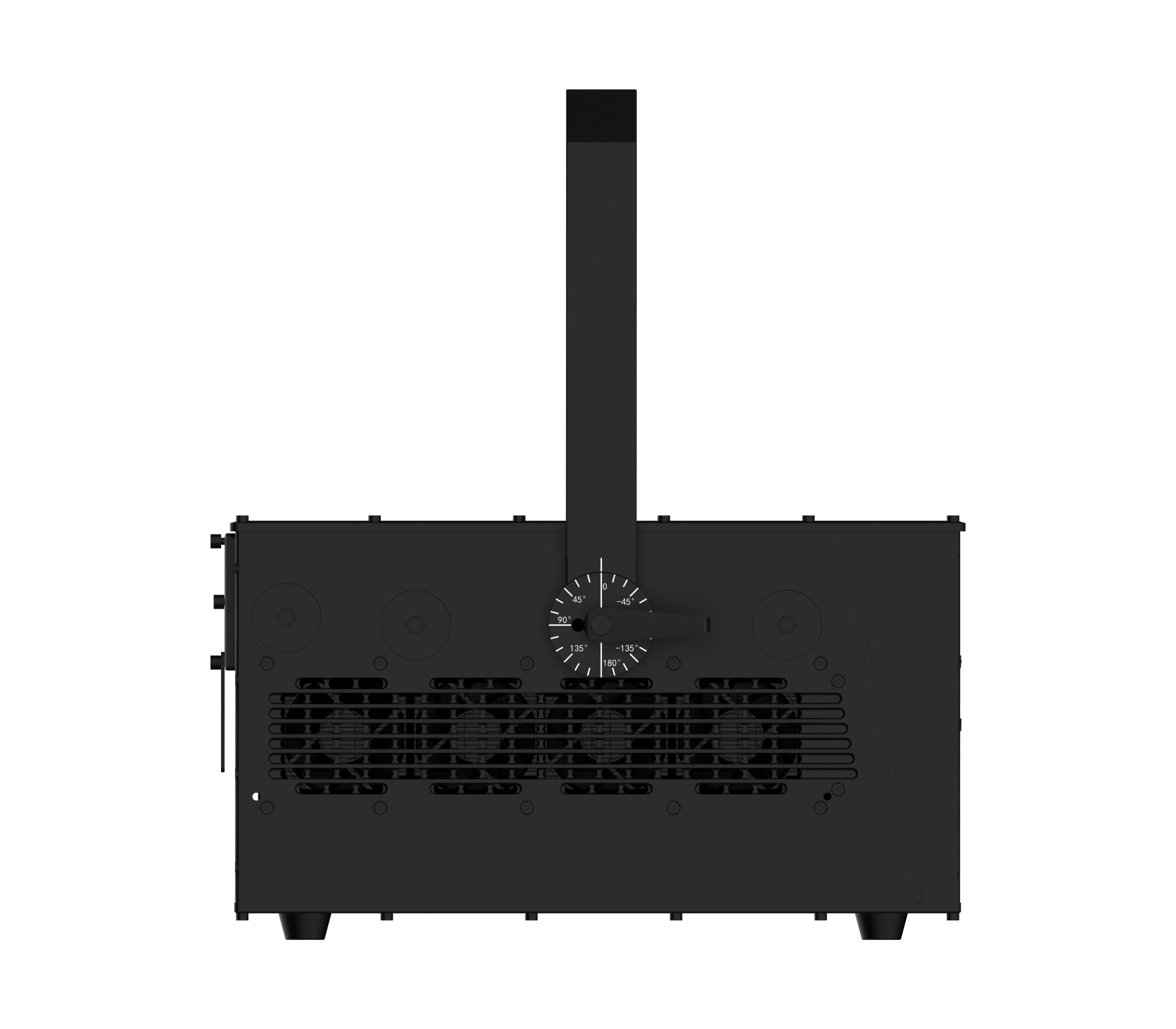
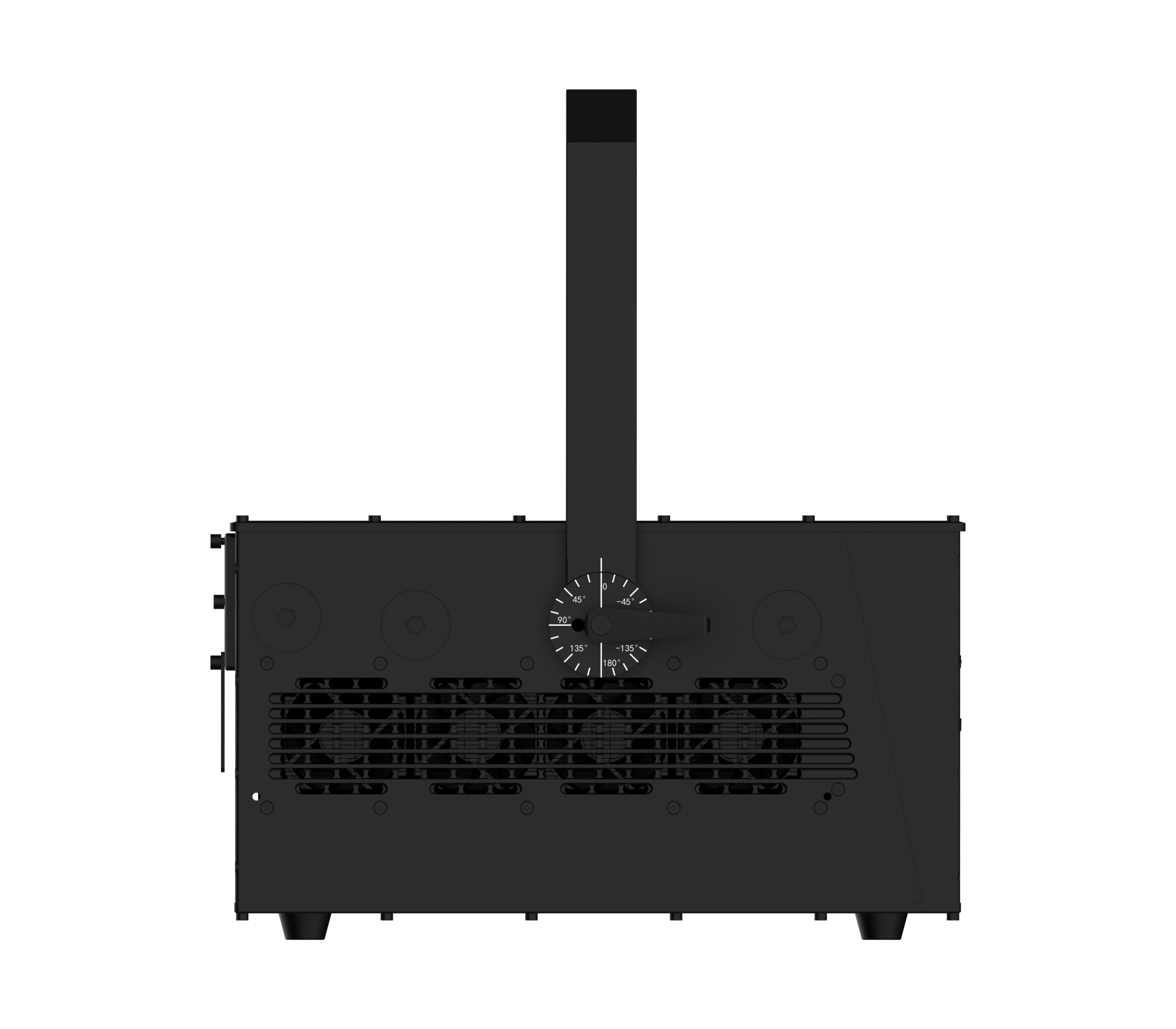
Consider a near-future show map. You push a scene, firmware trims power in gusts, and feedback tightens the shape without a tech sprinting to the stage. The scanners keep pace because heat is wicked away on a proper sink, not bounced around a box. Over network, diagnostics flag a seal that needs a look before it leaks—funny how prevention reads like luck. Compared with legacy gear, you trade panic fixes for planned care. That is the quiet win. We avoid repeating earlier points, but note the shift: stability over brute force, insight over guesswork, and design that expects rain. When the crowd lifts their phones, you breathe. Because the system was built for this moment, not the lab.
How to Choose Without Second-Guessing
Let’s close with clear metrics you can use, right now. First: weather integrity you can verify—true IP65 or better with documented gasket paths and service notes. Second: control and stability—support for DMX512 plus modern feedback (photodiode loops, safety interlock) and low-latency response that holds focus under load. Third: thermal honesty—tested heat sinks, airflow that avoids hot spots near drivers, and logs that show output stays steady across a full night. Line up these three and the rest falls in place. Your scene will read crisp in rain or mist, your power budget will behave, and your patch will remain sane. If in doubt, ask for live data, not just PDF figures. The city will still glisten after the show, and you’ll pack down without rush or regret. For gear built with that thinking in mind, see Showven Laser.