

Introduction: Why this comparison matters
Have you ever wondered why some shops can double output without doubling staff? Double spindle CNC machines often hold the answer. The double spindle CNC machine lets operators run two parts at once, cutting cycle times and improving throughput (and yes, it changes how you think about layout). Across the industry, small shops report productivity gains of 30–60% when they adopt twin-spindle setups; larger shops cite even higher figures when combined with automated pallet changers and smarter tool libraries. So, what should you actually look for when choosing between models — and how do manufacturers’ claims match reality?
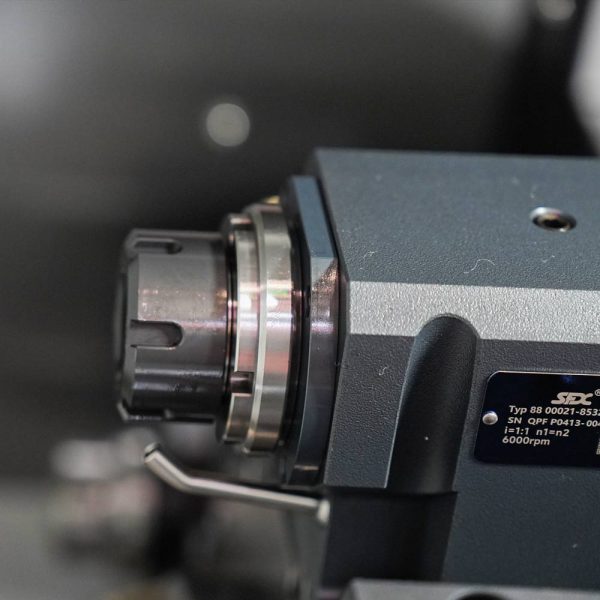
I’ll be frank: I’ve seen neat spec sheets that sound brilliant on paper but fail on the shop floor. In my view, the practical markers are not just spindle speed or max torque. They are reliability of axis control, the quality of the servo turret, and how well the controller handles simultaneous operations. Quick note — tool offset routines matter more than people expect. In the next section, we’ll dig into where traditional solutions fall short and why that matters for you.
Part 2 — Where traditional solutions fail (and hidden pain points)
cnc turning manufacturer promises repeatability on marketing pages — but repeatability depends on more than rigid castings. Many conventional approaches emphasise raw spindle speed and torque, yet ignore thermal drift, inadequate axis control, and messy tool-change logic. I’ve watched shops buy machines for peak rpm and then struggle with poor finish because the tool offset strategy was clumsy. Look, it’s simpler than you think: consistent feed rate, predictable thermal compensation, and a smart tool turret win more parts per shift than a few extra hundred rpm. — true, right?
What’s worse, maintenance pain is often hidden in the details. Operators complain about hard-to-reach lubrication points, troublesome G-code macros that break under real loads, and spindles that need constant balancing. These are the kinds of failures that don’t show up during factory demos. In short, manufacturers who focus only on specs like “max power” or “tool count” miss the human factors: ergonomics, diagnostics, and recoverable error modes. We need to look beyond the spec sheet and assess how a machine behaves over weeks, not minutes.
Why does that matter?
Part 3 — New principles and a forward-looking comparison
Moving forward, I favour principles over buzzwords. New designs pair smarter CNC controllers with predictive maintenance algorithms; they combine axis control improvements with better spindle monitoring. When you consider a twin spindle lathe, ask whether the control can manage simultaneous tool paths without losing sync, and whether vibration sensors feed the controller to adjust feed rate in real time. These are not fanciful ideas — they are practical improvements that cut scrap and boost uptime. — funny how that works, right?
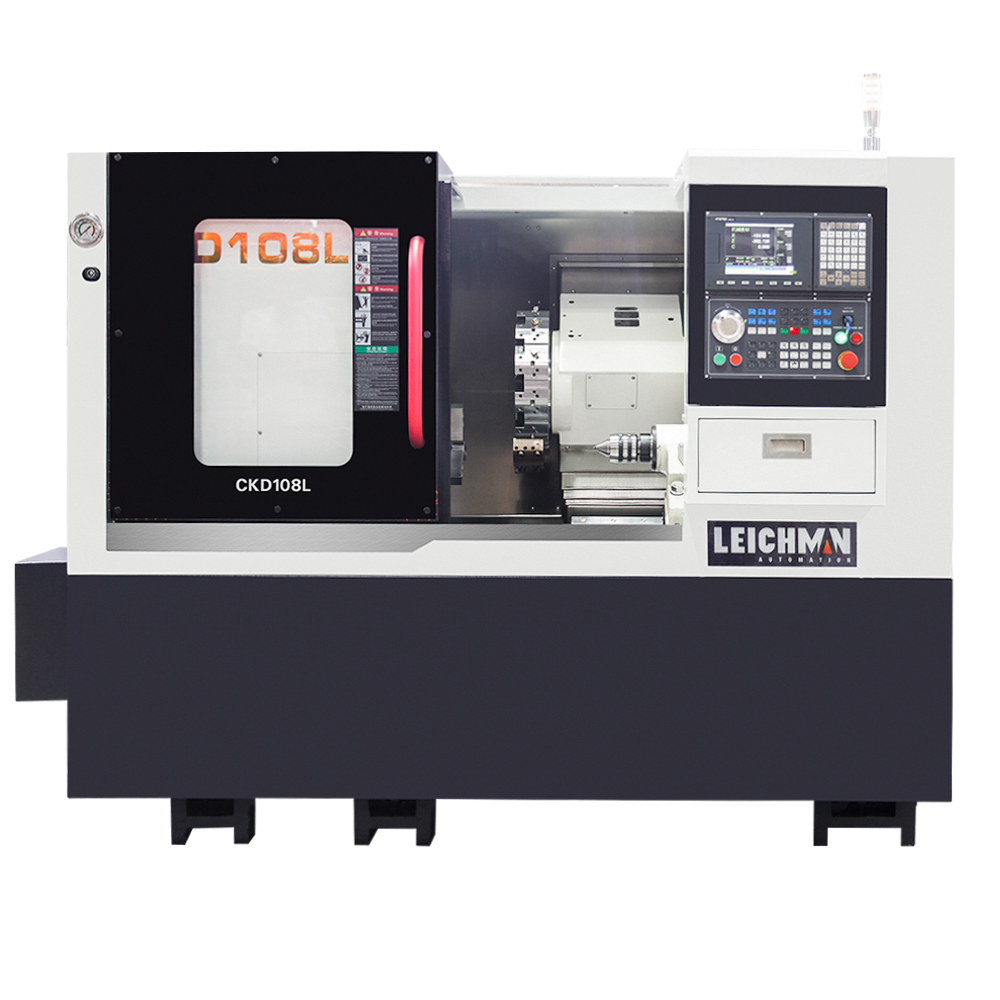
Let me give a brief, practical checklist based on new-technology principles: 1) real-time spindle monitoring and adaptive feed rate; 2) a modular servo turret and straightforward tool offset management; 3) intuitive diagnostics for quick fault recovery. Each element reduces downtime and makes the cell easier to run. I’ve seen shops cut setup time by nearly half when they implemented these three changes together. The outcome is not only faster cycles but also less stress on the crew — and that often translates into steadier quality and fewer late shifts.
What’s Next — How to decide
My final advice is actionable. When comparing machines, focus on measurable metrics. Check run-time logs, insist on a demo that runs your actual part, and test diagnostics under a fault scenario (yes, ask them to trip one). Be guided by three key evaluation metrics: 1) Measured cycle time for your part under real tooling; 2) Mean time to recover from a common error; 3) Cost-of-ownership estimates that include consumables and expected maintenance. If a supplier can’t provide those numbers, be cautious. I prefer vendors who back claims with data — and who let you see a machine run your part for a full shift. Weigh those metrics and you’ll make a better choice.
In closing, I believe the right decision balances spec with shop-floor reality. Consider spindle dynamics, axis control, and serviceability — not just headline rpm. If you want a reliable partner, explore machines backed by clear diagnostics and practical support. For a trusted reference and broader product information, see Leichman.