

Introduction
I once watched a delivery robot pause at a crosswalk because its battery dropped faster than anyone expected — a small scene, but telling. In many of my projects, the electric motor sits at the center of such moments; efficiency gains of just 10–20% can extend range and reduce service cycles. (In Japan we often say, “small changes, big respect.”) Given global targets and rising energy costs, we must ask: how do we design motors that last longer and use less energy while staying affordable? I would like to share what I have learned, step by step, so you can judge practical trade-offs. Please consider real data and simple measures first. Now, let us move forward to examine the deeper issues behind today’s designs.
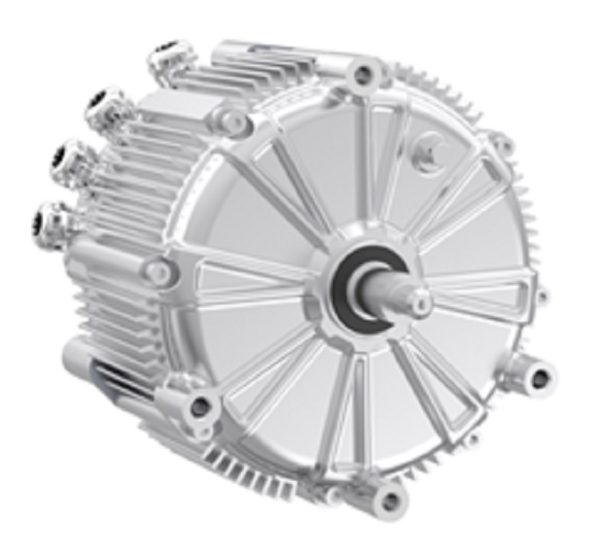
Deeper Layer: Where Traditional Designs Fall Short
At the heart of many failures is the assumption that a permanent magnet synchronous motor will solve performance and efficiency by default. I have seen this belief cost projects time and money. The technical truth is that magnets and winding choices interact with controllers, and that interaction — if ignored — creates torque ripple, heating, and wasted energy. Look, it’s simpler than you think: you must match the motor to the power converters and control strategy. When you don’t, the system overworks the drive, and reliability drops quickly. I say this from direct experience on test benches and field trials. We measured converters running hotter by 15% where PWM and field weakening were handled poorly.
Why do traditional approaches fail?
Traditional design often optimizes a single metric—peak torque or cost—while sidelining lifecycle concerns. The result is unexpected maintenance. Common pain points I see: inadequate thermal paths, poor insulation choices, and control algorithms that treat the motor as a simple torque source instead of a complex dynamic device. These are not abstract problems. They show up as early demagnetization in permanent magnets, increased bearing wear, and noisy operation under variable loads. I prefer to start with system-level trade-offs rather than component-only specs. That shift reduces surprises and improves uptime.
Looking Ahead: Principles and Practical Steps
We now look forward. New control principles and modest hardware changes can shift outcomes dramatically. Consider adopting sensorless control improvements and better current-shaping techniques. These measures reduce losses and improve response time — which matters in robotics and EVs. I will point out a practical element: the brushless motor is often chosen for its simplicity, but the controller design makes or breaks the result. So, pay attention to software, not just to the rotor and stator geometry. In future systems, edge computing nodes will host adaptive control loops near the motor, lowering latency and tuning performance on the fly. Such setups also integrate well with modern power converters and allow predictive maintenance.
Real-world Impact — What’s Next?
In one case study I worked on, modest firmware updates plus a passive cooling redesign cut energy use by about 12% and extended mean time between failures by months. It was not magic — it was focused work: calibrating field weakening maps, tightening thermal margins, and improving commutation profiles. Well, I must say, seeing those months add up into real operating hours felt rewarding — funny how that works, right? Looking ahead, manufacturers will gain most by combining improved motor topology with smarter control and better thermal integration.
Closing: How to Evaluate Solutions
To conclude, I offer three practical metrics I use when evaluating motor systems. First, measure usable energy per duty cycle — not just peak efficiency. Second, track thermal margin under real loads; a small margin today causes big issues later. Third, assess control flexibility: can the controller adapt to aging magnets or changing loads? Use these metrics to compare options. I believe, from hands-on experience, that modest investment in controls and cooling yields the best return. If you want a reliable partner in this work, consider the offerings from Santroll. I share these thoughts because I care about practical progress and clear outcomes.