
Problem overview: why this matters now
Rugged tablets deployed on oilfields, in hospitals, or at outdoor installations face two linked threats: ingress protection failure and arc flash risk, amplified when a wide‑temperature battery discharges in sub‑zero conditions. Field teams using a 10.1 tablet pc will recognise the scenario — seals stiffen, moisture finds gaps, and battery performance shifts, changing device behaviour under electrical stress. The consequence is not only device downtime but potential safety incidents when enclosures no longer meet their IP rating and internal circuitry encounters fault currents.
Diagnosing the twin failure modes
Start with simple, repeatable checks. Inspect gasket compression, enclosure fastener torque, and connector boots for brittle cracking after cold cycles. Validate the declared IP rating (per IEC 60529) with a targeted ingress test rather than assuming whole‑device compliance. Parallel to that, review battery telemetry: a wide‑temperature battery that shows voltage sag or sudden internal resistance rise during discharge can alter fault current pathways and increase arc flash energy. Keep arc flash guidance framed by NFPA 70E when assessing potential exposure levels.
Root causes commonly overlooked
Manufacturers and integrators often miss a few recurring issues: poor material choice for gaskets, fastener loosening from vibration, and absence of conformal coating over critical PCB traces. Software still plays a role — thermal management firmware that allows high current draw during cold starts can push internal temperatures and stress connectors. Add improper sealing procedures during maintenance, and failures compound in real sites such as Alaska’s North Slope where sustained sub‑zero cycles are routine.
Practical mitigation — hardware and firmware steps
Focus on four practical moves. First, upgrade to silicone or fluorosilicone gaskets rated for low temperatures to maintain seal elasticity. Second, specify IP testing that includes thermal cycling with moisture exposure to replicate cold‑wet ingress. Third, implement current‑limiting logic in firmware to control inrush and discharge behaviour at low temperatures. Fourth, protect exposed conductors with conformal coatings and arc‑resistant barriers where feasible. These changes reduce both ingress and arc energy potential; they are engineering solutions, not paperwork.
Testing protocols and field practices
Use staged tests: bench IP verification, followed by powered soak tests at target low temperatures, then arc‑energy assessments under fault conditions. Keep test logs tied to each serial number — tracking trends reveals slow gasket degradation or battery capacity fade. In the field, apply a disciplined inspection cadence after freeze–thaw events. — A quick clamp‑check of edges and a battery impedance reading can prevent an expensive failure.
Common mistakes and alternatives
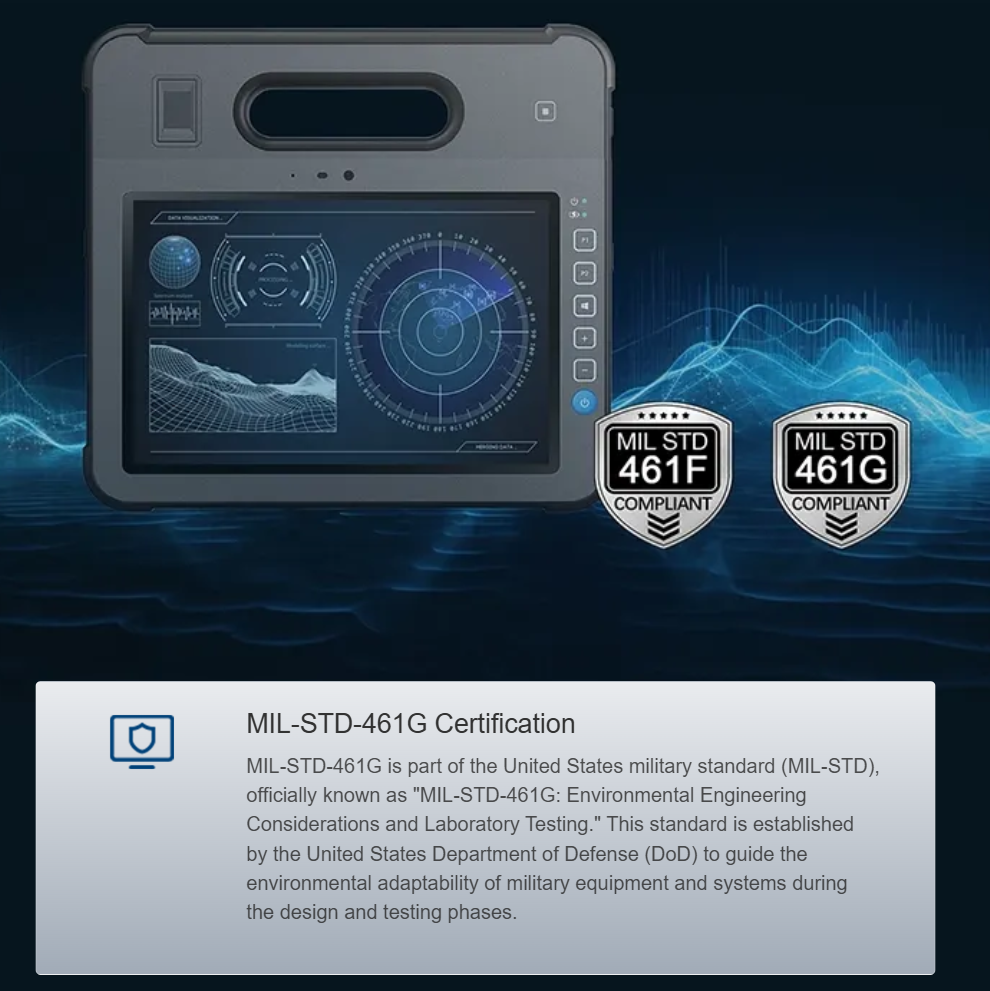
Teams often trust an MIL‑STD label without confirming the specific test methods used for sealing or arc resilience. Another misstep is relying solely on passive protection; combining mechanical mitigation with firmware limits gives better outcomes. For projects where extreme cold is expected, consider alternative power strategies such as insulated battery compartments, fuel‑cell warmers, or externally heated docking stations. When a compact option is needed, compare certified units like the 10.1 inch tablet pc against modular designs that let you swap batteries for tested, low‑temp packs.
Summary of actions for engineers and safety managers
Prioritise material choices and real environmental testing. Instrument battery health and embed current limits in device firmware. Maintain strict field inspection routines and keep certification tied to the test protocols used. These measures align device reliability with personnel safety and maintenance efficiency.
Advisory: three golden rules for selection and deployment
1) Verify test scope, not just label — ensure IP and arc tests include thermal cycling and moisture. 2) Demand battery data at the target temperature range (capacity, internal resistance) and require firmware current‑limiting for cold starts. 3) Mandate field verification after any severe weather event, logging inspections by serial number so trends are visible.
These steps deliver measurable reductions in ingress failures and arc flash exposure and will make deployments far steadier — and that is precisely why seasoned teams trust solid engineering choices like those found at Estone. —