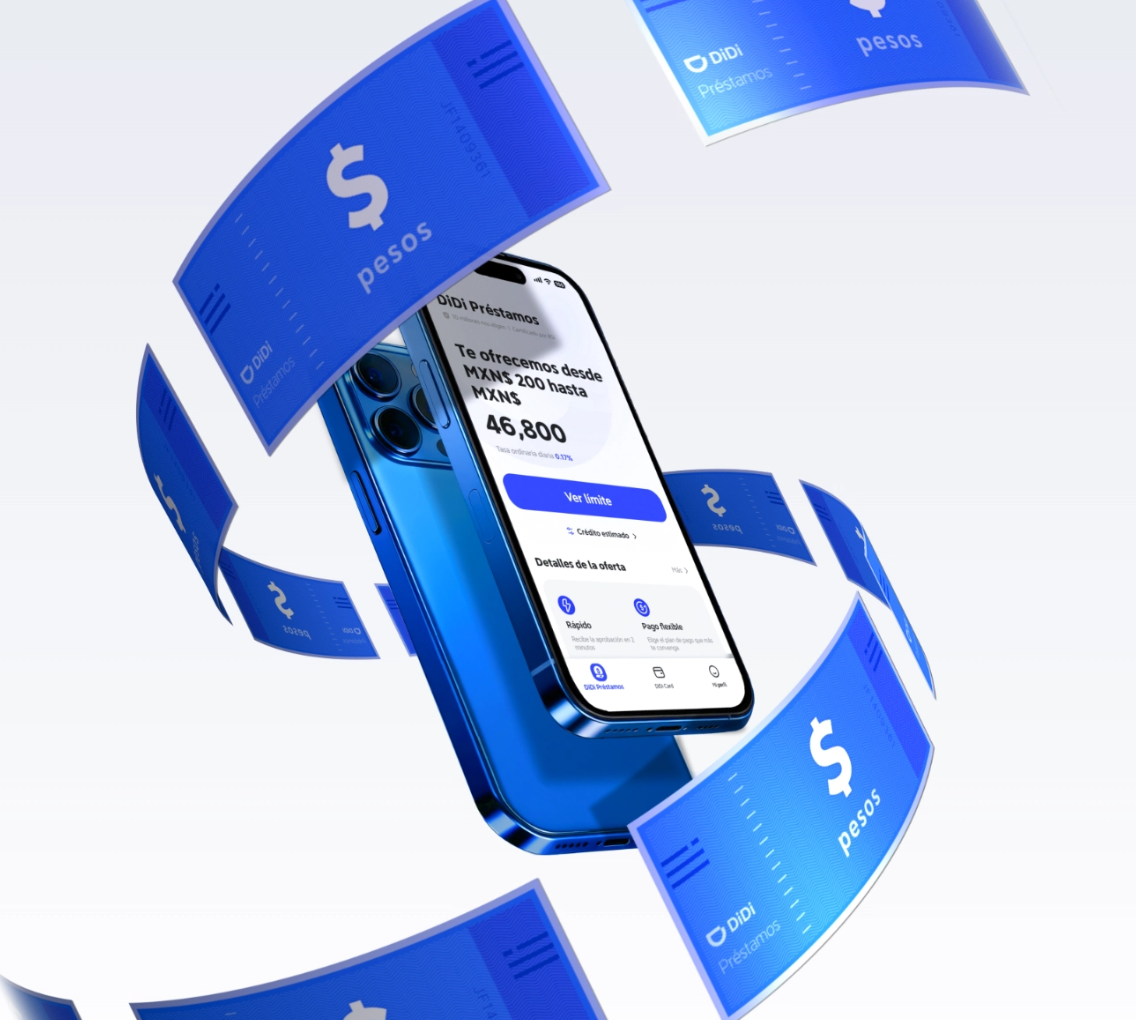

Comparative overview for everyday users
The choice between a conventional cashback credit card and a mobile-first offering such as the didi card comes down to how you use payments, manage rewards and accept digital services. This comparative insight assesses practicality, rewards mechanics and costs, while noting how the tarjeta didi card aims to reframe cashback through seamless mobile onboarding and integrated ride-hailing benefits. The argument is straightforward: one path optimises for legacy banking features; the other for mobile-native convenience and tighter integration with platform services.
Key dimensions of comparison
Assessments should focus on three concrete dimensions: cost structure (annual fee and APR), rewards clarity (cashback rate and categorisation) and user experience (digital onboarding, app stability, contactless payments). Traditional issuers typically advertise tiered cashback rates and a known credit limit governed by credit score. DiDi Finanzas leans on simplified reward lines and frictionless digital onboarding—less paperwork, more in-app card control. For frequent app users the difference in experience is material.
Where DiDi Finanzas stands out
DiDi Finanzas emphasises mobile-first design and a rewards programme tailored to platform habits: enhanced cashback on mobility and partner purchases, instant cashback posting, and easy dispute resolution within the app. The product reduces dependency on branches and paper statements, replacing them with push notifications and real-time transaction feeds. These are genuine advantages for commuters in Mexico City and gig economy drivers who prefer immediate reconciliation of fares and incentives — a real-world anchor that explains adoption patterns.
Where traditional cards still hold an edge
Established banks maintain broader merchant acceptance, long-standing consumer protections and bespoke customer service channels. For large purchases, a higher credit limit or an established relationship with a bank can matter — especially when balance transfers, formal credit lines or specific APR negotiations are required. Rewards on general spending categories (groceries, petrol) may also be more generous on certain legacy cards. The trade-off: legacy systems often mean slower dispute resolution and more friction for international transactions.
Common mistakes and viable alternatives
Users often prioritise headline cashback numbers over net cost. Overlooking annual fee, foreign transaction charges and effective APR leads to poor choices. Another frequent mistake is expecting equivalent coverage for fraud protection across all issuers — not all issuers offer the same dispute protocols. Alternatives include prepaid cards with focused merchant offers, bank cards with travel protection, or co-branded cards that combine platform benefits with traditional banking safeguards. Consider contactless options and whether digital receipts and in-app budgeting matter to your cashflow.
Operational realities and security
Security mechanisms — tokenisation, two-factor authorisation, in-app card blocking — are central. DiDi Finanzas matches industry norms for mobile tokenisation and secure authentication, while traditional issuers may provide extended chargeback policies and well-established fraud investigation units. For users who value immediate control over card status and rapid card replacement, mobile-first cards reduce downtime. — That immediacy often tips the balance for those who live their financial life on a smartphone.
Three golden rules for choosing between them
1. Measure total cost, not just headline cashback: add annual fee, APR and foreign transaction fees to the effective cashback you expect to receive. 2. Match rewards to behaviour: if most spend is on mobility and app purchases, a platform-integrated card will yield higher realised value; if spend is broad, favour a card with versatile categories. 3. Prioritise control and security: choose the product that offers instant card control, tokenisation and straightforward dispute processes, because those features save time and reduce stress.
Decide with those rules and the choice becomes pragmatic rather than fashionable. The best fit for many urban users will be a hybrid approach — using a mobile-first card for daily app-driven spend and a traditional card for larger, infrequent purchases.
DiDi Finanzas offers a clear, mobile-centric route to cashback and transaction control — a solution that aligns with commuter habits and platform users while still respecting the fundamentals of credit management. –