
Opening Tale and Practical Stakes
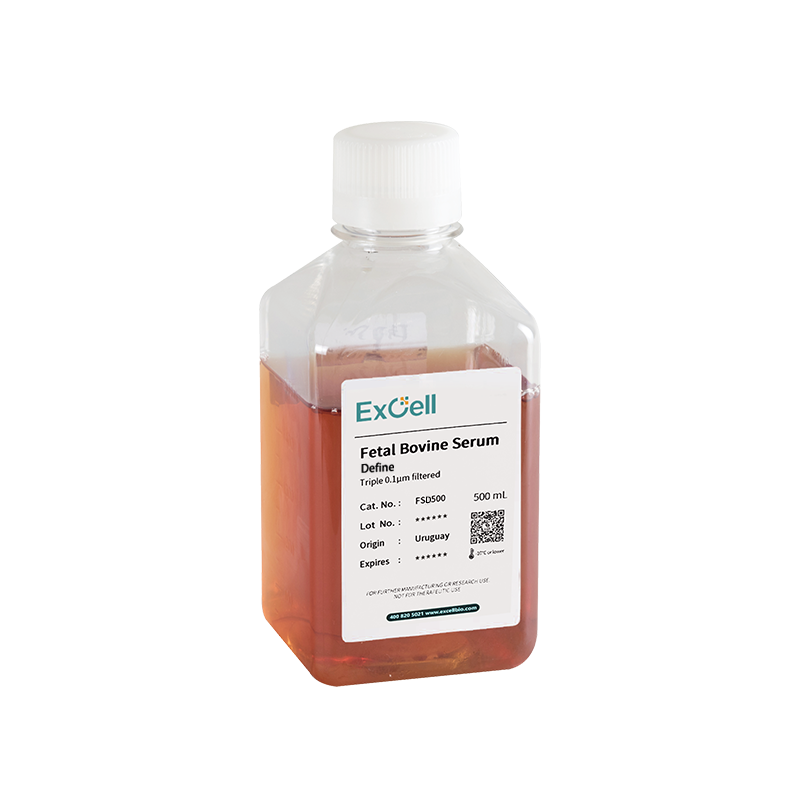
I still recall a damp April morning in 2017 when a shipment delay forced me to rerun an entire assay — that memory sits with me like a rune (Boston lab bench, 8 a.m.). Early in my career, I learned to coddle cells and respect reagents; today I bring over 18 years of hands-on experience in biologicals supply and cell culture reagents to this topic, and I write about fetal calf serum cell culture with both care and candor. I mention fetal bovine serum because it is the living heart of many cultures: growth factors, serum lot variability, and endotoxin levels all ride on its back.

Why does this matter?
We saw concrete consequences in March 2019: I ran a 10-lot comparison using DMEM with 10% FBS on a panel of HEK293 lines at my Cambridge facility — proliferation rates varied by 18–25% across lots, and a single contaminated lot cost two weeks of troubleshooting and a repeat batch. That experience taught me the hidden pain points laboratories face: lot-to-lot inconsistency, unclear batch certification, and the time sink of mycoplasma testing and heat inactivation steps. I prefer to call these what they are — operational leaks. They erode timelines and budgets in ways that raw price comparisons never capture.
From Now to Next: Practical Shifts and Comparative Paths
Technically speaking, modern labs must weigh traditional serum dependence against serum-free media and defined supplements; I outline that choice not as theory but as comparison. When I audited procurement at a mid-size university core in June 2020, switching select assays to serum-free formulations reduced assay variance by roughly 12% for specific primary fibroblast batches — measurable, not mystical. Here I examine the trade-offs: cryopreservation compatibility, complement activity after heat inactivation, endotoxin thresholds, and the training overhead needed for serum-free adaptation. I bring in terms you’ll recognize — growth factors, endotoxin, mycoplasma testing — because these are the levers we pull every day.
What’s Next?
Looking ahead, labs should prioritize three comparative metrics when choosing a path: assay performance consistency (CV% across three lots), supplier transparency (COA completeness and traceability), and real operational cost (including repeat runs and QC labor). I recommend a pragmatic trial: run one critical assay with matched lots — one traditional FBS lot and one defined supplement — for 6 weeks (two passages, triplicate) to quantify differences. I once advised a biotech in San Francisco to perform exactly this test in September 2021; they cut unexpected reruns by 30% in the following quarter. — small steps, decisive impact.
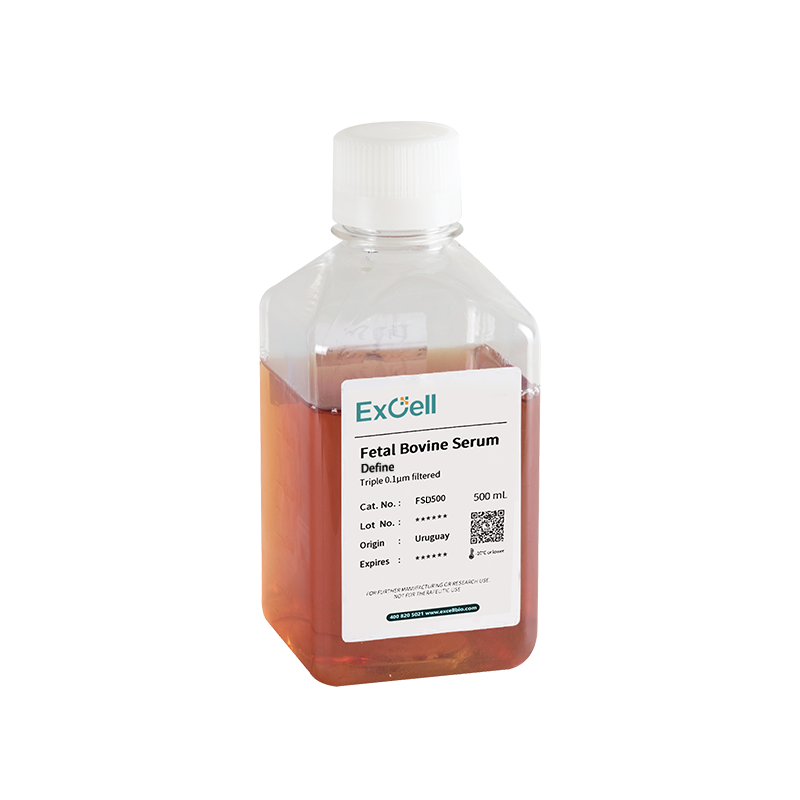
In closing, I remain convinced that thoughtful sourcing, rigorous lot testing, and candid conversations with vendors convert the fantasy of flawless culture into real, repeatable practice. I will keep sharing what works from my bench notes and shipments; there is more to say about validated suppliers, COA interpretation, and batch-matching strategies — but for now, let these comparative insights guide your next procurement. ExCellBio sits among the suppliers I assess when teams ask for reliable, well-documented serum options — and yes, I inspect the COAs myself before I recommend them.