
Opening: why a clear framework matters
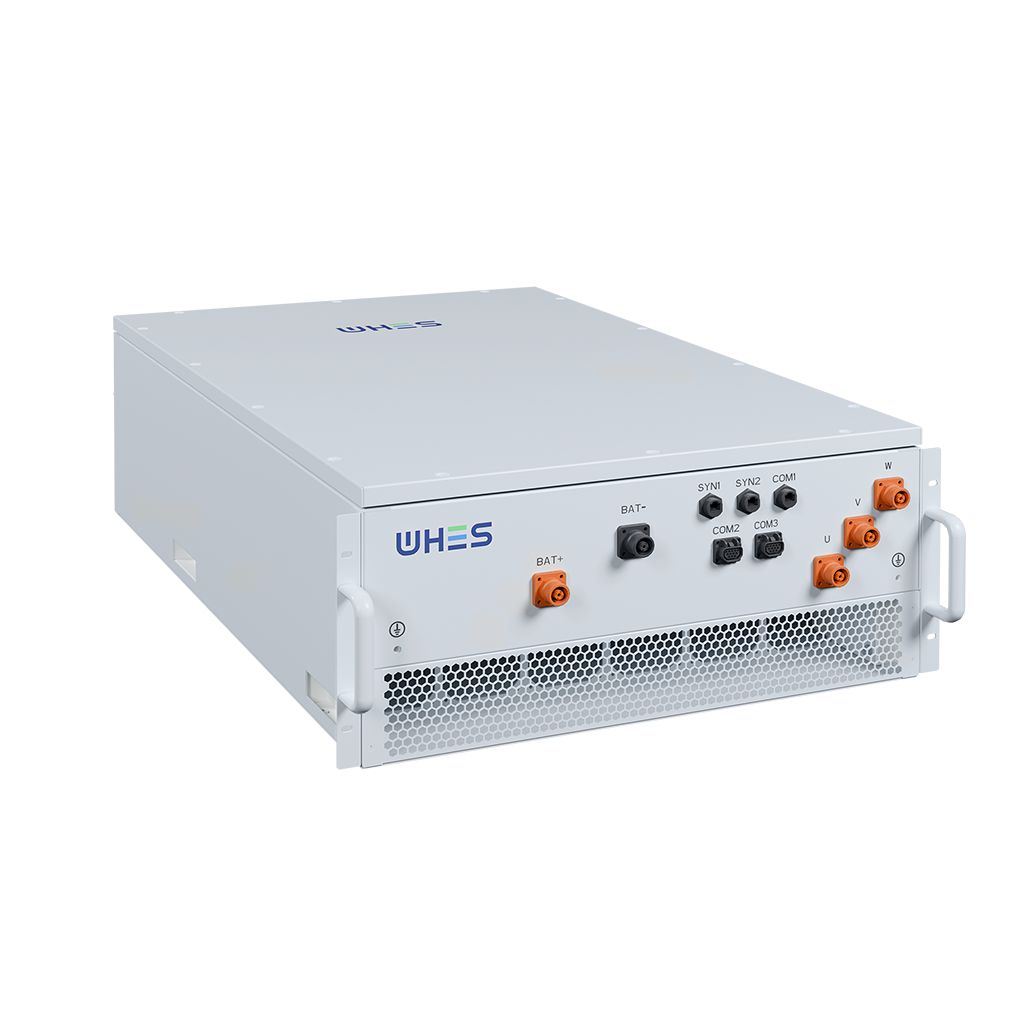
Moving a site off diesel gensets is less about ideology and more about engineering, economics and operations — a clear framework reduces risk. Start with the practical building blocks: a reliable home battery energy storage system that can handle three-phase loads, a control layer that manages islanding and grid interaction, and a plan for fuel-cost replacement. In many projects the technical heart is the three phase battery storage, which handles load balancing, peak shaving and short-duration firming while renewables scale up.
Step 1 — Define the performance requirements
Begin by mapping load profiles over daily and seasonal cycles. Note the critical loads that must remain online during outages and the non-critical ones that can be shed. Specify required discharge duration (hours of autonomy), acceptable round-trip efficiency, and inverter sizing relative to peak demand. These metrics give clear targets for battery capacity, inverter rating and the microgrid controller behaviour.
Step 2 — Choose the electrical architecture
There are a few common architectures: DC-coupled PV plus battery, AC-coupled battery behind an inverter, or hybrid genset-battery systems during transition. For sites with three-phase distribution, using a three-phase inverter and balanced battery stacks simplifies protection and reduces unbalanced currents. Also decide whether to support grid-tied operation with seamless transfer — that affects control logic and inverter firmware selection.
Step 3 — Controls, software and safety
Control strategy determines real-world performance. Prioritise a microgrid controller that manages charge/discharge based on state of charge (SoC), forecasts, and dispatch rules for peak shaving versus reserve capacity. Ensure protections for anti-islanding, thermal management and fault detection. A good controller also enables remote monitoring and firmware updates — important for long-term reliability and for responding to changing tariffs or operating conditions.
Real-world anchor: lessons from island projects
Islands and remote communities provide practical evidence. Places like King Island, Tasmania, have shown that combining wind, solar and battery can dramatically cut diesel use and fuel cost exposure while improving reliability. Those trials emphasised accurate load forecasting, robust inverter controls, and clear acceptance testing — elements you should bake into procurement and commissioning plans.
Costs, financing and procurement
Compare levelised cost of energy (LCOE) including capital, O&M, battery replacements and avoided fuel. Consider financing models: CAPEX purchase, energy-as-a-service, or hybrid leases. Procurement should require performance guarantees for throughput cycles and warranty terms tied to round-trip efficiency and cycle life. This avoids surprises when batteries degrade and system outputs fall below targets.
Common mistakes to avoid — practical reminders
Two pitfalls recur. First, undersizing inverter capacity relative to short-duration peaks — you can have plenty of energy but lack instantaneous power. Second, unclear acceptance tests: if commissioning only verifies basic energisation you’ll discover control edge cases later. Insist on integrated tests that exercise SoC limits, islanding, and brown-start scenarios. — Also, don’t overlook routine maintenance agreements for battery thermal systems and inverter firmware.
Transition roadmap — phased implementation
Use a pragmatic staged approach: 1) Install batteries and controls for peak shaving while keeping gensets for backup; 2) Run in parallel and tune the dispatch algorithm with live data; 3) Gradually reduce genset runtime and validate reliability under full islanding. This reduces operational risk and spreads capital investment while proving the microgrid controller and inverter behaviour in production.
Advisory: three critical evaluation metrics
When selecting hardware and partners, judge offers by these three metrics: 1) Availability-adjusted capacity — not just nominal kWh, but the usable energy after depth-of-discharge rules and expected degradation; 2) Power responsiveness — the inverter’s ability to meet short-term ramp and peak demands without relying on gensets; 3) Operational total cost — lifetime energy throughput, replacement schedule and service support tied into warranty terms. Those metrics shift the conversation from sticker price to measurable performance.
For practitioners looking to retire diesel with confidence, the value comes from systems that are specified, tested and guaranteed to perform under real conditions — and that’s where practical vendors who understand three-phase systems add the most value. WHES. —