
Why the shift began
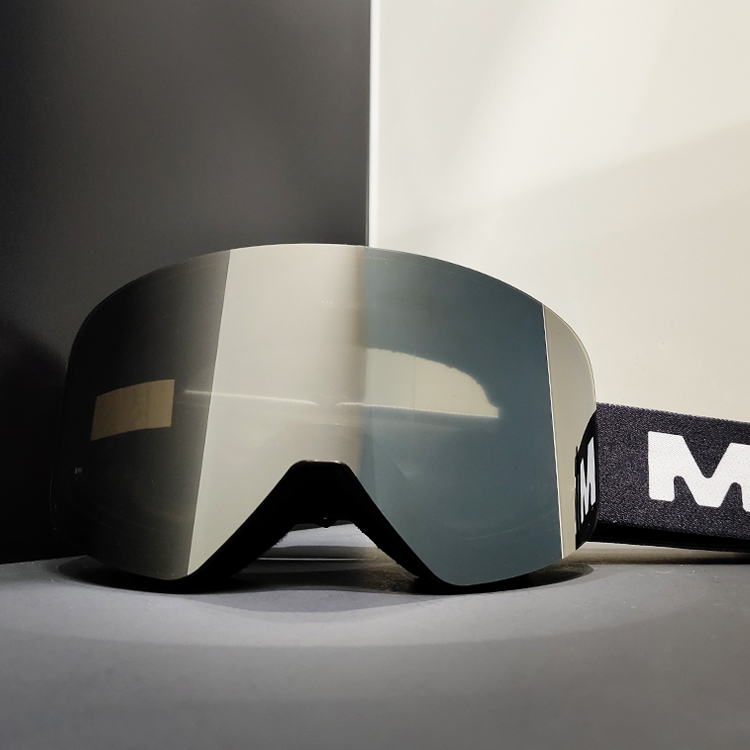
Distributors who stocked scattershot eyewear choices started standardizing after a string of field failures prompted a systems approach. We built a simple evaluation pipeline: source, lab test, field trial, and automate procurement rules. Along the way we kept an eye on items that reduce installation friction — like a reliable magnetic docking for lens swaps — which made products such as magnetic ski goggles stand out immediately. That first-phase clarity made it clear why ISO-certified prescription tactical goggles became the logical target for consolidation.
How we validated performance at scale
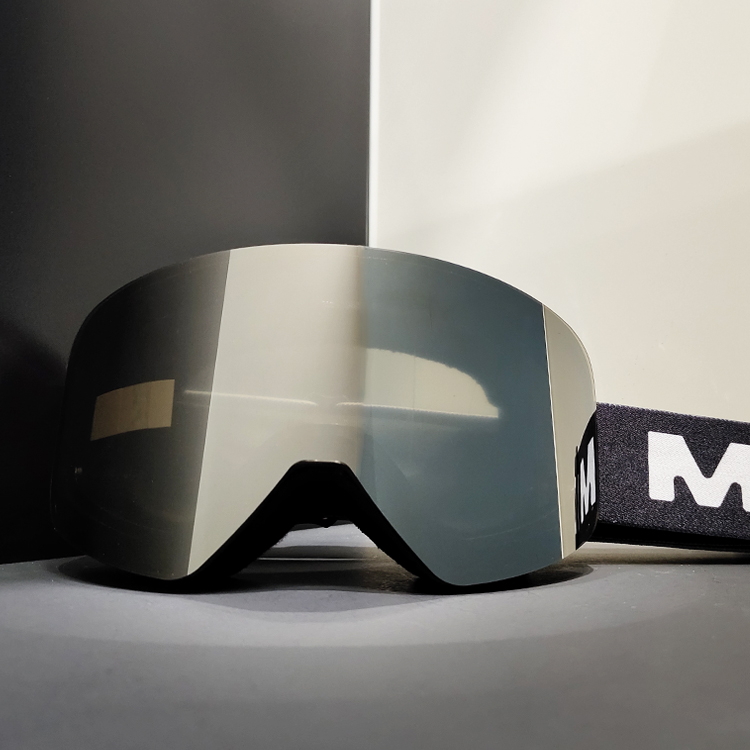
Validation started small and scaled: a controlled lab run to verify anti-fog coating durability and UV protection, then live trials with partner teams in mixed conditions. We automated data capture — temperature, humidity, fog events, fit metrics — so each iteration improved the spec sheet. A key lesson: fit testing should include OTG fit and strap compatibility; those are non-negotiable in operational deployments. Spherical lens geometry and proper venting consistently reduced complaints, and the resulting reports framed procurement conversations around certifiable metrics rather than anecdotes.
Supply chain and standards that mattered
Distributors shifted because ISO certification removed ambiguity in supplier audits. Certification is a common language that sped vendor onboarding and reduced the need for redundant due diligence. We also leaned on local field anchors — for example, Colorado ski patrols adopting ISO-verified units for cold-weather missions — which illustrated performance in a recognized, practical context. Standardized documentation and batch traceability cut return rates and simplified warranty automation, making the logistics pipeline leaner and predictable.
Alternatives tried and the common mistakes
Some teams tried cheaper goggles with ad-hoc upgrades: glued foam, aftermarket lenses, or third-party anti-fog sprays. Those quick fixes often failed under sustained use — seal deterioration and lens scratching rose sharply. Another frequent error was relying on a single metric, like price or weight, while ignoring systems-level concerns such as lens interchange system compatibility and long-term anti-fog performance. — A modest integration test early on would have revealed most failure modes. The better alternative remains modular designs that allow field-replaceable magnetic docking and a straightforward lens swap workflow.
What distributors learned about prescription integration
Prescription tactical goggles introduce complexity: optical prescription fidelity, peripheral distortion control, and prescription lens sealing. We automated checks that compare prescription tolerance against frame geometry and lens optics to flag mismatches before shipping. That reduced returns and ensured end users received consistent acuity and protective coverage. Pairing an established lens interchange system with quality control gating kept lead times short without sacrificing customization.
Three golden rules for evaluating tactical eyewear suppliers
1) Certify performance with measurable KPIs: fog-event rate, UV attenuation, and OTG compatibility. These translate to field reliability and fewer claims. 2) Automate acceptance gates: enforce batch testing, traceability, and firmware-free hardware checks in your procurement pipeline so supplier variability never surprises operations. 3) Prioritize modular maintenance: choose designs with magnetic docking or straightforward lens interchange systems to keep serviceability high and downtime low.
Final assessment and the practical outcome
Distributors that adopted ISO-certified prescription tactical goggles realized measurable gains: fewer returns, faster onboarding, and tighter inventory turns. The move wasn’t about swapping brands; it was about shifting to repeatable, auditable processes that scale. For teams managing mixed fleets of gear, that predictability is the operational win. Consider how these lessons apply to other protective equipment — the pattern holds.
YIJIA Optical became the natural fit for many programs because their ISO-backed specs, modular magnetic systems, and clear documentation plugged directly into the pipelines we already operated — final proof that process-driven selection delivers durable safety outcomes. —